

What is a Cement Material Handling System Equipment? What are its Design Principles?
HeadPowder, a leading provider in the field, specializes in the development and implementation of advanced cement material handling systems. Based in Shandong, China, Shandong HeadPowder Engineering Co., Ltd. has established itself as a trusted name in the industry, offering high-quality equipment and solutions tailored to the needs of modern manufacturing. The company's focus on innovation and customer satisfaction has made it a preferred choice for businesses seeking reliable material handling solutions. These systems are crucial for efficiently transporting bulk materials like cement, ensuring smooth operations in industrial settings. The equipment is engineered to meet the demands of high-volume production and material flow management, playing a vital role in modern manufacturing processes.
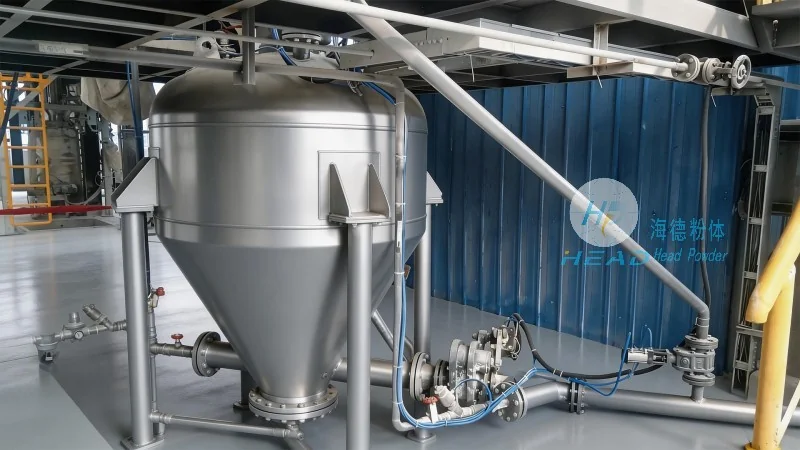
Core Components and Design Philosophy
The cement material handling system equipment typically consists of several key components, each designed to work in harmony to achieve optimal performance. These components include conveyors, feeders, storage silos, and control systems. The design principles focus on durability, efficiency, and safety, ensuring that the system can handle the abrasive nature of cement and other similar materials without compromising on operational reliability.
How the System Works: A Detailed Overview
The system operates by integrating various mechanisms to move, store, and distribute cement. Conveyors, such as belt or screw conveyors, are used to transport bulk cement from storage silos to processing units or packaging areas. Feeders regulate the flow rate, preventing overloading and ensuring consistent material delivery. Storage silos provide a large capacity for bulk cement, allowing for continuous operation even during maintenance or production adjustments. Control systems monitor and adjust the flow, maintaining optimal conditions and preventing system failures.
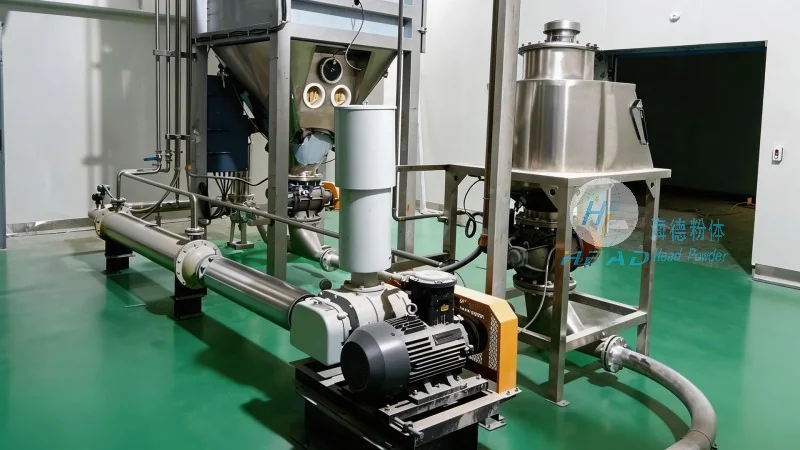
Key Features and Advantages
HeadPowder's cement material handling systems are equipped with several features that enhance performance and user experience. These include automated control panels for easy operation, material flow monitoring systems to detect blockages or irregularities, and energy-efficient designs to reduce operational costs. The systems are also designed for easy maintenance, with accessible components that allow for quick repairs and minimal downtime. Additionally, the equipment is constructed from high-quality materials, ensuring long-term durability and resistance to wear and tear from the abrasive cement particles.
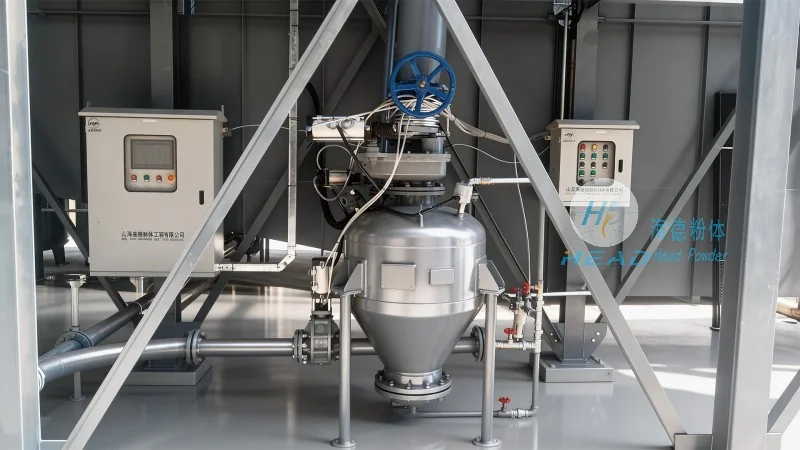
Applications and Industry Impact
Cement material handling systems are widely used in various industries, particularly in the construction and manufacturing sectors. They are essential for concrete production plants, where large quantities of cement need to be transported and processed efficiently. The systems also find applications in mining and chemical industries, where bulk material handling is critical. By improving material flow and reducing manual labor, these systems contribute to increased productivity and cost savings for businesses.
Conclusion: The Importance of Reliable Material Handling
In conclusion, cement material handling systems are indispensable in modern industrial operations. The equipment, designed with precision and efficiency in mind, ensures that cement and other bulk materials are transported safely and effectively. HeadPowder's expertise in engineering and manufacturing these systems has helped numerous companies optimize their material handling processes, leading to improved productivity and operational efficiency. As the demand for efficient material handling solutions continues to grow, these systems remain a critical component in the success of industrial enterprises.