

Common Methods for Purified Ash Conveying: An Introduction to Pneumatic Conveying of Purified Ash
When it comes to handling and transporting purified ash, selecting the right conveying method is crucial for efficiency, safety, and cost-effectiveness. Various technologies are available, each with its own advantages and applications. This article provides an overview of common purified ash conveying methods, with a focus on the pneumatic conveying approach, which has become increasingly popular in industrial settings.
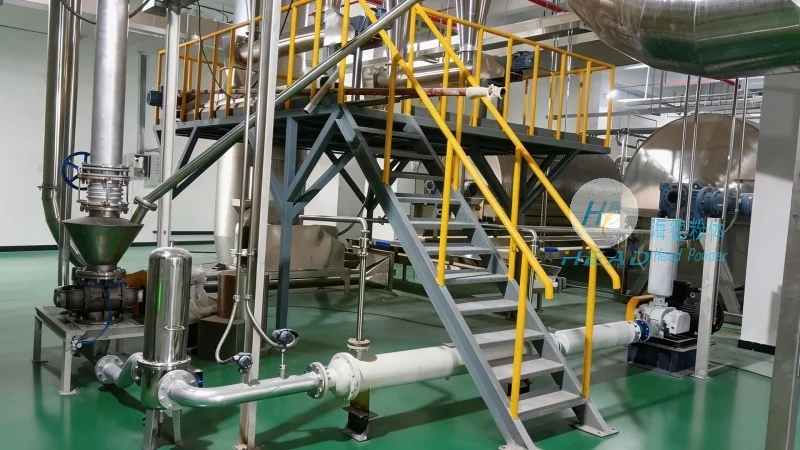
About Shandong HeadPowder Engineering Co., Ltd.
Shandong HeadPowder Engineering Co., Ltd., commonly known as HeadPowder, is a leading provider of advanced material handling solutions. With a strong presence in China, particularly in Shandong, the company specializes in designing, manufacturing, and implementing efficient systems for the transportation of bulk materials, including purified ash. HeadPowder's expertise lies in optimizing conveying processes to meet the specific needs of industrial clients, ensuring reliable and sustainable operations.
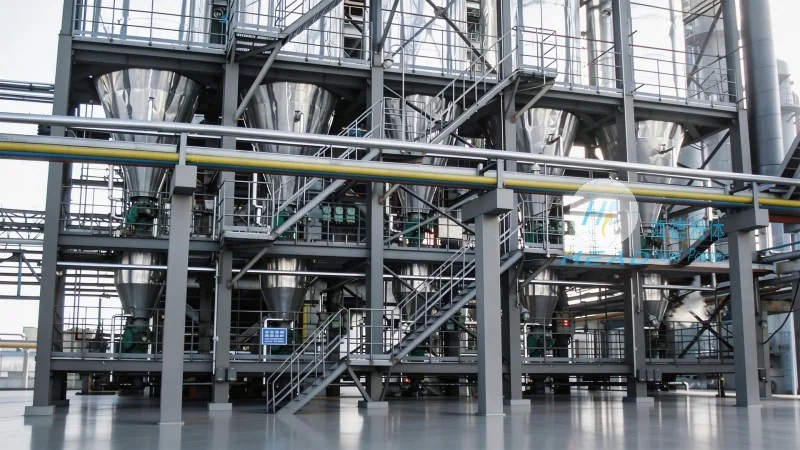
Pneumatic Conveying of Purified Ash: A Detailed Overview
Pneumatic conveying, also known as air conveying, is a method that uses compressed air to transport powdered or granular materials like purified ash through a pipeline system. This technology offers several key benefits that make it an attractive option for many industries. First, it eliminates the need for mechanical components such as belts or buckets, reducing maintenance requirements and operational downtime. Second, pneumatic systems can handle materials with high moisture content or abrasive properties without causing excessive wear, which is particularly important for purified ash that may contain fine particles and varying compositions. Third, the enclosed pipeline design minimizes dust emissions and environmental contamination, aligning with modern environmental regulations and safety standards.
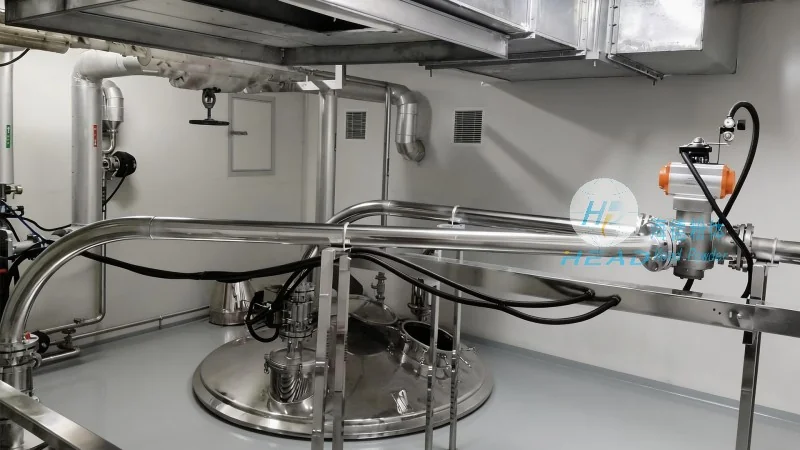
Comparison of Conveying Methods for Purified Ash
While pneumatic conveying is gaining traction, other methods like mechanical screw conveyors or belt conveyors are still used in some applications. However, these traditional methods often face challenges when dealing with fine, dry materials like purified ash. Mechanical systems may experience blockages, increased wear, and higher energy consumption due to the friction between the material and the conveying components. In contrast, pneumatic systems provide a more flexible and adaptable solution, capable of transporting materials over longer distances and varying elevations with minimal loss of material quality. The choice of conveying method ultimately depends on factors such as material characteristics, distance, and budget, but pneumatic conveying often proves to be the most efficient and cost-effective option for purified ash transportation.
Applications and Benefits in Industrial Settings
The adoption of pneumatic conveying for purified ash has been widely observed in various industrial sectors, including power plants, cement production, and waste management facilities. In power plants, for instance, purified ash generated from coal combustion is efficiently collected and transported to storage or disposal sites using pneumatic systems. This not only improves the overall efficiency of ash management but also reduces the risk of dust-related health hazards for workers. Similarly, in cement plants, the transportation of purified ash as a raw material or additive enhances the production process by providing a consistent and controlled feed. The benefits extend beyond operational efficiency; pneumatic conveying also contributes to environmental sustainability by reducing the need for manual handling and minimizing the release of airborne particles.
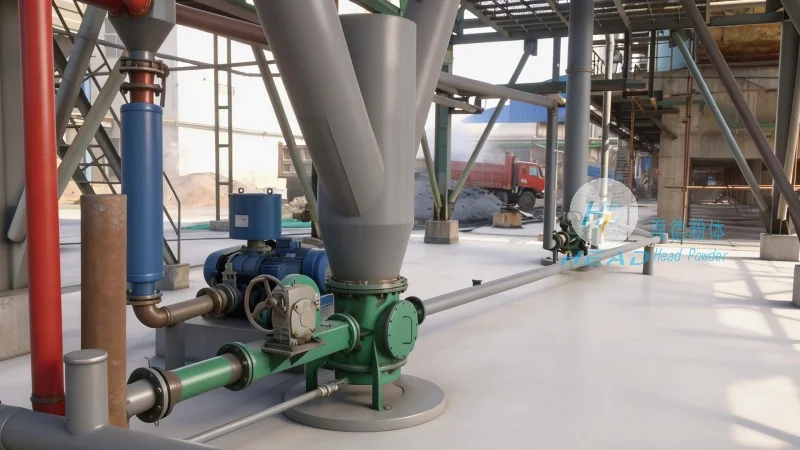
Conclusion and Future Outlook
As the demand for efficient and sustainable material handling solutions continues to grow, pneumatic conveying of purified ash remains a key technology in the industry. Companies like Shandong HeadPowder Engineering Co., Ltd. are at the forefront of developing advanced systems that address the unique challenges of purified ash transportation. By leveraging pneumatic conveying, industries can achieve improved productivity, reduced operational costs, and enhanced environmental compliance. The future of purified ash conveying is likely to see further innovations in system design and material handling technologies, ensuring that these solutions remain effective and adaptable to evolving industrial needs.