

Common Asbestos Powder Conveying Methods: An Introduction to Asbestos Powder Pneumatic Conveying
Asbestos powder, due to its fine particle size and potential health hazards, requires specialized handling and conveying methods to ensure safety and efficiency in industrial applications. The choice of conveying system is critical in preventing dust dispersion and maintaining operational integrity. This article explores common methods for asbestos powder transport, with a focus on the advantages of pneumatic conveying systems.
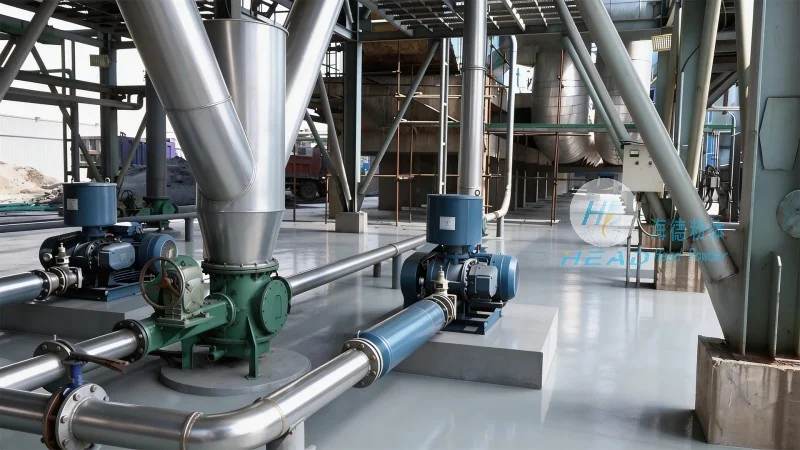
Overview of Asbestos Powder Conveying Challenges
Handling asbestos powder presents unique challenges compared to other bulk materials. The fine particles can easily become airborne, leading to respiratory risks and environmental contamination. Additionally, the material's abrasive nature may cause wear on equipment, requiring robust and reliable conveying solutions. Proper selection of the conveying method is essential to mitigate these risks while ensuring smooth material transfer from storage to processing or packaging stages.
Common Asbestos Powder Conveying Methods
Several approaches are employed in industrial settings to transport asbestos powder. These include mechanical methods such as screw conveyors, belt conveyors, and bucket elevators, as well as pneumatic systems. Each method has its own set of advantages and limitations, making the selection dependent on factors like material properties, plant layout, and operational requirements.
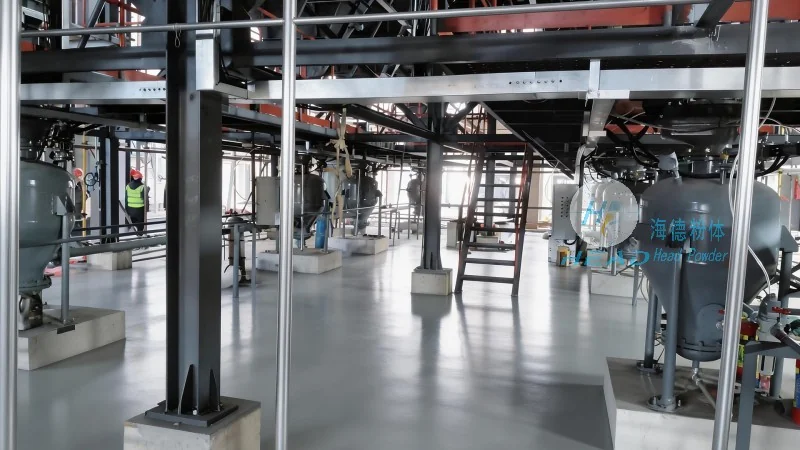
Pneumatic Conveying: The Preferred Solution for Asbestos Powder
Pneumatic conveying stands out as the most effective method for asbestos powder transport due to its ability to handle fine, abrasive materials while maintaining containment and safety. This system uses air pressure to move material through a pipeline, eliminating the need for mechanical components that could cause wear or contamination. The closed-loop design of pneumatic systems prevents dust from escaping into the environment, reducing health risks and regulatory compliance burdens. As a leading provider of specialized conveying solutions, Shandong HeadPowder Engineering Co., Ltd. (headpowder) has developed advanced pneumatic systems tailored to the unique challenges of asbestos powder handling.
Key Components of Asbestos Powder Pneumatic Conveying Systems
The efficiency of a pneumatic conveying system for asbestos powder depends on several key components. These include the air compressor, which provides the necessary pressure to move material; the hopper or feeder, which controls the flow of powder into the system; and the pipeline network, which transports the material to the destination. Additionally, features such as cyclone separators and filters are critical for separating air from the powder and ensuring that the material is delivered in a clean and controlled manner.
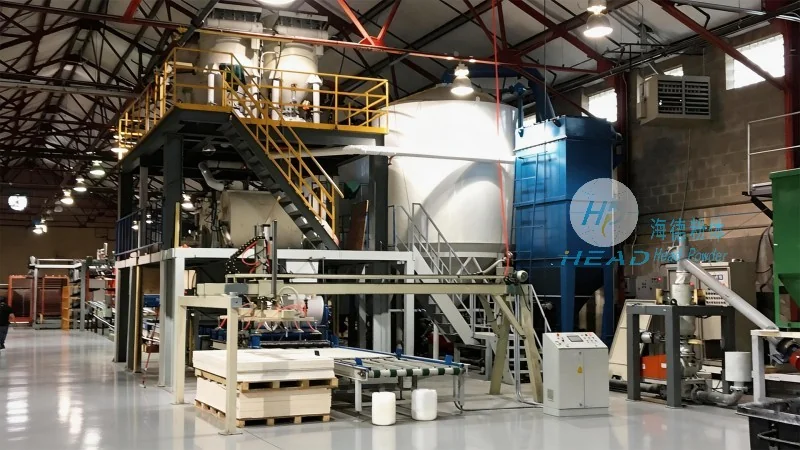
Advantages of Pneumatic Conveying for Asbestos Powder
Compared to mechanical conveying methods, pneumatic systems offer several advantages for asbestos powder handling. These include higher material throughput, reduced equipment wear, and improved safety through enclosed transport. The ability to handle long-distance transport without the need for multiple transfer points also enhances operational efficiency. Furthermore, pneumatic conveying systems can be easily integrated with other processing equipment, allowing for seamless material flow from storage to end-use applications.
Applications of Asbestos Powder Pneumatic Conveying
Pneumatic conveying systems are widely used in various industries that handle asbestos powder, including construction, manufacturing, and recycling. In construction, these systems are employed to transport asbestos from storage silos to mixing or application equipment. In manufacturing, they facilitate the transfer of asbestos into processing lines for product production. The versatility of pneumatic systems makes them suitable for both small-scale and large-scale operations, adapting to different production volumes and plant layouts.