

Common Sodium Chlorate Conveying Methods: An Introduction to Sodium Chlorate Pneumatic Conveying
Sodium chlorate is a widely used chemical in various industrial applications, and efficient transportation of this material is crucial for maintaining production efficiency and safety. As a key component in processes such as bleaching, water treatment, and chemical synthesis, the proper selection of a conveying method for sodium chlorate is essential to ensure smooth operation and minimize risks. This article provides an overview of common sodium chlorate conveying methods, with a focus on the advantages and applications of pneumatic conveying systems.
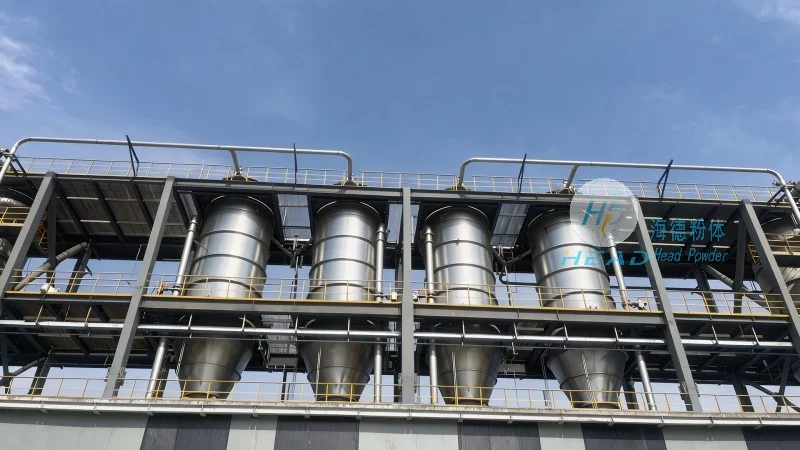
Pneumatic Conveying: A Key Method for Sodium Chlorate Transport
Pneumatic conveying is a popular and effective method for transporting sodium chlorate, especially in applications where dust control and flexibility are required. This technology uses compressed air to move the material through a pipeline system, eliminating the need for mechanical components like belts or buckets. The process involves creating a low-pressure or high-pressure air stream that propels the sodium chlorate particles through the pipeline, allowing for precise control over the flow rate and direction. One of the primary advantages of pneumatic conveying is its ability to handle fine powders and prevent product contamination, which is critical for sodium chlorate due to its reactivity and potential health hazards. The system typically includes components such as a hopper, a rotary airlock valve, a conveying line, and a receiver, ensuring a continuous and reliable flow of material. Pneumatic conveying is particularly suitable for applications where the material needs to be transported over long distances or through complex layouts, as the pipeline can be easily routed to accommodate different production setups.
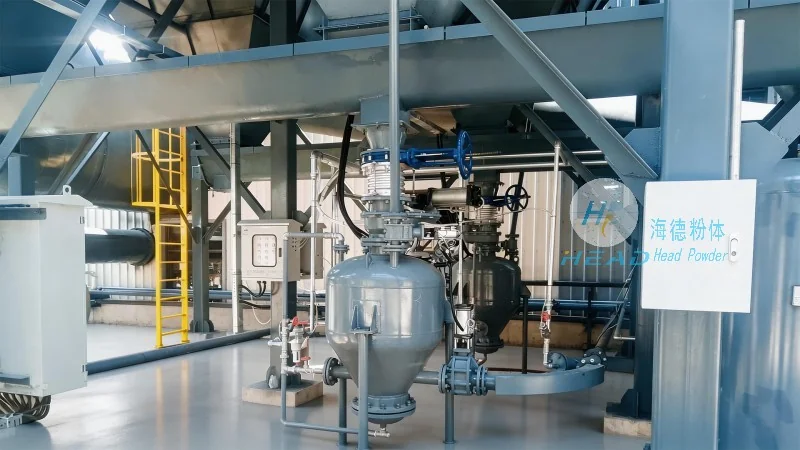
Factors to Consider When Choosing a Conveying System for Sodium Chlorate
When selecting a conveying system for sodium chlorate, several factors must be taken into account to ensure optimal performance and safety. The first consideration is the particle size and moisture content of the material, as these characteristics can affect the flowability and dust generation. Sodium chlorate often comes in fine powder form, which makes it prone to static electricity and dust explosion risks. Therefore, the conveying system must be designed with explosion-proof features and proper grounding to mitigate these hazards. Another critical factor is the distance and layout of the transport route, as different conveying methods have varying capabilities in terms of distance and complexity. For short distances, mechanical systems like screw conveyors may be sufficient, but for longer distances or complex routes, pneumatic conveying is often the preferred choice. Additionally, the scale of production and the required throughput rate are important considerations, as larger production facilities may need higher-capacity conveying systems to meet their operational demands. The cost of installation, maintenance, and energy consumption should also be evaluated, as these factors can significantly impact the overall operational efficiency and profitability of the system.
Applications of Sodium Chlorate Conveying Systems
Sodium chlorate conveying systems are widely used in various industries, including paper manufacturing, water treatment, and chemical production. In the paper industry, sodium chlorate is used as a bleaching agent, and the conveying system must be able to handle the material without causing contamination or degradation. The system should be designed to maintain the purity of the sodium chlorate, as any impurities can affect the quality of the final product. In water treatment, sodium chlorate is used as a disinfectant, and the conveying system must ensure that the material is delivered to the treatment plant in a controlled manner. This is crucial for maintaining the effectiveness of the disinfection process and preventing any adverse effects on the water quality. In chemical production, sodium chlorate is used as an oxidizing agent, and the conveying system must be able to handle the material safely and efficiently. The system should be equipped with safety features such as pressure relief valves and emergency shut-off mechanisms to prevent accidents and ensure the well-being of the personnel operating the system.
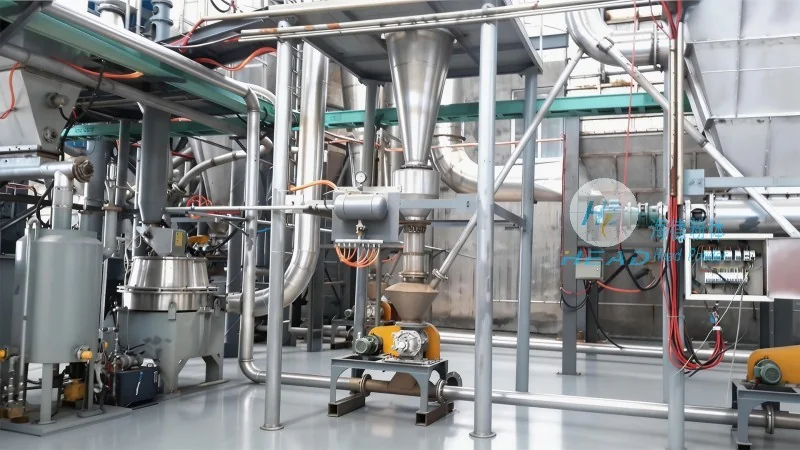
Conclusion: Selecting the Right Conveying Method for Sodium Chlorate
Choosing the appropriate conveying method for sodium chlorate is a critical decision that can significantly impact the efficiency, safety, and profitability of industrial operations. Pneumatic conveying, with its ability to handle fine powders and provide flexible routing, is often the preferred choice for many applications. However, the selection should be based on a thorough evaluation of the material characteristics, transport requirements, and operational constraints. By considering factors such as particle size, moisture content, distance, and production scale, industrial facilities can select a conveying system that meets their specific needs while ensuring compliance with safety regulations. As a leading provider of engineering solutions for chemical processing, Shandong HeadPowder Engineering Co., Ltd. specializes in designing and manufacturing customized conveying systems tailored to the unique requirements of sodium chlorate applications. With a focus on safety, efficiency, and reliability, the company offers comprehensive solutions that enhance the performance of industrial processes and contribute to the overall success of their clients.