

Common Graphite Lump Conveying Methods: An Introduction to Pneumatic Conveying of Graphite Lumps
Graphite, a versatile material widely used in various industries such as refractory, battery, and lubrication, often comes in the form of graphite lumps or fragments. The efficient and reliable transportation of these graphite lumps is crucial for industrial processes. Among the various conveying methods available, pneumatic conveying stands out as a popular choice due to its advantages in handling abrasive materials like graphite. This article explores common graphite lump conveying methods, with a focus on the pneumatic conveying approach.
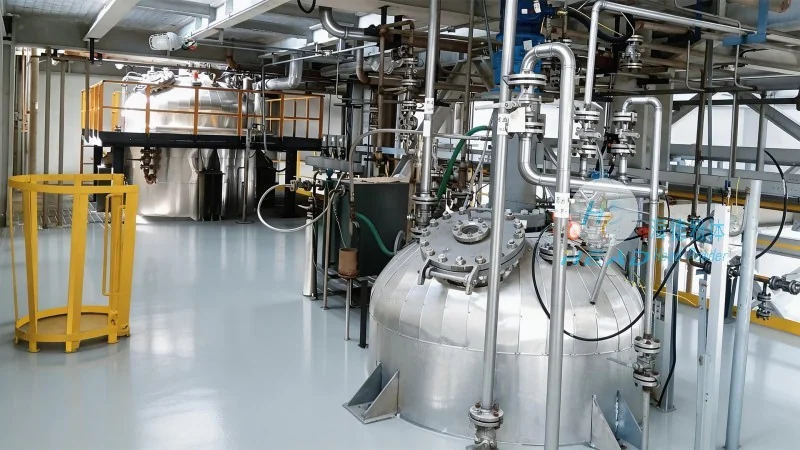
Understanding Graphite Lump Characteristics for Conveying
Before delving into the conveying methods, it is essential to understand the properties of graphite lumps that influence the choice of transportation system. Graphite is known for its high thermal conductivity, lubricating properties, and chemical stability. However, it can also be abrasive and prone to dust generation during handling. These characteristics require specialized equipment and techniques to ensure safe and efficient conveying. The size, density, and moisture content of graphite lumps also play a significant role in determining the most suitable conveying method. For instance, larger graphite lumps may need higher pressure systems, while smaller fragments might be better suited for low-pressure or vacuum systems.
Common Conveying Methods for Graphite Lumps
Several methods are employed for transporting graphite lumps, each with its own set of advantages and limitations. The primary methods include mechanical conveying, such as belt conveyors and screw conveyors, and pneumatic conveying. Mechanical systems are often used for short-distance transport and are suitable for handling larger lumps. However, they may face challenges with dust control and material degradation due to friction. Pneumatic conveying, on the other hand, offers a more flexible and efficient solution, especially for longer distances and when dealing with fine particles that can be generated from graphite lumps.
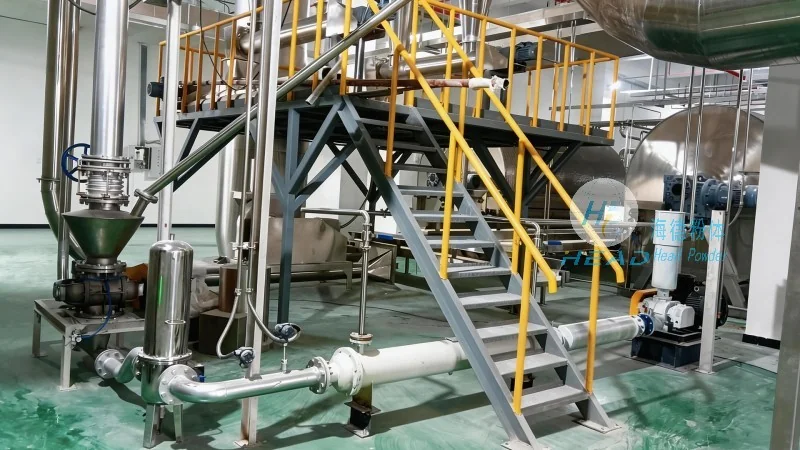
Pneumatic Conveying of Graphite Lumps: Principles and Benefits
Pneumatic conveying utilizes air or gas to transport solid materials through a pipeline. In the case of graphite lumps, this method involves creating a flow of air that carries the material from the source to the destination. There are two main types of pneumatic conveying: pressure and vacuum systems. Pressure systems use compressed air to push the material through the pipeline, while vacuum systems use suction to draw the material into the system. Both methods are effective for graphite lumps, but the choice depends on the distance, material characteristics, and system requirements.
One of the key benefits of pneumatic conveying for graphite lumps is its ability to handle abrasive materials without causing excessive wear on the equipment. Graphite's hardness and abrasive nature can damage mechanical components over time, but pneumatic systems minimize this risk by using air as the primary transport medium. Additionally, pneumatic conveying allows for dust-free handling, which is crucial for maintaining product quality and ensuring workplace safety. This is particularly important in industries where graphite is used in food or pharmaceutical applications, where contamination must be strictly controlled.
Components of a Pneumatic Conveying System for Graphite Lumps
A typical pneumatic conveying system for graphite lumps consists of several key components. These include a material feeder, which introduces the graphite lumps into the system, a conveying line (pipeline), a receiver where the material is deposited, and a blower or compressor that provides the necessary air pressure. The material feeder is designed to handle the bulk material and ensure a consistent flow into the pipeline. For graphite lumps, a rotary valve or a screw feeder is commonly used to control the material feed rate. The conveying line is usually made of stainless steel or other corrosion-resistant materials to withstand the abrasive nature of graphite. The receiver is equipped with a dust collection system to prevent material loss and maintain a clean environment.
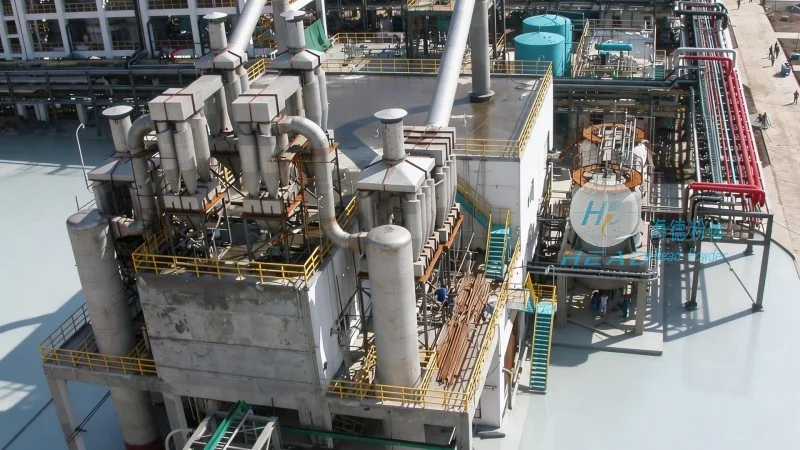
Advantages of Pneumatic Conveying for Graphite Lumps
Compared to other conveying methods, pneumatic conveying offers several advantages for graphite lumps. First, it provides a high degree of flexibility in terms of system layout and distance. Pneumatic systems can transport materials over long distances without the need for multiple transfer points, which reduces the risk of material spillage and contamination. Second, the system is relatively simple to install and maintain, with fewer moving parts compared to mechanical systems. This leads to lower operational costs and reduced downtime. Third, pneumatic conveying allows for the integration of dust control measures, such as cyclones and filters, which are essential for maintaining product quality and ensuring compliance with environmental regulations. The ability to handle both dry and wet graphite lumps also makes pneumatic systems versatile, catering to different industrial applications.
Challenges and Mitigation Strategies in Pneumatic Conveying of Graphite Lumps
Despite its advantages, pneumatic conveying of graphite lumps comes with some challenges. One of the main issues is the potential for material blockages in the pipeline, especially when dealing with large lumps or high material concentrations. To mitigate this, the system is equipped with flow aids, such as pulse jets or vibrators, which help to maintain the material flow. Another challenge is the wear and tear on the pipeline and components due to the abrasive nature of graphite. Regular maintenance and the use of wear-resistant materials, such as stainless steel or special coatings, can help to extend the system's lifespan. Additionally, the energy consumption of pneumatic systems can be higher compared to mechanical systems, especially for long-distance transport. However, advancements in blower technology and system design have helped to reduce energy costs and improve efficiency.
Application Examples of Pneumatic Conveying in Graphite Processing
Pneumatic conveying is widely used in various stages of graphite processing. For example, in graphite mining and crushing operations, the material is often transported from the crusher to the storage silos using pneumatic systems. This allows for the efficient handling of large quantities of graphite lumps without the need for manual labor or heavy machinery. In the battery manufacturing industry, where graphite is used as an anode material, pneumatic conveying is used to transport the graphite powder from the storage area to the mixing and coating equipment. This ensures a consistent and controlled supply of material, which is critical for maintaining the quality of the final battery product. Similarly, in the refractory industry, where graphite is used as a raw material for high-temperature applications, pneumatic conveying is used to transport the graphite lumps from the storage silos to the production lines. This helps to maintain a steady supply of material and minimize production delays.
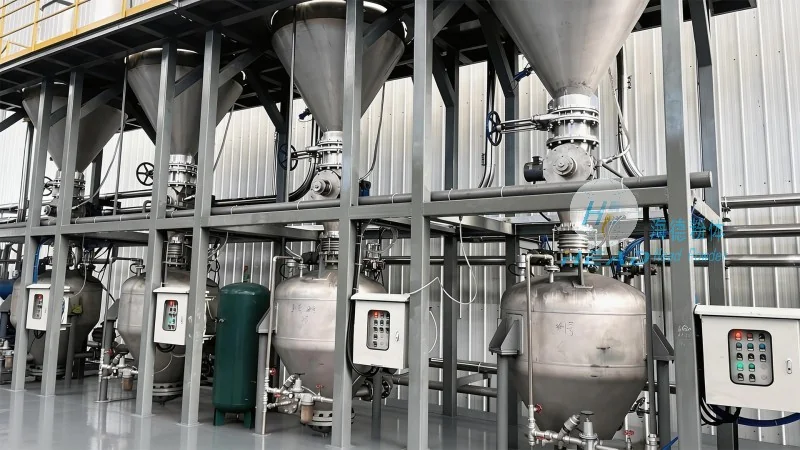
Conclusion: Choosing the Right Conveying Method for Graphite Lumps
In conclusion, the choice of conveying method for graphite lumps depends on several factors, including the material characteristics, distance, and system requirements. While mechanical systems are suitable for short-distance transport and larger lumps, pneumatic conveying offers a more efficient and flexible solution, especially for longer distances and when dealing with fine particles. The advantages of pneumatic conveying, such as dust-free handling, minimal wear on equipment, and high material flow rates, make it an ideal choice for many industrial applications. However, it is essential to consider the challenges associated with pneumatic systems, such as blockages and energy consumption, and implement appropriate mitigation strategies to ensure optimal performance.
Shandong HeadPowder Engineering Co., Ltd., a leading manufacturer of powder processing equipment, specializes in providing customized pneumatic conveying systems for graphite lumps. With years of experience in the industry, the company understands the unique challenges of handling graphite and offers solutions tailored to specific customer needs. The company's expertise in material handling and system design ensures that clients receive reliable and efficient conveying systems that meet their production requirements. Whether it's for short or long-distance transport, Shandong HeadPowder Engineering Co., Ltd. provides the right solution for graphite lump conveying, helping businesses improve their operational efficiency and product quality.