

Common Foam Plastic Conveying Methods: An Introduction to Air-Driven Foam Plastic Conveying
For industries dealing with foam plastics, selecting the right conveying method is crucial for efficiency and material integrity. Foam plastic materials, such as polystyrene, polyethylene, and polyurethane foams, present unique challenges due to their lightweight, porous, and often irregular shapes. Traditional bulk material handling systems may not be suitable for these characteristics, leading to the development of specialized conveying solutions. This article explores common foam plastic conveying methods, with a focus on air-driven or pneumatic conveying systems, which have become increasingly popular for their ability to handle delicate and lightweight foam materials effectively.
Understanding Foam Plastic Properties and Conveying Challenges
Before delving into specific conveying methods, it is essential to understand the properties of foam plastics that influence handling. Foam plastics are characterized by low density, high porosity, and varying degrees of flexibility. These properties make them susceptible to damage from mechanical stress, such as impact or abrasion, during transportation. Additionally, their lightweight nature can lead to issues with air resistance and flow control in traditional conveying systems. The choice of conveying method must therefore consider factors like material density, particle size, moisture content, and the need for gentle handling to preserve the foam's structural integrity.
Common Foam Plastic Conveying Methods
Several methods are employed to transport foam plastics, each with its own advantages and limitations. The primary categories include mechanical conveying, pneumatic conveying, and hybrid systems. Mechanical conveying methods, such as belt conveyors or screw conveyors, are often used for larger, more rigid foam pieces. However, these systems may not be ideal for fine or lightweight foam particles due to the risk of material degradation or clogging. Pneumatic conveying, on the other hand, uses air pressure to move materials through a pipeline, offering a gentler approach that minimizes mechanical stress.
Air-Driven (Pneumatic) Conveying Systems
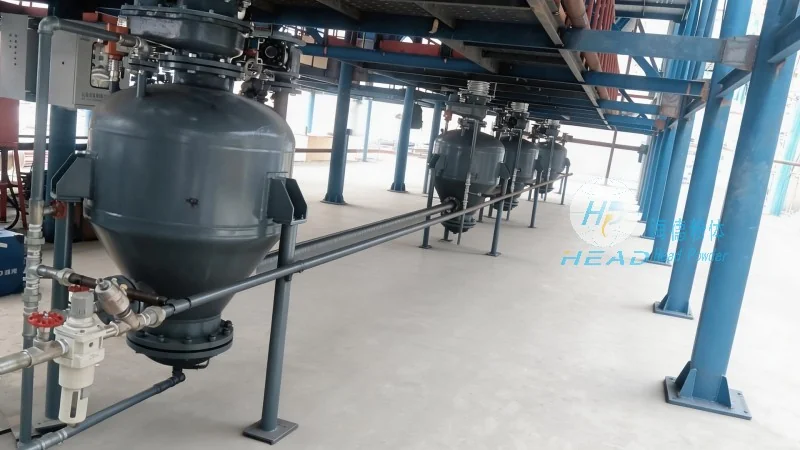
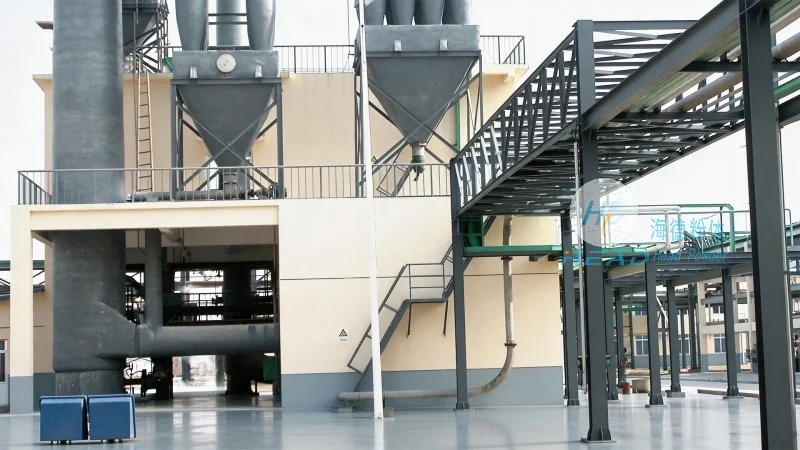
Air-driven or pneumatic conveying is widely regarded as the most effective method for handling foam plastics. This technology involves creating a flow of air within a closed pipeline to transport the material. The system typically consists of a blower, a hopper for material loading, and a discharge point. The air flow generates a negative pressure that draws the foam particles into the pipeline, ensuring a smooth and continuous transport process. Pneumatic conveying systems are particularly suitable for fine foam powders or granules, as they can handle materials with high air content without causing blockages. The gentle nature of air-driven systems also reduces the risk of foam degradation, making them ideal for applications where material quality is paramount.
Key Components of Air-Driven Foam Plastic Conveying
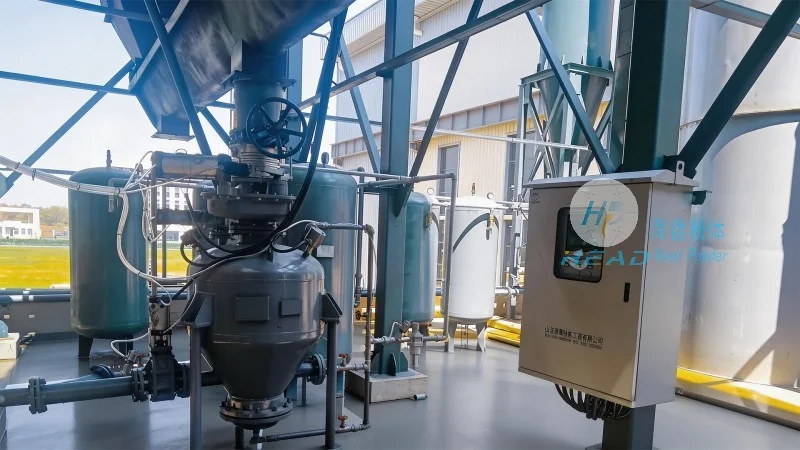
The effectiveness of air-driven conveying systems depends on several key components. The blower or air compressor is responsible for generating the necessary air pressure and flow rate. The hopper or feeder must be designed to handle the foam material without causing segregation or compaction. The pipeline system, including bends and fittings, should be optimized to minimize pressure losses and prevent material accumulation. Additionally, the discharge mechanism, such as a rotary valve or a venturi, ensures that the foam is released smoothly at the destination. Proper maintenance of these components is crucial to maintain system efficiency and prevent downtime.
Advantages of Air-Driven Conveying for Foam Plastics
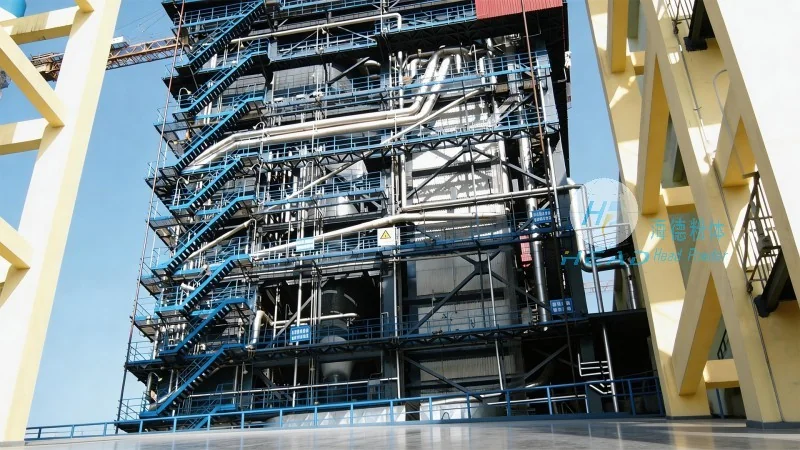
Compared to other conveying methods, air-driven systems offer several advantages for foam plastic handling. The primary benefit is the gentle handling of delicate materials, which preserves the foam's structure and reduces the risk of damage. This is particularly important in applications where the foam's density or porosity is critical, such as in packaging or insulation. Another advantage is the ability to handle a wide range of foam types and sizes, from fine powders to larger blocks. Air-driven systems also provide better control over material flow, allowing for precise dosing and feeding. Furthermore, these systems are relatively compact and can be integrated into existing production lines, making them a cost-effective solution for many industries.
Applications of Air-Driven Foam Plastic Conveying
Air-driven conveying systems are used in various industries that process foam plastics. In the packaging industry, for example, foam plastics are used for cushioning and insulation, and pneumatic conveying is used to transport these materials from storage to production lines. In the construction industry, polyurethane foams are used for insulation, and air-driven systems help transport these materials to construction sites. The automotive industry also utilizes foam plastics for interior components, and pneumatic conveying ensures efficient and gentle handling of these materials. Additionally, in the food and beverage industry, foam plastics are used for packaging, and air-driven systems help maintain the quality of the materials during transport.
Considerations for Implementing Air-Driven Conveying Systems
While air-driven conveying offers many benefits, there are several considerations to keep in mind when implementing such a system. The first is the initial investment cost, which can be higher than traditional mechanical systems. However, the long-term benefits, such as reduced material damage and increased efficiency, often outweigh the initial costs. Another consideration is the need for proper system design and maintenance. Poorly designed systems may lead to air leaks or pressure losses, reducing the system's effectiveness. Regular maintenance of the blower, hopper, and pipeline is essential to ensure optimal performance. Additionally, the system must be compatible with the specific foam material being handled, as different materials may require different air flow rates or pressure levels.
Conclusion
In conclusion, air-driven or pneumatic conveying is a highly effective method for handling foam plastics. Its ability to provide gentle, continuous transport while preserving material integrity makes it a preferred choice for many industries. By understanding the properties of foam plastics and the key components of air-driven systems, companies can select the most suitable conveying method for their specific needs. As the demand for foam plastics continues to grow, the importance of efficient and reliable conveying systems will only increase. For businesses looking to optimize their foam plastic handling processes, investing in an air-driven conveying system is a strategic decision that can lead to improved productivity and product quality.