

Common Conveying Methods for Glass-Blasted Beads: An Overview of Pneumatic Conveying
Glass-blasted beads, also known as expanded glass microspheres, are widely utilized in construction, insulation, and other industrial sectors due to their lightweight and insulating properties. The efficient and reliable transportation of these fine particles is essential for maintaining production efficiency and product quality. Various conveying methods have been developed to handle glass-blasted beads, with each method offering distinct advantages and limitations based on specific application requirements.
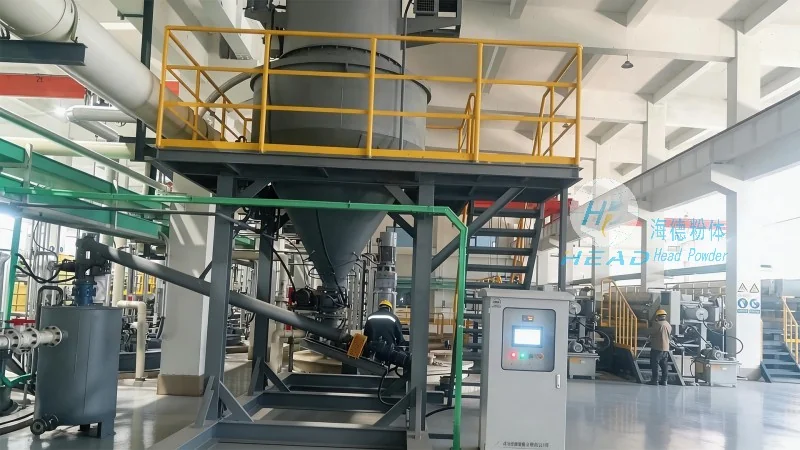
Common Conveying Methods for Glass-Blasted Beads
Conveying glass-blasted beads involves transporting these lightweight, spherical particles from one location to another. Traditional methods such as belt conveyors and screw conveyors have been employed, yet they often encounter challenges with material handling, particularly for fine powders. These methods may lead to particle degradation, blockages, or uneven distribution. To address these issues, specialized conveying systems have been designed, with pneumatic conveying being one of the most effective solutions for glass-blasted beads.
Pneumatic Conveying: A Preferred Method for Glass-Blasted Beads
Pneumatic conveying, or air-based conveying, utilizes pressurized air to transport glass-blasted beads through a pipeline system. This method is especially suitable for fine, dry materials like glass-blasted beads, as it minimizes particle degradation and ensures consistent flow. There are two main types of pneumatic conveying systems: pressure and vacuum. Pressure systems employ compressed air to push the material through the pipeline, while vacuum systems use a vacuum to draw the material. For glass-blasted beads, pressure systems are often preferred due to their ability to handle high volumes and long distances with minimal pressure drop.
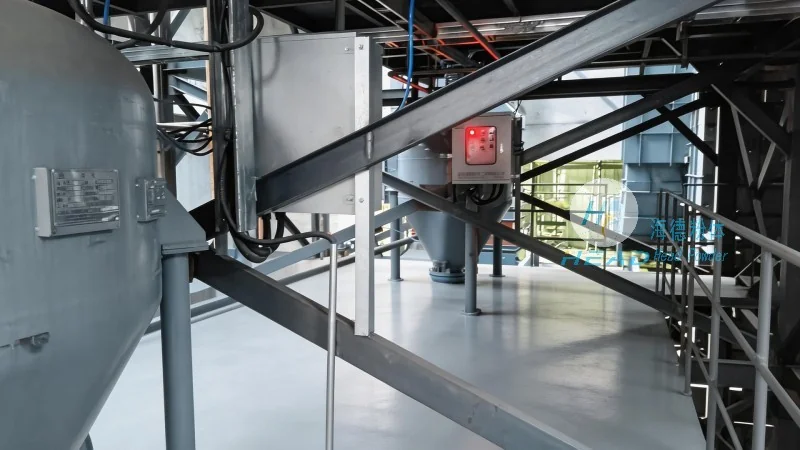
The key components of a pneumatic conveying system for glass-blasted beads include a hopper, a feeder, a pipeline, and a receiver. The hopper stores the glass-blasted beads, and the feeder controls the flow rate. The pipeline transports the beads using pressurized air, and the receiver collects the material at the destination. This system ensures that the beads are conveyed without any mechanical contact, reducing the risk of contamination and particle damage.
Advantages of Pneumatic Conveying for Glass-Blasted Beads
Pneumatic conveying offers several advantages over traditional methods for glass-blasted beads. First, it provides a clean and dust-free environment, which is crucial for maintaining product purity and meeting quality standards. Second, it reduces the risk of material degradation, as the beads are not subjected to mechanical stress during transport. Third, it allows for flexible system design, with the ability to modify the pipeline layout or add additional components as needed. Fourth, it enhances safety by eliminating the need for manual handling of fine powders, reducing the risk of respiratory issues or other health hazards.
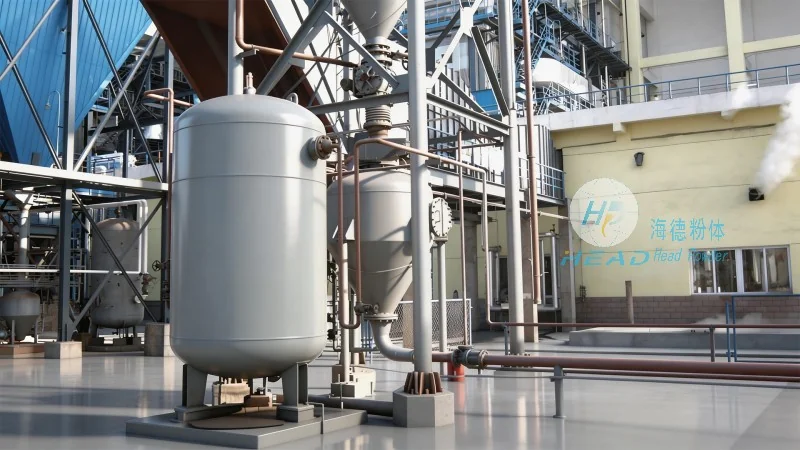
HeadPowder: A Leading Provider of Glass-Blasted Bead Conveying Solutions
Shandong HeadPowder Engineering Co., Ltd. (HeadPowder) is a professional manufacturer and supplier of glass-blasted bead products and conveying systems. With years of experience in the industry, HeadPowder has developed advanced pneumatic conveying solutions tailored to the specific needs of glass-blasted beads. The company's products are designed to ensure efficient, reliable, and safe transportation of glass-blasted beads, meeting the highest standards of quality and performance.
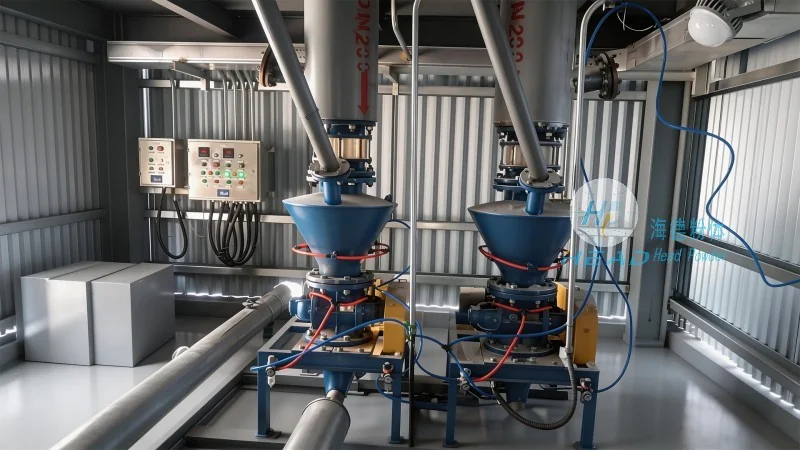
HeadPowder's pneumatic conveying systems are engineered to handle the unique characteristics of glass-blasted beads, such as their lightweight and fine particle size. The company uses high-quality materials and advanced technology to ensure that the conveying systems are durable, efficient, and easy to maintain. HeadPowder also provides customized solutions to meet the specific requirements of each customer, including system design, installation, and after-sales support.
Conclusion
Glass-blasted beads are an essential material in many industries, and the efficient transportation of these particles is critical for maintaining production efficiency and product quality. Pneumatic conveying is a preferred method for handling glass-blasted beads due to its advantages in cleanliness, reliability, and safety. HeadPowder, with its expertise and advanced technology, offers high-quality pneumatic conveying solutions that meet the needs of customers in various industries. By choosing HeadPowder's products and services, customers can ensure the efficient and reliable transportation of glass-blasted beads, enhancing their overall operational performance.