

Working Principle and Features of Clay Pneumatic Conveying Systems
Clay pneumatic conveying systems are essential equipment in material handling and processing industries, particularly for transporting clay and similar fine-grained materials. Understanding the working principle and key features of such systems is crucial for optimizing operational efficiency and ensuring reliable material transport. This article provides an in-depth overview of the working principle and characteristics of clay pneumatic conveying lines, with a focus on the technical aspects and practical applications. The systems are manufactured by Shandong HeadPowder Engineering Co., Ltd., a leading provider of material handling solutions in China.
Introduction to Clay Pneumatic Conveying Systems
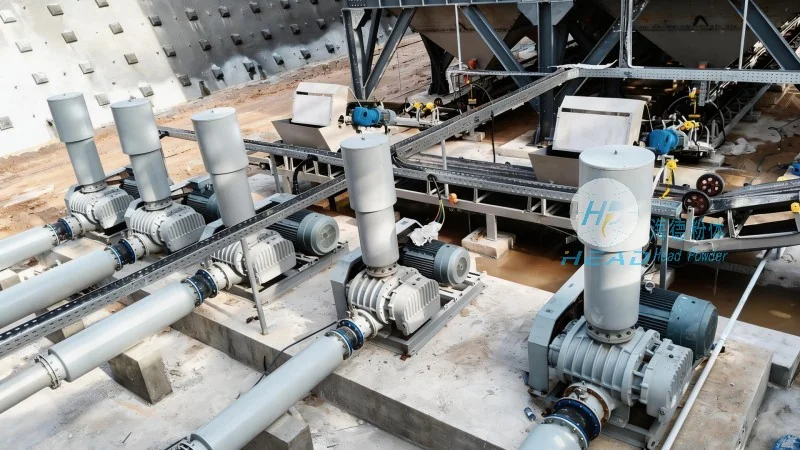
Clay pneumatic conveying systems utilize air pressure to transport clay and other fine materials from one location to another. These systems are widely used in industries such as ceramics, construction, and chemical processing due to their ability to handle delicate and abrasive materials without causing damage. The core components of a typical clay pneumatic conveying system include a material hopper, a conveying pipeline, a blower or compressor, and a receiver for the transported material. The system operates by creating a negative pressure or positive pressure environment within the pipeline to move the material through the system.
Working Principle of Clay Pneumatic Conveying Lines
The working principle of clay pneumatic conveying lines involves the use of air to create a flow that carries the clay particles through the pipeline. The process typically starts with the clay being fed into a material hopper, where it is stored and prepared for transport. A rotary valve or feeder then meters the clay into the conveying pipeline. Simultaneously, a blower or compressor generates the necessary air pressure to move the material. The air and clay mixture travels through the pipeline, with the air providing the kinetic energy to transport the clay particles. The system may include various components such as filters, cyclones, and separators to ensure the material is conveyed efficiently and without clogging. The receiver at the end of the pipeline collects the clay, which is then discharged for further processing.
Key Features of Clay Pneumatic Conveying Systems
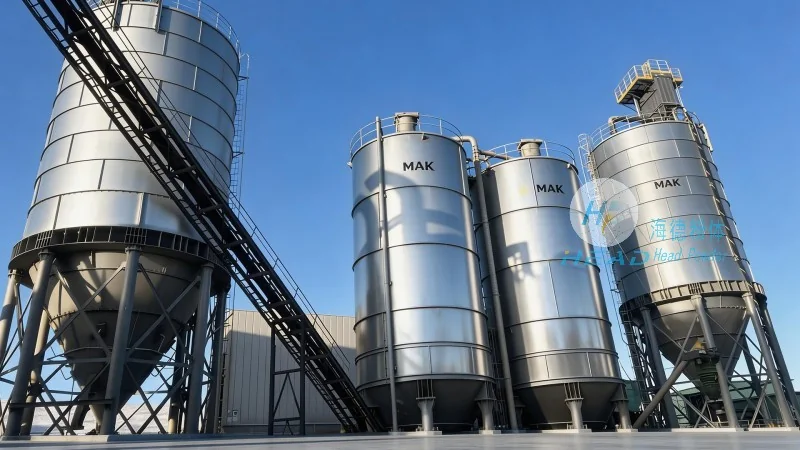
Clay pneumatic conveying systems offer several advantages that make them ideal for handling clay and similar materials. One of the primary features is the ability to transport materials over long distances without the need for intermediate storage or handling. This reduces the risk of material degradation and contamination, which is critical for high-quality clay used in ceramics and other applications. Another key feature is the low maintenance requirements compared to traditional mechanical conveying systems. The absence of moving parts in the pipeline minimizes wear and tear, leading to lower operational costs and longer system life. Additionally, these systems are highly flexible, allowing for easy integration with existing production lines and modifications to accommodate different material types or processing requirements.
Technical Considerations for Optimal Performance
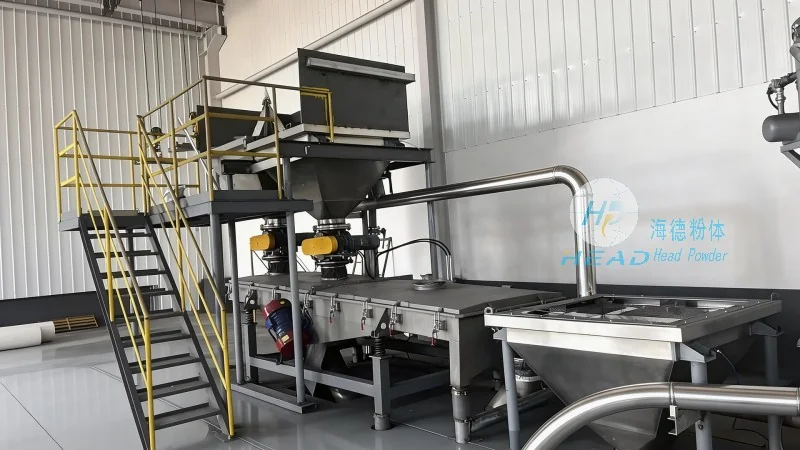
To ensure optimal performance of clay pneumatic conveying systems, several technical considerations must be addressed. The air velocity within the pipeline is a critical factor, as it must be sufficient to prevent material settling or clogging but not so high as to cause excessive wear on the pipeline or equipment. The system design must also account for the specific properties of the clay, such as particle size, moisture content, and density, to determine the appropriate air flow rate and pressure. Proper filtration and separation systems are essential to maintain the quality of the conveyed material and protect the blower or compressor from damage caused by fine particles. Regular maintenance, including cleaning of filters and checking for air leaks, is necessary to prevent system inefficiencies and ensure consistent performance.
Applications and Industry Impact
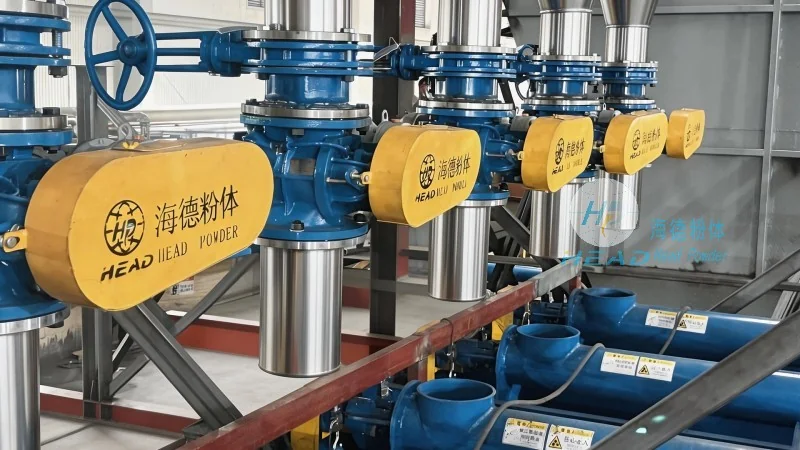
Clay pneumatic conveying systems are widely used in various industries where fine materials need to be transported efficiently and reliably. In the ceramics industry, these systems are used to transport raw clay from storage to processing facilities, ensuring a consistent supply of material for production. In construction, they are employed to transport clay for brick and tile manufacturing, improving production efficiency and reducing labor costs. The chemical processing industry also benefits from these systems, as they can handle clay mixed with other chemicals without causing contamination or damage to the equipment. The ability to transport materials in a closed system further enhances safety by preventing dust emissions and protecting workers from exposure to fine particles.
Conclusion
In conclusion, clay pneumatic conveying systems are a vital component in the material handling and processing industries, offering efficient and reliable transport of clay and similar fine materials. The working principle, which relies on air pressure to move material through a pipeline, combined with key features such as low maintenance, flexibility, and long-distance transport capabilities, makes these systems an attractive choice for various applications. By understanding the technical aspects and proper design considerations, industries can optimize their operations and achieve higher productivity and cost savings. As technology continues to advance, clay pneumatic conveying systems are likely to remain a key solution for material transport in the future.