

How to Design a Reasonable Calcium Powder Pneumatic Conveying System Plan?
Welcome to Shandong HeadPowder Engineering Co., Ltd., a leading provider of specialized engineering solutions for the handling and transportation of calcium powder. With years of experience in the industry, our company, commonly known as HeadPowder, specializes in designing and implementing efficient pneumatic conveying systems tailored to the unique characteristics of calcium powder. This article provides a comprehensive guide to the key factors and considerations involved in creating a reliable and effective calcium powder pneumatic conveying system, ensuring optimal performance and minimal operational challenges.
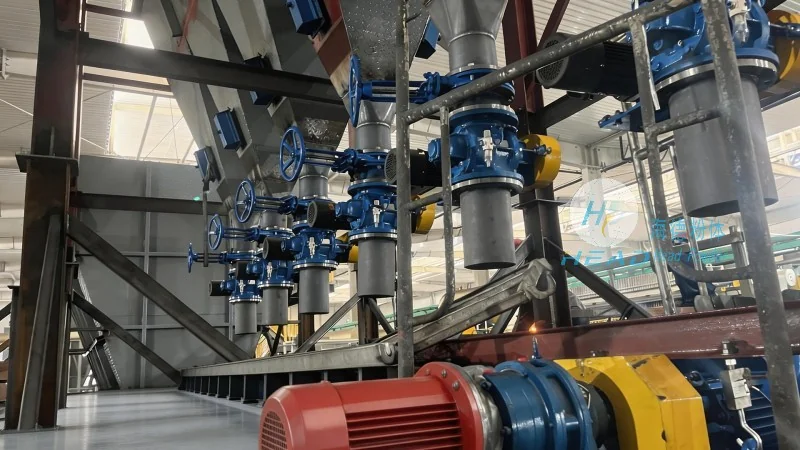
Introduction to Pneumatic Conveying Systems for Calcium Powder
Pneumatic conveying systems are widely used in the processing and manufacturing industries to transport bulk materials like calcium powder from one location to another. These systems utilize air or other gases to move the material through a pipeline network, offering advantages such as reduced dust exposure, improved safety, and the ability to handle materials in a closed system. For calcium powder, which is often fine and can be prone to caking or agglomeration, selecting the right system design is crucial to maintain material quality and ensure smooth operation. A well-designed pneumatic conveying system can enhance production efficiency, reduce downtime, and minimize material loss during transport.
Key Considerations in System Design
When designing a calcium powder pneumatic conveying system, several critical factors must be taken into account to ensure the system operates efficiently and reliably. The first consideration is the material's physical properties, including particle size, density, moisture content, and flowability. Calcium powder typically has a fine particle size, which can affect the system's air velocity requirements and the risk of blockages. Understanding these properties helps in selecting the appropriate conveying method—such as dilute phase or dense phase transport—and determining the necessary air pressure and flow rates. Additionally, the system's layout and the distance between the source and destination points are essential. The layout should minimize bends and changes in direction to reduce pressure losses and prevent material buildup. The distance between the source and destination also influences the choice of equipment, such as the type of blower or compressor needed to maintain sufficient pressure throughout the pipeline.
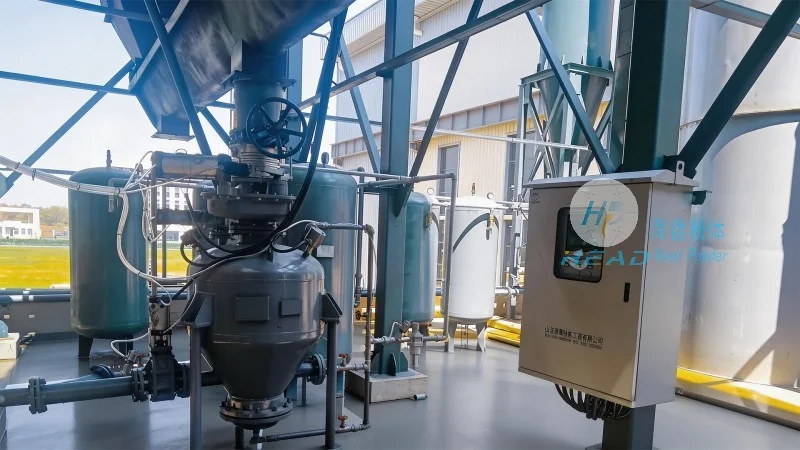
Component Selection and System Configuration
The components of a pneumatic conveying system for calcium powder include the material feed system, the conveying line, the air supply unit, and the discharge equipment. The material feed system is critical for ensuring a consistent and controlled flow of calcium powder into the pipeline. Common feed methods include rotary valves, star feeders, or screw conveyors, which are chosen based on the material's flow characteristics and the system's requirements. The conveying line itself is typically made of materials resistant to corrosion and abrasion, such as stainless steel or high-density polyethylene, to withstand the wear from calcium powder particles. The air supply unit, which can be a blower or a compressor, must be capable of delivering the required air volume and pressure to move the material through the pipeline. The discharge equipment, such as a rotary valve or a bagging unit, ensures that the calcium powder is discharged safely and efficiently at the destination. Proper configuration of these components, considering the system's layout and the material's properties, is essential for achieving optimal performance.
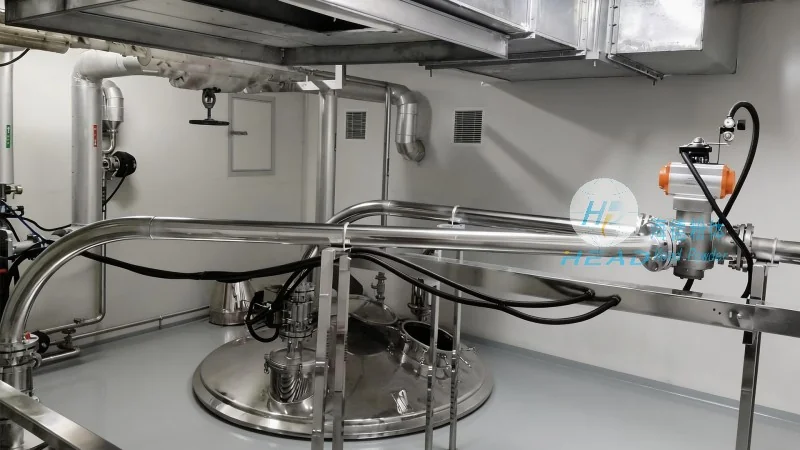
HeadPowder's Expertise in Calcium Powder Handling
HeadPowder, with its headquarters in Shandong, China, brings extensive expertise in the design and implementation of calcium powder handling systems. Our team of engineers has extensive experience working with various calcium powder applications, from industrial manufacturing to food processing. We understand the unique challenges associated with calcium powder, such as its fine particle size and potential for caking, and develop customized solutions to address these issues. Our approach involves a thorough analysis of the client's specific needs, including the material's characteristics, the required transport distance, and the desired system performance. By leveraging our expertise and advanced engineering capabilities, we design systems that not only meet but often exceed industry standards for efficiency, reliability, and safety. Our commitment to quality and customer satisfaction has made us a trusted partner for businesses seeking reliable calcium powder pneumatic conveying solutions.
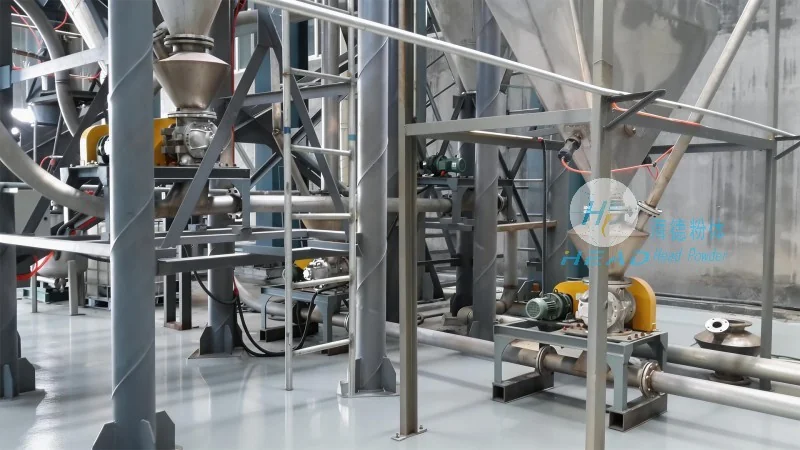
Customized Solutions for Diverse Application Needs
Every calcium powder application has unique requirements, and a one-size-fits-all approach to system design is rarely effective. HeadPowder specializes in providing customized pneumatic conveying solutions tailored to the specific needs of each client. Whether the application involves transporting calcium powder for industrial use, pharmaceutical production, or food processing, our engineers work closely with clients to understand their operational requirements and constraints. We then design a system that optimizes material flow, minimizes energy consumption, and ensures compliance with safety and regulatory standards. Our customized solutions may include variations in the conveying method, such as switching between dilute phase and dense phase transport based on the material's characteristics and the distance to be covered. Additionally, we may incorporate features like dust collection systems or material conditioning equipment to enhance the overall performance and safety of the system. By focusing on the specific needs of each application, we ensure that the final system is both efficient and reliable, providing long-term value to our clients.
Ensuring Efficiency and Reliability in Pneumatic Conveying
The ultimate goal of any calcium powder pneumatic conveying system is to ensure efficient and reliable operation, minimizing downtime and maximizing productivity. To achieve this, several factors must be considered throughout the design and implementation process. Regular maintenance of the system components is essential to prevent wear and tear, which can lead to increased pressure losses and reduced performance. Proper cleaning and inspection of the conveying line and equipment can help identify potential issues before they become major problems. Additionally, monitoring the system's performance parameters, such as air pressure, flow rate, and material flow, can help detect any deviations from the expected performance and allow for timely adjustments. HeadPowder's expertise in system maintenance and troubleshooting ensures that our clients can rely on their calcium powder pneumatic conveying systems to operate efficiently and reliably over the long term. By focusing on both the initial design and ongoing maintenance, we help our clients achieve optimal performance and minimize operational costs.