

How to Design a Reasonable Soil Pneumatic Conveying System Plan?
Designing an efficient and reliable soil pneumatic conveying system is crucial for industries dealing with bulk materials, especially in construction, mining, and environmental remediation. A well-designed system ensures optimal material transport, reduces operational costs, and minimizes downtime. This article provides a comprehensive guide on the key considerations and steps involved in creating a reasonable soil pneumatic conveying system plan, with insights from Shandong HeadPowder Engineering Co., Ltd., a leading provider in the field.
Key Factors in Soil Pneumatic Conveying System Design
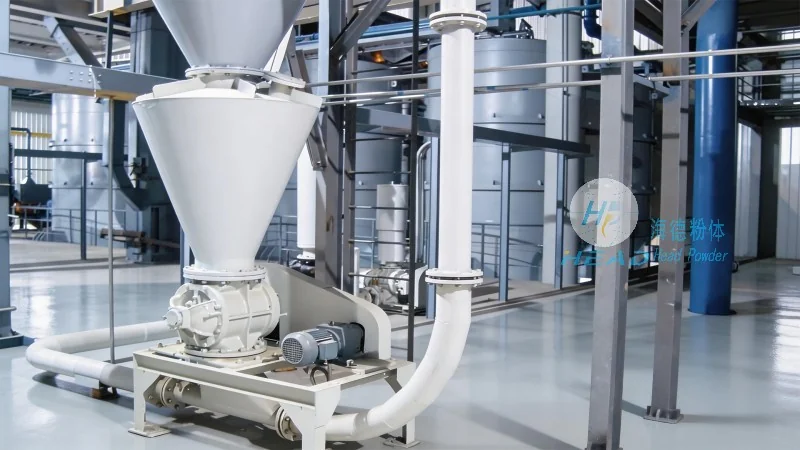
The success of a soil pneumatic conveying system hinges on several critical factors. First, the material properties of the soil, such as particle size, moisture content, and density, must be thoroughly analyzed. These characteristics influence the selection of the appropriate conveying method—whether it's a positive or negative pressure system—and the required air velocity and pressure. For instance, fine-grained soils may require higher air velocities to prevent blockages, while cohesive soils might need additional equipment like agitators or pre-drying processes to improve flowability.
System Components and Their Roles
Shandong HeadPowder Engineering Co., Ltd. emphasizes the importance of integrating key components in the design. The primary components include the hopper, which stores the soil; the air compressor or blower, which generates the necessary airflow; the pipeline network, which transports the material; and the receiver, where the soil is deposited. Each component must be selected based on the system's capacity and operational requirements. For example, the hopper should be designed to minimize material buildup and ensure smooth feeding, while the air compressor must be capable of delivering consistent pressure and volume to maintain system efficiency.
Pressure and Flow Rate Considerations
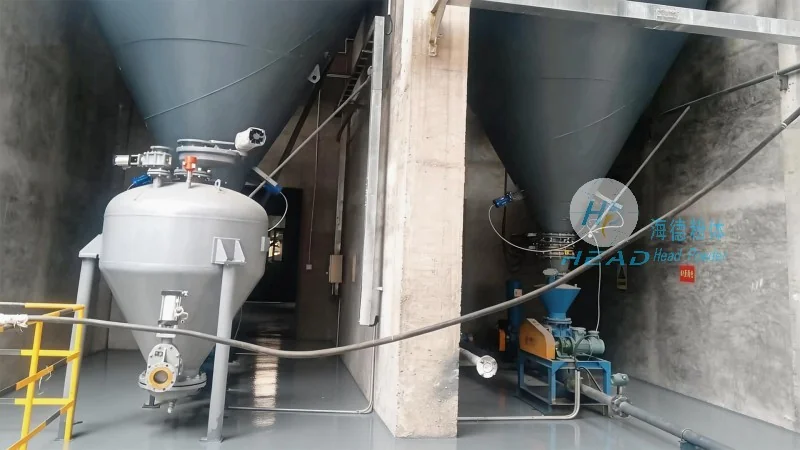
Controlling pressure and flow rate is essential for preventing system failures and optimizing performance. Positive pressure systems, where air is forced through the pipeline, are commonly used for long-distance or high-rise applications. They require robust air compressors and may need additional filtration to prevent dust accumulation. Negative pressure systems, on the other hand, draw material into the pipeline using suction, which is suitable for shorter distances and lower material loads. The choice between these systems depends on the specific project requirements, including the distance between the source and destination, the vertical lift needed, and the material's characteristics.
Material Handling and Downtime Reduction
Efficient soil handling involves minimizing downtime and ensuring continuous operation. Shandong HeadPowder Engineering Co., Ltd. recommends implementing features like automatic cleaning systems for the hopper and pipeline to prevent clogging. Additionally, incorporating sensors to monitor pressure, flow, and material levels can help detect issues early and trigger maintenance actions before they lead to system failures. These measures not only improve system reliability but also reduce operational costs by minimizing the need for manual intervention and repairs.
Case Study: Successful Implementation by HeadPowder
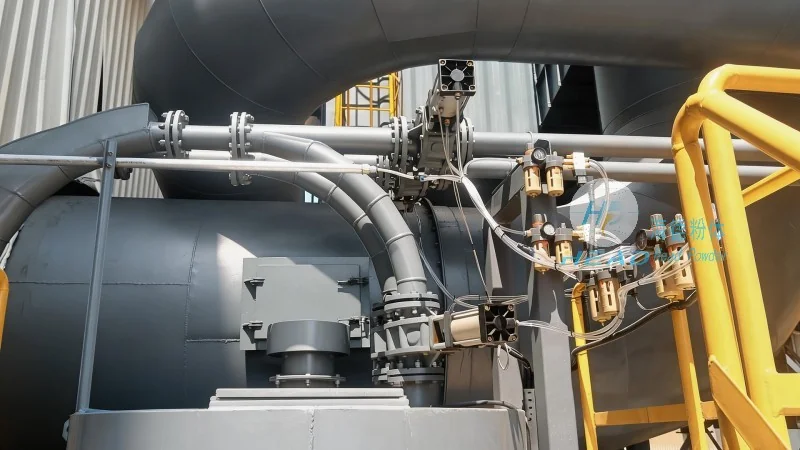
Shandong HeadPowder Engineering Co., Ltd. has successfully implemented soil pneumatic conveying systems in various projects across China. For instance, in a construction site in Shandong, the company designed a system that transported excavated soil from the site to a disposal area over a distance of 500 meters. The system, equipped with a high-efficiency air compressor and a well-designed pipeline network, achieved a throughput of 100 tons per hour while maintaining low operational costs. This case study highlights the effectiveness of a well-designed soil pneumatic conveying system in meeting project demands and improving overall efficiency.
Conclusion and Recommendations
Designing a reasonable soil pneumatic conveying system requires a thorough understanding of material properties, system components, and operational requirements. By considering factors such as pressure, flow rate, and material handling, engineers can create a system that is both efficient and reliable. Shandong HeadPowder Engineering Co., Ltd. offers expert guidance and customized solutions to help industries achieve their material transport goals. Whether for construction, mining, or environmental projects, investing in a well-designed soil pneumatic conveying system is a strategic decision that can lead to significant cost savings and operational improvements.