

Working Principle and Features of Silicone Powder Pneumatic Conveying Equipment
For industries dealing with silicone powder, efficient and reliable material handling is crucial. Pneumatic conveying systems offer a solution that meets these demands, particularly for handling fine powders like silicone. This article explores the working principle and key features of a silicone powder pneumatic conveying machine, highlighting its benefits and how it addresses the unique challenges of processing such materials.
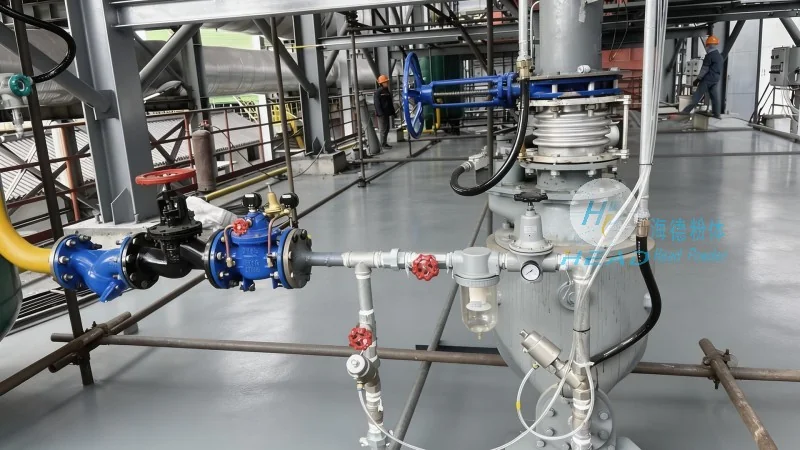
Company Introduction: HeadPowder
HeadPowder, a leading manufacturer in the field of material handling equipment, specializes in providing high-quality pneumatic conveying solutions. With a focus on innovation and customer satisfaction, the company has established itself as a trusted partner for businesses requiring advanced powder handling systems. HeadPowder’s expertise lies in designing equipment that ensures optimal performance, safety, and efficiency for various industrial applications.
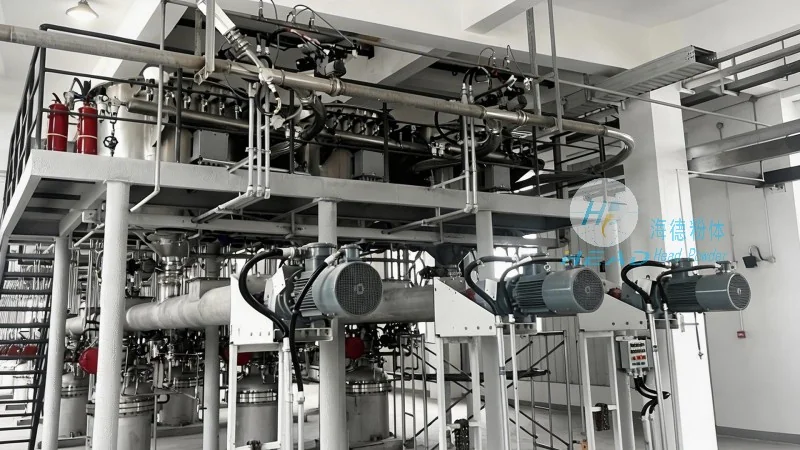
Working Principle of Silicone Powder Pneumatic Conveying Equipment
The core of a pneumatic conveying system is the ability to transport bulk materials through a pipeline using air or gas. For silicone powder, which is typically fine and can be prone to dusting or caking, the system operates by creating a flow of air that pulls or pushes the powder through the pipeline. There are two main types of pneumatic conveying: positive pressure and negative pressure. Positive pressure systems use a blower to force air and material through the line, while negative pressure systems use a vacuum to draw material into the system. The choice of system depends on factors such as the material's properties, the distance to be conveyed, and the required flow rate. In the case of silicone powder, a positive pressure system is often preferred due to its ability to handle fine particles and maintain consistent flow rates. The process begins with the silicone powder being fed into the hopper, where it is then drawn into the pipeline by the moving air. The air velocity is carefully controlled to ensure that the powder particles are fully entrained and transported without causing blockages or excessive wear on the system components. The conveying line is typically made of materials that are resistant to corrosion and abrasion, such as stainless steel or special coatings, to withstand the abrasive nature of silicone powder. The system also includes components like filters and cyclones to separate the powder from the air, ensuring that the material is delivered to the destination without contamination. The working principle is based on the principle of fluidization, where the air flow creates a fluid-like environment for the powder particles, allowing them to move freely through the pipeline. This fluidization process minimizes the risk of material degradation and ensures a smooth, continuous operation.
Key Features of Silicone Powder Pneumatic Conveying Machines
When selecting a pneumatic conveying system for silicone powder, several key features should be considered to ensure optimal performance and reliability. One of the most important features is the system's efficiency in handling fine powders. Silicone powder is often very fine, with particle sizes ranging from a few microns to several hundred microns. A good conveying system must be able to handle these small particles without causing clogging or loss of material. The equipment should also be designed to minimize material degradation, which can occur due to friction or high air velocities. This is achieved through the use of smooth, low-friction components and controlled air flow rates. Another critical feature is the system's ability to maintain a consistent flow rate. Variations in flow rate can lead to uneven material delivery, which can affect downstream processes. The system should include controls that allow for precise adjustment of the air pressure and flow rate, ensuring that the powder is conveyed at a consistent rate. Environmental considerations are also important, as pneumatic conveying systems can generate dust and air emissions. A well-designed system includes filtration and dust collection systems to minimize these emissions and comply with environmental regulations. Additionally, the system should be easy to maintain and clean, as silicone powder can adhere to surfaces and cause blockages over time. This is achieved through the use of self-cleaning filters and easy-to-access components. The safety features of the system are also a key consideration. Silicone powder can be a respiratory hazard if inhaled, and the system should include measures to prevent dust exposure, such as enclosed hoppers and proper ventilation. The equipment should also be designed to prevent explosions, as fine powders can be flammable under certain conditions. Overall, the key features of a silicone powder pneumatic conveying machine include high efficiency, low material loss, consistent flow rate, environmental compliance, easy maintenance, and safety features.
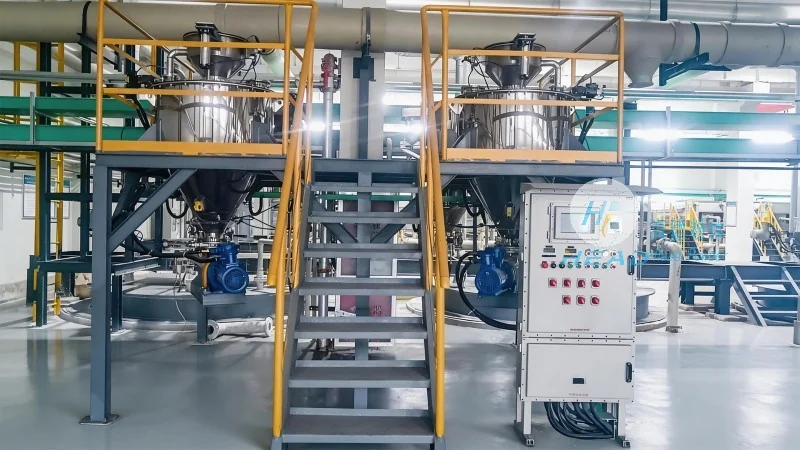
Conclusion and Company Information
HeadPowder Engineering Co., Ltd., based in Shandong, China, is a leading provider of pneumatic conveying equipment for silicone powder applications. The company's expertise in designing and manufacturing high-quality systems ensures that businesses can rely on efficient and reliable material handling solutions. By understanding the working principle and key features of silicone powder pneumatic conveying machines, companies can make informed decisions when selecting equipment that meets their specific needs. HeadPowder’s commitment to quality and customer satisfaction makes it a trusted partner for industries requiring advanced powder handling systems. With a focus on innovation and performance, the company continues to provide solutions that enhance productivity and safety in material handling operations.