

How to Design a Reasonable Rice Husk Pneumatic Conveying System Plan?
When it comes to handling rice husk material efficiently, selecting the right pneumatic conveying system is crucial for optimizing production processes and ensuring operational reliability. A well-designed system not only enhances material transport efficiency but also minimizes downtime and maintenance costs. This article will explore key considerations and best practices for designing a rational rice husk pneumatic conveying system, with insights from industry experts at Shandong HeadPowder Engineering Co., Ltd.
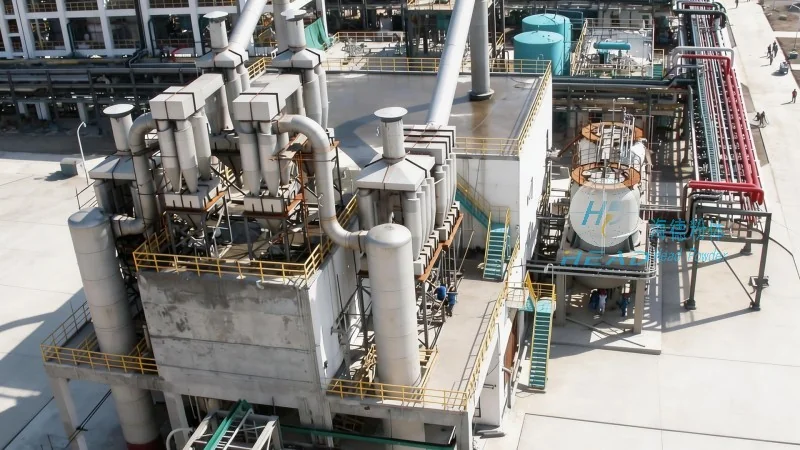
Understanding the Core Components of a Rice Husk Pneumatic Conveying System
The foundation of any effective rice husk pneumatic conveying system lies in its core components. These typically include a material feeder, a conveying line (often with multiple segments), a separator or filter, and a dust collection system. The material feeder is responsible for introducing rice husk into the system at a controlled rate, ensuring consistent flow. The conveying line, which may use positive or negative pressure depending on the application, transports the material from the feeder to the destination point. A separator or filter is essential for removing any fine particles or dust from the air stream, protecting downstream equipment and maintaining air quality. Finally, a dust collection system captures any residual particles, ensuring compliance with environmental regulations and maintaining a clean working environment.
Key Design Factors for Optimal Performance
Several critical factors must be considered when designing a rice husk pneumatic conveying system to ensure optimal performance and longevity. First, the material's physical properties, such as particle size, density, and moisture content, play a significant role in determining the appropriate conveying method. For example, if the rice husk particles are fine and lightweight, a low-pressure system might be more suitable, while larger, denser particles may require high-pressure or positive pressure systems. Second, the system's capacity requirements must be accurately assessed. This involves calculating the required flow rate based on production volume and processing speed. Third, the distance and elevation changes between the source and destination points must be carefully evaluated. These factors influence the selection of the conveying line's length, diameter, and the number of bends or elbows, as well as the required air pressure or vacuum levels. Fourth, the system's integration with existing infrastructure is another important consideration. Compatibility with current facilities, such as storage silos or processing equipment, is essential to avoid disruptions and ensure seamless operation.
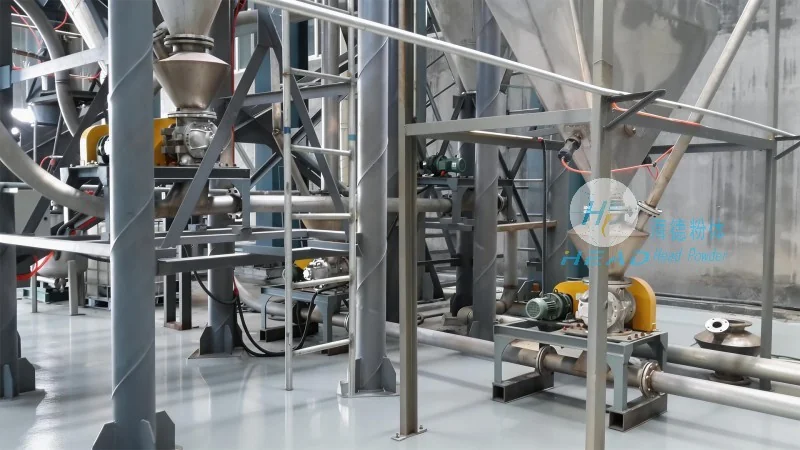
Choosing the Right Conveying Technology for Rice Husk
There are two primary types of pneumatic conveying systems used for rice husk: positive pressure and negative pressure systems. Positive pressure systems, which operate by blowing air into the conveying line, are often preferred for applications involving fine or dusty materials, as they can effectively transport particles with minimal loss. These systems typically use a blower or compressor to generate the necessary air pressure, and the conveying line is sealed to prevent air leakage. Negative pressure systems, on the other hand, operate by creating a vacuum in the conveying line, drawing material from the source point. This method is well-suited for applications where the material is to be transported from a high point to a lower point, as the vacuum helps pull the material down. However, negative pressure systems may be less efficient for long-distance or high-elevation conveying due to the energy required to maintain the vacuum. The choice between these technologies depends on the specific application requirements, including material characteristics, distance, and environmental considerations.
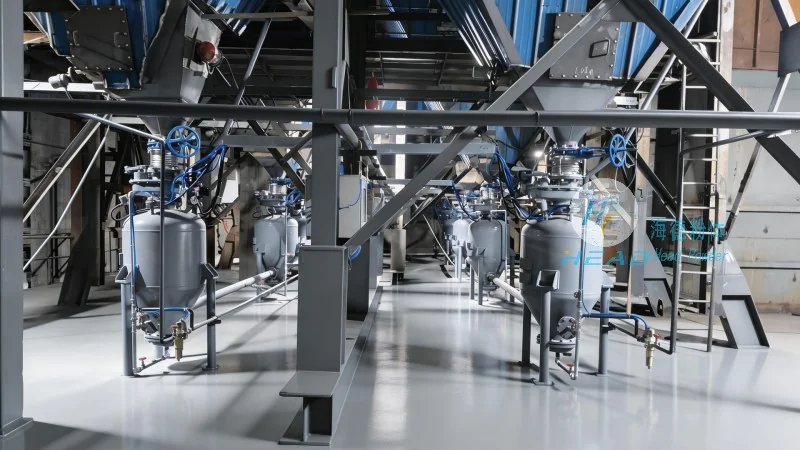
Equipment Selection and Installation Considerations
Proper equipment selection and installation are critical to the success of a rice husk pneumatic conveying system. The material feeder must be designed to handle the specific characteristics of rice husk, such as its tendency to clump or stick to surfaces. A rotary valve or screw feeder is often used to ensure consistent material flow and prevent blockages. The conveying line should be made of durable materials, such as stainless steel or PVC, to withstand the abrasive nature of rice husk particles and resist corrosion. The diameter of the line is determined based on the required flow rate and the particle size distribution. For example, a larger diameter line may be needed for high-capacity systems to prevent excessive pressure drop. The number and type of bends or elbows in the line should be minimized to reduce pressure loss and maintain material flow. Additionally, the installation of check valves or airlocks at critical points can help prevent backflow and ensure smooth operation. Regular maintenance of the equipment, including cleaning of filters and checking for wear and tear, is essential to maintain system efficiency and longevity.
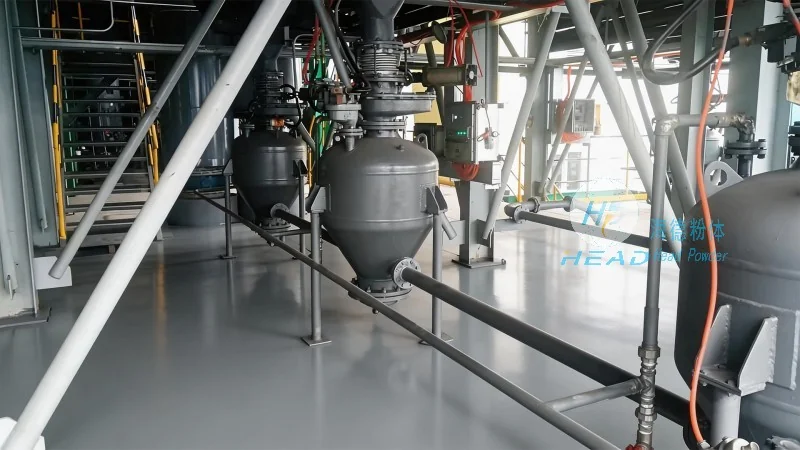
Environmental and Safety Considerations
Designing a rice husk pneumatic conveying system must also take into account environmental and safety regulations. Rice husk is a combustible material, and the system must be designed to minimize the risk of fire or explosion. This includes proper grounding of equipment, use of explosion-proof components, and installation of fire suppression systems if required. The dust collection system must be capable of capturing all fine particles to prevent air pollution and ensure compliance with local environmental regulations. Additionally, the system should be designed to minimize noise levels, as pneumatic conveying systems can be noisy. Proper ventilation and soundproofing measures can help mitigate noise pollution and create a safer working environment. Finally, safety features such as emergency shut-off valves and pressure relief devices should be included to protect operators and prevent accidents.
Case Study: A Successful Rice Husk Pneumatic Conveying System Implementation
Shandong HeadPowder Engineering Co., Ltd. has successfully implemented a rice husk pneumatic conveying system for a client in the biomass energy industry. The system was designed to transport rice husk from a storage silo to a boiler for energy generation. The system included a rotary valve feeder, a 100-meter long stainless steel conveying line with multiple bends, a separator, and a dust collection system. The design was based on the client's production capacity of 500 tons per day and the need to transport the material over a 30-meter elevation change. The system was able to achieve a flow rate of 20 tons per hour, with minimal pressure drop and low maintenance requirements. The client reported significant improvements in production efficiency and reduced labor costs compared to traditional manual handling methods. This case study highlights the importance of proper system design and the benefits of working with experienced engineering firms like Shandong HeadPowder Engineering Co., Ltd.