

How to Design a Reasonable Coconut Shell Powder Pneumatic Conveying System Plan?
When designing a pneumatic conveying system for coconut shell powder, it is crucial to consider several key factors to ensure efficiency, reliability, and cost-effectiveness. The system's design must align with the specific characteristics of the material, such as its particle size, moisture content, and flowability, as well as the operational requirements of the facility. A well-designed system can significantly enhance production throughput while minimizing downtime and maintenance costs.
Key Considerations for System Design
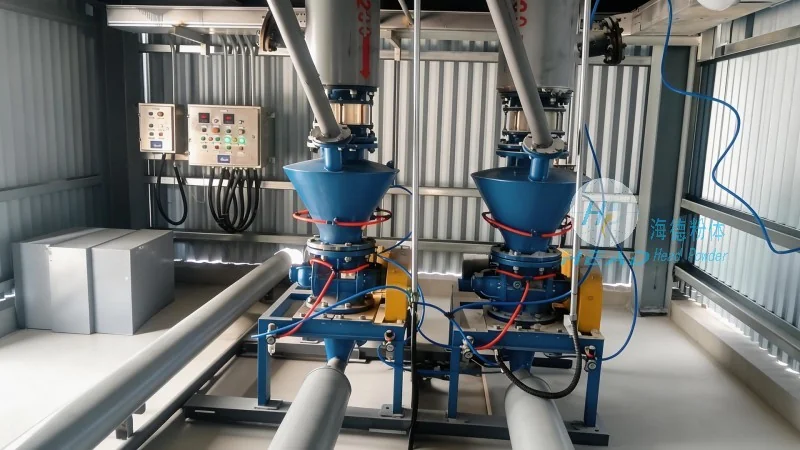
Several critical aspects must be addressed during the design phase. First, the selection of the appropriate conveying method—whether it's a positive pressure, negative pressure, or mixed system—depends on the material's properties and the distance to be conveyed. For coconut shell powder, which typically has a relatively fine particle size and moderate flowability, a positive pressure system is often preferred due to its ability to handle abrasive materials and maintain consistent flow rates. The system must also account for the potential for material buildup or blockages, which can be mitigated through proper pipe sizing, bends, and the use of inline filters or cyclones.
Component Selection and Integration
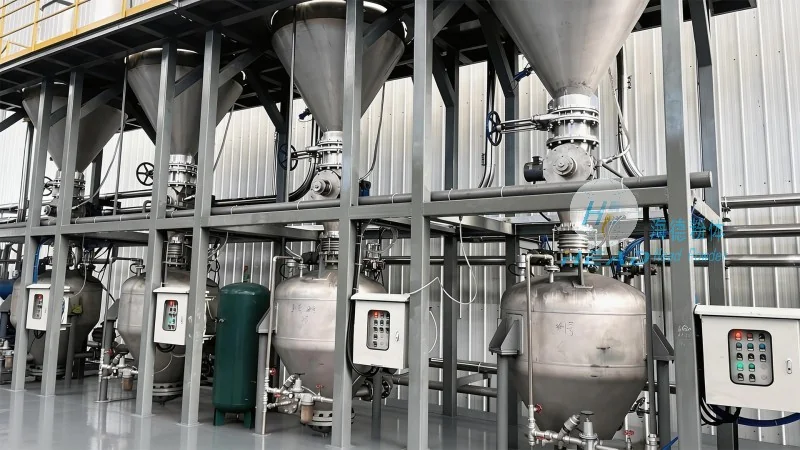
HeadPowder, a leading engineering company based in Shandong, China, emphasizes the importance of selecting high-quality components for a reliable system. The system typically includes a blower or compressor to generate the air flow, a hopper or feeder to introduce the powder, and a conveying line with appropriate fittings and valves. For coconut shell powder, which may contain moisture or fine particles that can cause clogging, the use of a rotary valve or star feeder is recommended to ensure a consistent feed rate. Additionally, the inclusion of a dust collection system, such as a cyclone separator or baghouse, is essential to maintain air quality and comply with environmental regulations.
System Sizing and Performance Optimization
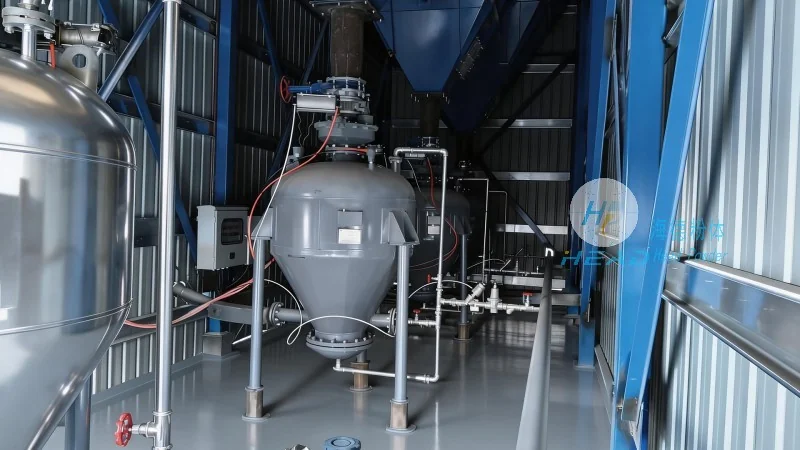
Proper system sizing is vital to ensure optimal performance. The blower's capacity must be matched to the material's air demand, which is influenced by factors like particle size, moisture content, and the length of the conveying line. Over-sizing or under-sizing the equipment can lead to inefficiencies, increased energy consumption, or system failure. HeadPowder engineers use advanced computational fluid dynamics (CFD) and material flow analysis to model the system and predict performance under various conditions. This approach allows for the optimization of pipe diameters, bend angles, and air velocities to achieve the best possible conveying efficiency.
Installation and Maintenance Considerations
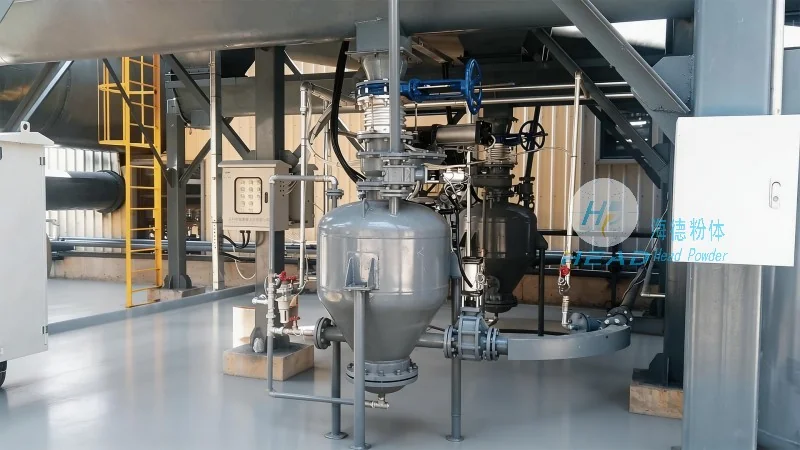
Once the system is designed and manufactured, proper installation and regular maintenance are critical to long-term reliability. The conveying lines should be installed with minimal vertical and horizontal changes to avoid excessive pressure drops or material settling. Regular cleaning of the system components, particularly the cyclone separators and filters, is necessary to prevent clogging and maintain air quality. HeadPowder provides comprehensive after-sales support, including maintenance training and spare parts availability, to ensure that clients can operate their systems efficiently and minimize downtime.