

How to Design a Reasonable Buckwheat Hull Pneumatic Conveying System Plan
Designing an efficient and reliable buckwheat hull pneumatic conveying system is crucial for industries dealing with this specific material. The system must effectively handle the unique properties of buckwheat hulls, such as their light weight, irregular shape, and potential for dust generation, while ensuring minimal material loss and operational efficiency. This article outlines key considerations and steps for developing a well-designed system, with a focus on practical solutions provided by Shandong HeadPowder Engineering Co., Ltd., a leading provider in the field.
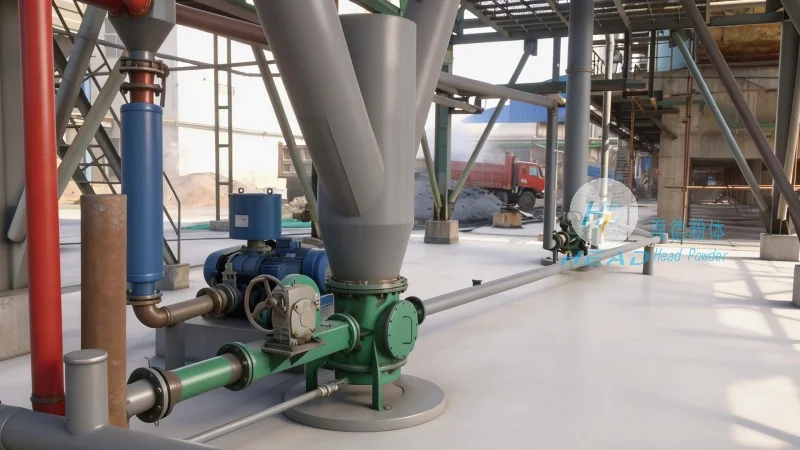
Understanding the Material Characteristics of Buckwheat Hulls
Before designing a pneumatic conveying system for buckwheat hulls, it is essential to understand the material's physical and chemical properties. Buckwheat hulls are typically lightweight, with a low bulk density, which can affect air flow and pressure requirements. Their irregular shape may lead to blockages or increased friction in the conveying line, necessitating careful selection of equipment such as rotary valves, feeders, and separation devices. Additionally, buckwheat hulls can generate significant dust during handling, requiring dust control measures like cyclones and filters to maintain air quality and prevent equipment wear.
Key Design Factors for Pneumatic Conveying Systems
The design of a buckwheat hull pneumatic conveying system involves several critical factors that must be optimized for performance and cost-effectiveness. The first consideration is the distance and layout of the conveying line, as this directly impacts the required air pressure and power consumption. For short distances, a low-pressure system may suffice, while longer distances often require high-pressure or positive pressure systems to maintain material flow. The system type—whether positive pressure (air blows material forward) or negative pressure (material is sucked into the system)—also plays a significant role in determining the equipment needed and operational safety. Positive pressure systems are generally preferred for handling dusty materials like buckwheat hulls, as they minimize the risk of dust leakage and provide better control over material discharge.
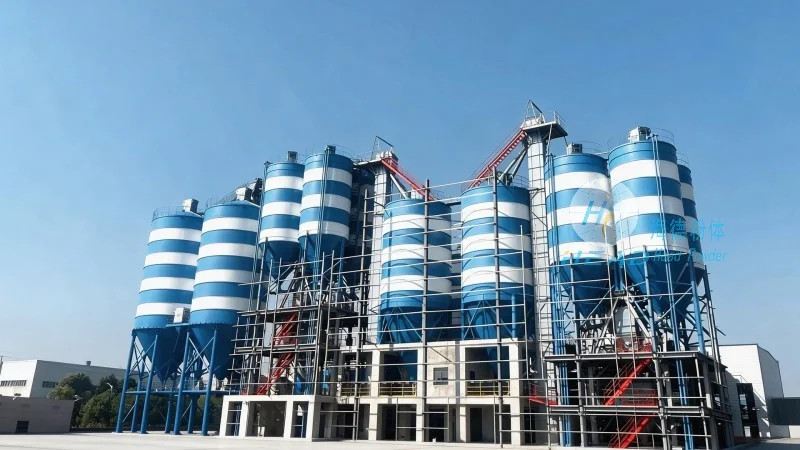
Equipment Selection and System Components
Choosing the right equipment is paramount to the success of a buckwheat hull pneumatic conveying system. The primary components include a high-efficiency blower or fan to generate the necessary air pressure, a rotary airlock or feeder to control the material flow rate, and a series of pipes or ducts to transport the material. For longer conveying distances, a combination of horizontal and vertical sections may be required, with vertical sections often using inclined or vertical pipes to maintain material movement. Separation equipment, such as cyclones or bag filters, is essential to remove dust from the air stream, ensuring compliance with environmental regulations and protecting downstream equipment from wear. HeadPowder Engineering Co., Ltd., based in Shandong, China, specializes in designing and manufacturing customized pneumatic conveying systems tailored to the specific needs of buckwheat hull processing facilities. Their expertise in material handling technology allows them to optimize system components, such as blower capacity, pipe diameter, and separation efficiency, to achieve the best possible performance.
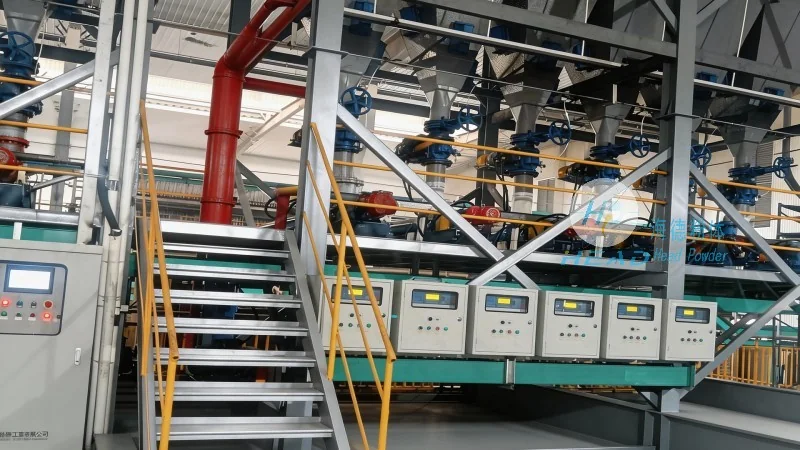
System Integration and Operational Considerations
Integrating the pneumatic conveying system with other processing equipment, such as storage silos, processing lines, or packaging units, is another critical aspect of design. The system must be compatible with existing infrastructure and capable of handling varying material flow rates, especially during peak production periods. Operational considerations include maintenance schedules, energy efficiency, and safety measures to prevent accidents or equipment failure. Regular maintenance of components like the blower, feeders, and separation devices is essential to ensure the system operates at peak efficiency and prolongs the lifespan of equipment. HeadPowder Engineering Co., Ltd. offers comprehensive support, including system maintenance and troubleshooting services, to help clients maintain optimal performance and minimize downtime.
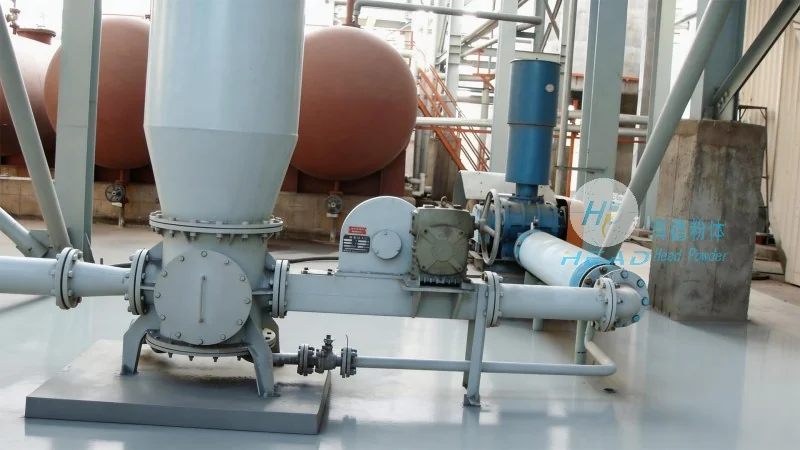
Case Study: A Customized Buckwheat Hull Pneumatic Conveying System
For example, a client in Shandong, China, required a pneumatic conveying system to transport buckwheat hulls from a storage silo to a processing plant over a distance of 200 meters. HeadPowder Engineering Co., Ltd. designed a positive pressure system using a high-capacity blower, a rotary feeder, and a network of stainless steel pipes. The system included a cyclone separator to capture dust and a bag filter to ensure clean air discharge. The solution successfully handled the material's light weight and irregular shape, maintaining a consistent flow rate and minimizing material loss. The client reported significant improvements in operational efficiency and reduced labor costs compared to traditional manual handling methods.
Conclusion and Recommendations
Designing a reasonable buckwheat hull pneumatic conveying system requires a thorough understanding of material properties, careful consideration of design factors, and the selection of appropriate equipment. By following best practices and leveraging the expertise of specialized companies like Shandong HeadPowder Engineering Co., Ltd., industries can achieve efficient, reliable, and cost-effective material handling solutions. It is recommended to conduct a detailed site assessment and material testing before finalizing the system design to ensure optimal performance and compliance with industry standards.