

How to Design a Reasonable Crystal Particle Pneumatic Conveying System Plan
Welcome to Shandong HeadPowder Engineering Co., Ltd., a leading provider of advanced pneumatic conveying solutions. Our expertise lies in designing efficient and reliable systems for transporting crystal particles, ensuring optimal performance and minimal operational challenges. This article will guide you through the key considerations and steps involved in creating a well-designed crystal particle pneumatic conveying system.
Understanding the Core Requirements for Crystal Particle Pneumatic Conveying
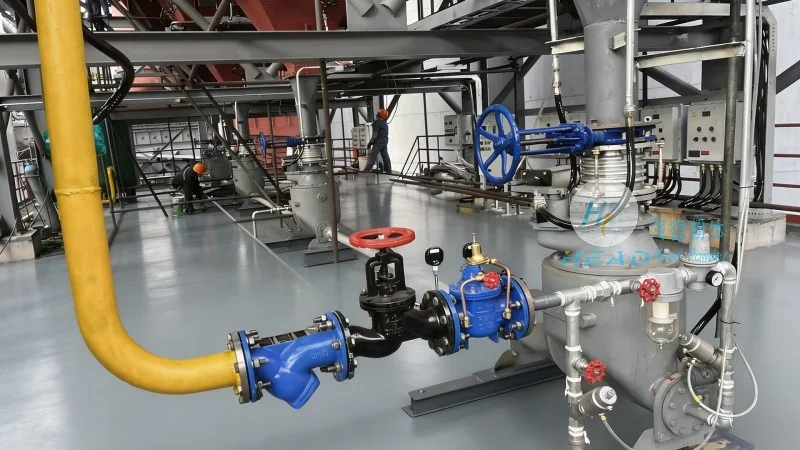
Before diving into the design process, it's crucial to understand the specific characteristics of the crystal particles you intend to transport. Factors such as particle size, density, moisture content, and flowability significantly impact the system's performance. At HeadPowder, we conduct thorough material analysis to tailor the system to your unique needs. For instance, fine or cohesive crystals may require specialized equipment like rotary valves or airlocks to prevent blockages and ensure smooth material flow. Additionally, the system must account for the material's hygroscopic properties, as moisture can affect the conveying efficiency and equipment longevity.
Key Design Considerations for Pneumatic Conveying Systems
Designing a successful crystal particle pneumatic conveying system involves balancing several critical factors. First, the selection of the conveying method—whether it's dilute phase, dense phase, or a hybrid approach—depends on the particle size and the required distance of transport. Dilute phase systems use high air velocities to move particles, suitable for short distances and fine powders, while dense phase systems employ lower velocities and higher air-to-material ratios, ideal for handling abrasive or sensitive materials over longer distances. HeadPowder engineers evaluate the material's properties and operational constraints to recommend the most appropriate method. Second, the system's pressure and air flow rates are critical. Proper sizing of the blower or compressor ensures sufficient air volume to maintain the desired conveying velocity without excessive energy consumption. We also consider the system's pressure drop across components like pipelines, elbows, and filters, as excessive pressure loss can lead to reduced conveying capacity or equipment failure.
Equipment Selection and System Layout
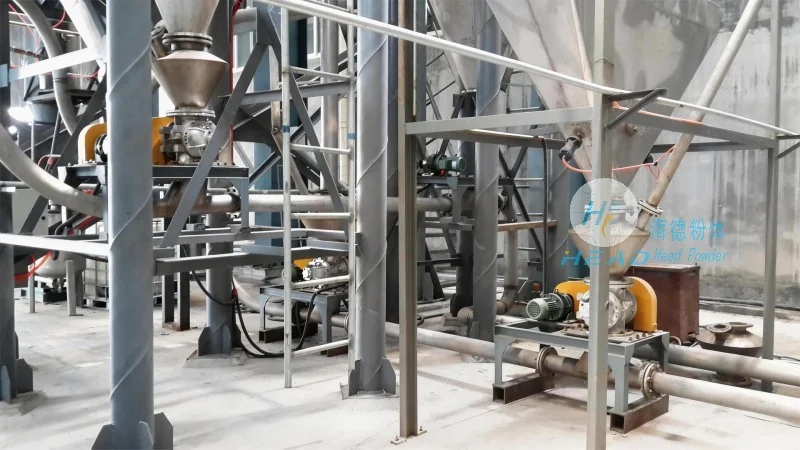
HeadPowder's design process includes careful selection of all system components to ensure compatibility and efficiency. The primary equipment includes a blower or compressor, feeders (such as rotary valves or screw feeders), pipelines, and separation devices (like cyclones or filters). For crystal particles, rotary valves are often preferred due to their ability to handle cohesive materials and provide consistent feed rates. The pipeline layout must be optimized to minimize pressure losses and avoid bends or obstructions that could cause particle accumulation or blockages. Additionally, the inclusion of surge hoppers or buffer tanks helps regulate material flow and prevent overloading of downstream equipment. Our engineers use computational fluid dynamics (CFD) simulations to model the system and predict flow behavior, ensuring the layout is optimized for both performance and cost-effectiveness.
Material Handling and Process Integration
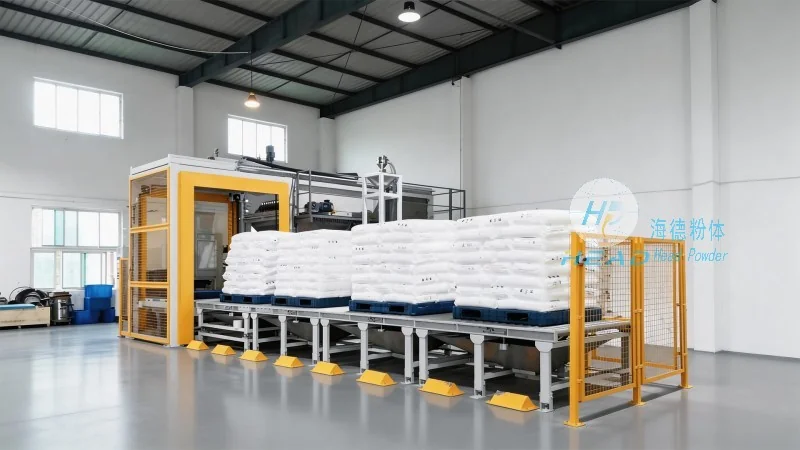
Integrating the pneumatic conveying system with existing processes is another key aspect of the design. HeadPowder works closely with clients to understand their production workflows and ensure seamless integration. This includes coordinating with storage silos, processing units, and packaging equipment to create a cohesive material handling system. For crystal particles, which may be sensitive to temperature or moisture, the system must incorporate features to maintain material quality. For example, insulated pipelines or temperature-controlled zones can prevent thermal degradation, while moisture control measures like desiccant filters or dehumidifiers can maintain the material's properties. We also consider the system's impact on the overall process efficiency, aiming to reduce downtime and improve throughput.
Commissioning, Testing, and Maintenance
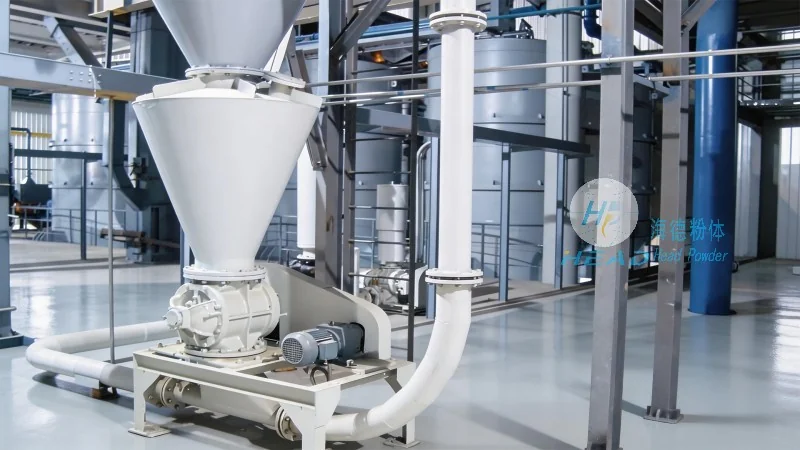
After the system is designed and manufactured, thorough commissioning and testing are essential to ensure it meets all performance specifications. HeadPowder's team conducts comprehensive testing, including flow rate verification, pressure drop measurements, and material handling tests under various conditions. This ensures the system operates as intended and identifies any potential issues before full-scale operation. Regular maintenance is also critical to the system's longevity and performance. We provide detailed maintenance schedules and guidelines to our clients, focusing on key components like bearings, seals, and filters. By following these guidelines, clients can maximize the system's lifespan and minimize operational costs.
Conclusion
Designing a reasonable crystal particle pneumatic conveying system requires a comprehensive approach that considers material properties, operational requirements, and system integration. At Shandong HeadPowder Engineering Co., Ltd., we leverage our expertise and advanced engineering tools to deliver customized solutions that meet the unique needs of our clients. Whether you're transporting fine crystals over short distances or handling bulk quantities over long distances, our systems are designed to provide reliable, efficient, and cost-effective material handling solutions. Contact HeadPowder today to learn more about how we can help you design and implement a successful crystal particle pneumatic conveying system.