

How to Design a Reasonable Coal Gangue Powder Pneumatic Conveying System Plan?
When designing a coal gangue powder pneumatic conveying system, it is crucial to consider multiple factors to ensure the system operates efficiently and reliably. The design process involves a comprehensive analysis of material properties, operational requirements, and environmental considerations. This article provides a detailed guide on how to design a reasonable coal gangue powder pneumatic conveying system plan, focusing on key aspects that contribute to system performance and longevity.
Key Factors Influencing System Design
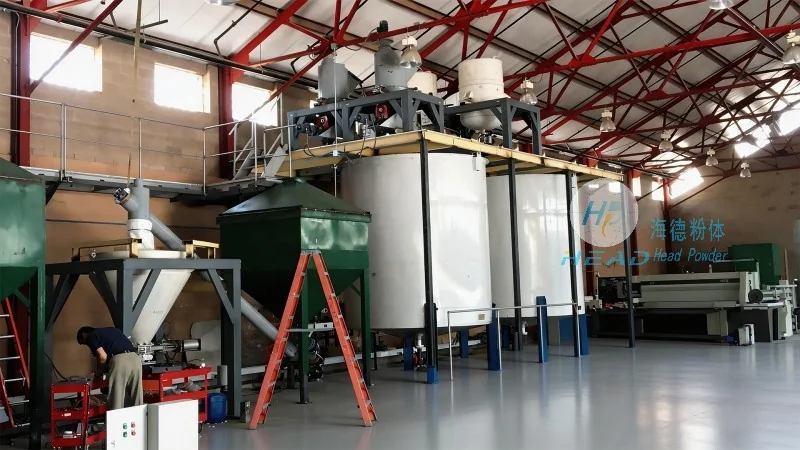
The design of a coal gangue powder pneumatic conveying system is influenced by several critical factors. First, the physical and chemical properties of the coal gangue powder, such as particle size distribution, moisture content, and bulk density, play a significant role in determining the appropriate conveying method and equipment selection. For instance, fine powders with high moisture content may require specialized equipment to prevent clogging and ensure consistent flow. Additionally, the distance and elevation changes between the material source and destination affect the system's pressure requirements and energy consumption. These factors must be carefully evaluated to avoid overdesign or underdesign, which can lead to operational inefficiencies or equipment failure.
System Type Selection: Dilute Phase vs. Dense Phase
Choosing the right system type is a fundamental step in the design process. The two primary categories are dilute phase and dense phase pneumatic conveying systems. Dilute phase systems operate at low solid concentration (typically 1-10% by volume) and are suitable for short to medium distances and relatively low pressure applications. They are commonly used for transporting fine powders like coal gangue, as they offer high throughput and minimal pressure drop. In contrast, dense phase systems transport material at higher solid concentrations (up to 50% by volume) and are ideal for longer distances or when handling abrasive or sensitive materials. Dense phase systems often use positive displacement pumps or low-pressure blowers to maintain a stable flow and reduce particle degradation. The selection between these two types depends on the specific project requirements, including distance, material characteristics, and operational constraints.
Pressure and Flow Rate Calculations
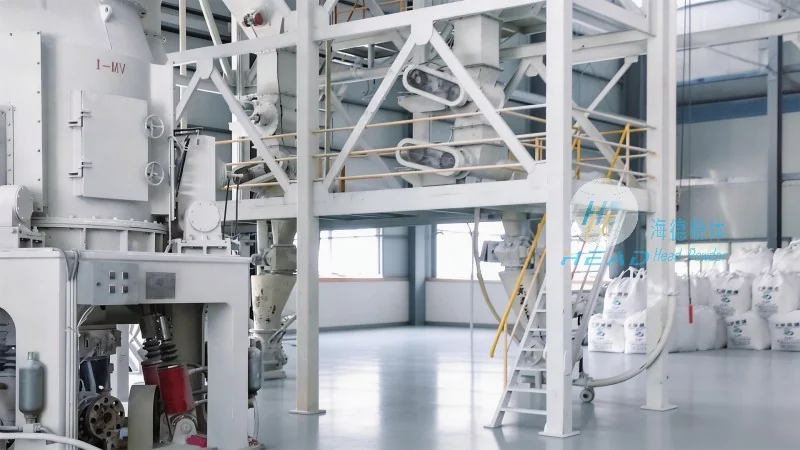
Accurate pressure and flow rate calculations are essential for designing a reliable coal gangue powder pneumatic conveying system. The pressure required to move the material through the pipeline is determined by factors such as pipeline length, elevation changes, and friction losses. Friction losses are influenced by the pipe diameter, material properties, and flow velocity. Using standard formulas, engineers can calculate the necessary pressure to overcome these losses and maintain a consistent flow rate. The flow rate, measured in cubic meters per hour or pounds per hour, is determined by the system's capacity and the material's bulk density. Proper calculation ensures that the system operates within its optimal range, preventing excessive energy consumption or material degradation. For example, a system designed for high flow rates may require larger diameter pipes and more powerful blowers to maintain the desired velocity and pressure.
Equipment Selection and Integration
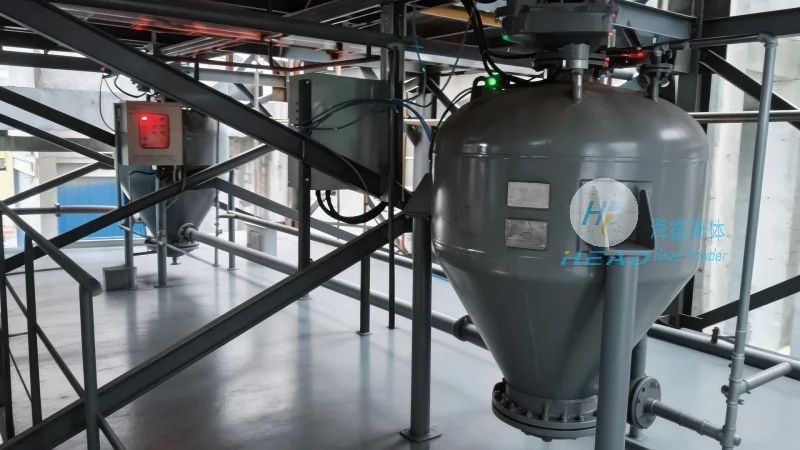
Equipment selection is a critical component of the system design. Key equipment includes the material feed system, conveying line, air source, and control components. The material feed system, such as a rotary valve or star feeder, must be compatible with the material's properties to ensure smooth and consistent material introduction into the conveying line. The conveying line, typically made of stainless steel or other corrosion-resistant materials, should be sized appropriately to handle the flow rate and pressure requirements. The air source, which can be a positive displacement blower or a centrifugal fan, must provide sufficient pressure and airflow to meet the system's demands. Control components, including pressure sensors, flow meters, and control valves, are essential for monitoring and regulating the system's performance. Proper integration of these components ensures that the system operates efficiently and safely. For instance, a well-designed feed system can prevent material buildup and clogging, while a high-quality air source can maintain consistent pressure and flow.
Installation and Maintenance Considerations
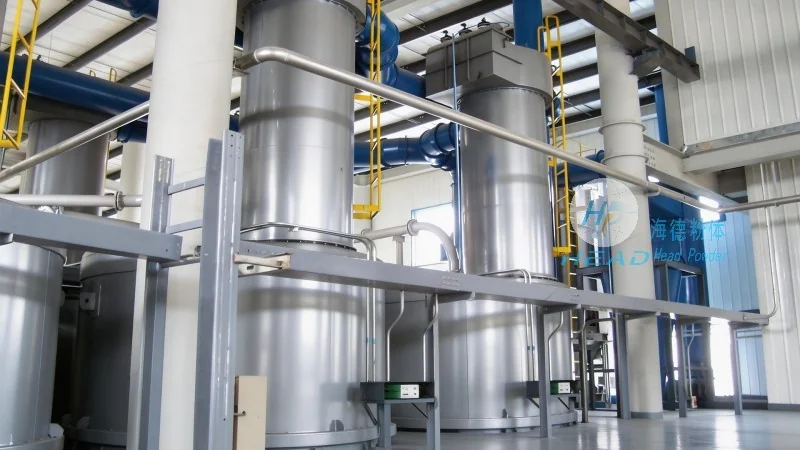
Proper installation and regular maintenance are vital for the long-term performance of a coal gangue powder pneumatic conveying system. During installation, it is important to ensure that all components are properly aligned and connected to avoid leaks or pressure losses. The pipeline should be installed with appropriate slopes to facilitate material flow and prevent accumulation. Regular maintenance, including cleaning, lubrication, and inspection of components, is necessary to prevent wear and tear and ensure system reliability. For example, cleaning the conveying line and air source regularly can prevent clogging and reduce energy consumption. Additionally, monitoring system performance through sensors and data logging can help identify potential issues before they become major problems. Proper maintenance practices can extend the system's lifespan and reduce downtime, ensuring consistent material transport.
Case Study: Successful Implementation by Shandong HeadPowder Engineering Co., Ltd.
Shandong HeadPowder Engineering Co., Ltd., a leading provider of engineering solutions for material handling systems, has successfully implemented coal gangue powder pneumatic conveying systems for various clients. One notable project involved designing a system for a coal processing plant in Shandong, China. The system was designed to transport fine coal gangue powder from a storage silo to a processing unit over a distance of 200 meters with a 10-meter elevation change. The design team at HeadPowder considered the material's particle size distribution (ranging from 0.1 to 2 mm) and moisture content (around 5%) to select a dilute phase system with a positive displacement blower. The system was equipped with a rotary valve for material feeding and stainless steel pipelines to prevent corrosion. After installation and commissioning, the system operated efficiently, achieving a flow rate of 50 cubic meters per hour with minimal pressure loss. The client reported significant improvements in material handling efficiency and reduced operational costs. This case study demonstrates the effectiveness of a well-designed coal gangue powder pneumatic conveying system and the expertise of Shandong HeadPowder Engineering Co., Ltd. in providing tailored solutions for material handling challenges.