

How to Design a Reasonable Wood Fiber Pneumatic Conveying System Plan?
When it comes to efficiently handling wood fiber materials, the design of a pneumatic conveying system is crucial for ensuring smooth operations and optimal performance. A well-planned system not only enhances productivity but also minimizes operational costs and maintenance requirements. This article will explore key considerations and steps involved in designing a reasonable wood fiber pneumatic conveying system, with insights from Shandong HeadPowder Engineering Co., Ltd., a leading provider in the field.
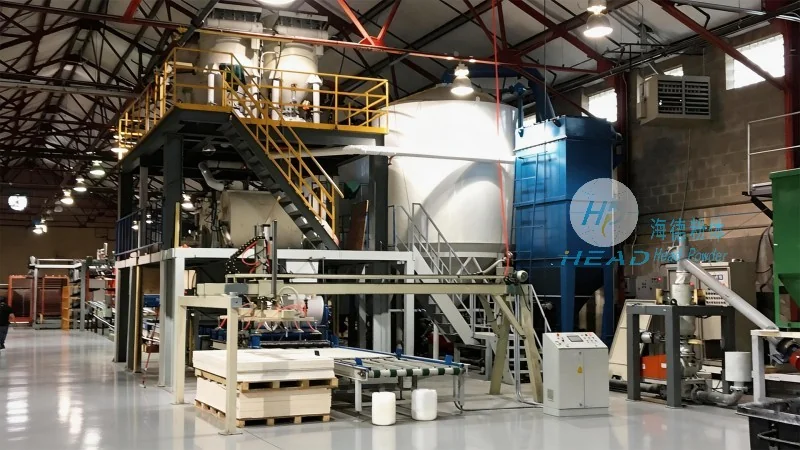
Understanding the Core Requirements of Wood Fiber Pneumatic Conveying
Before diving into the design process, it's essential to understand the specific characteristics of wood fiber materials and the operational demands of the application. Wood fibers, such as sawdust, shavings, or wood chips, often present unique challenges due to their lightweight, irregular shapes, and potential for static electricity. These factors influence the choice of conveying system type, equipment selection, and overall system configuration. Shandong HeadPowder Engineering Co., Ltd. emphasizes the importance of conducting a thorough material analysis to determine properties like bulk density, moisture content, and particle size distribution, which directly impact system performance.
Choosing the Right Pneumatic Conveying System Type
There are primarily two types of pneumatic conveying systems: pressure and vacuum. The selection depends on factors like material characteristics, distance, and required flow rate. For wood fiber applications, pressure systems are often preferred due to their ability to handle abrasive and lightweight materials effectively. A pressure system uses a positive pressure blower to push air and material through the pipeline, offering advantages like higher conveying capacity and better control over material flow. Shandong HeadPowder Engineering Co., Ltd. recommends evaluating the specific needs of the application, including the distance between the source and destination, to determine the most suitable system type. For instance, if the conveying distance is short and the material is relatively dry, a low-pressure system might suffice, while longer distances or more demanding conditions may require high-pressure systems.
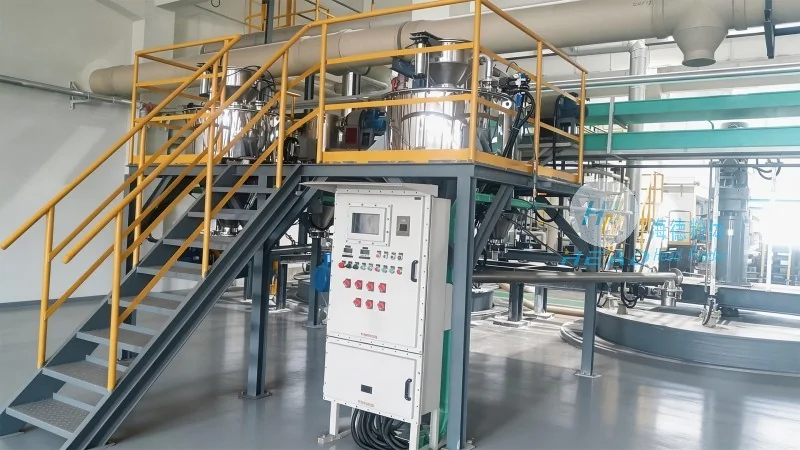
Key Equipment Selection for Wood Fiber Conveying
Several critical components make up a pneumatic conveying system, and each plays a vital role in the overall performance. The primary equipment includes the air compressor (or blower), material feeders, conveying lines, and control valves. For wood fiber materials, the choice of air compressor is crucial. Positive displacement blowers, such as rotary lobe or roots blowers, are commonly used due to their ability to generate consistent pressure and handle the low-density nature of wood fibers. The material feeder, typically a screw feeder or a rotary valve, ensures a steady and controlled feed of wood fibers into the system. Shandong HeadPowder Engineering Co., Ltd. highlights the importance of selecting equipment that can handle the specific characteristics of wood fibers, such as the potential for clogging or bridging, to prevent system downtime. Additionally, the conveying lines should be made of materials resistant to abrasion and corrosion, often stainless steel or high-quality plastic, to ensure durability and long-term performance.
Designing the Conveying Pipeline and System Layout
The layout and design of the conveying pipeline are critical to the efficiency and reliability of the system. The pipeline should be designed to minimize pressure drops and ensure smooth material flow. Key considerations include the diameter of the pipeline, the angle of incline, and the placement of bends and elbows. The pipeline diameter is determined based on the required flow rate and the velocity of the air-material mixture. A larger diameter reduces pressure drop but increases material cost, while a smaller diameter may lead to higher pressure requirements and potential blockages. Shandong HeadPowder Engineering Co., Ltd. advises using computational fluid dynamics (CFD) simulations to optimize the pipeline design and predict potential issues before construction. The system layout should also consider the placement of the air compressor, material source, and destination to minimize the length of the pipeline and reduce energy consumption. Properly designed bends and elbows with appropriate radii help maintain material flow and prevent particle separation or deposition.
Control and Monitoring Systems for Optimal Performance
Implementing an effective control and monitoring system is essential for maintaining the efficiency and reliability of a wood fiber pneumatic conveying system. Modern systems often include sensors and control valves that monitor pressure, flow rate, and material level in real-time. These systems allow for automatic adjustments to maintain optimal operating conditions, such as adjusting the air pressure or feed rate based on changes in material characteristics or system load. Shandong HeadPowder Engineering Co., Ltd. emphasizes the importance of integrating advanced control technologies, such as programmable logic controllers (PLCs) and SCADA systems, to enhance system performance and reduce downtime. Additionally, regular monitoring and maintenance are crucial to detect potential issues early and prevent major failures. The control system should also include safety features, such as pressure relief valves and emergency shut-off mechanisms, to ensure safe operation and protect personnel and equipment.
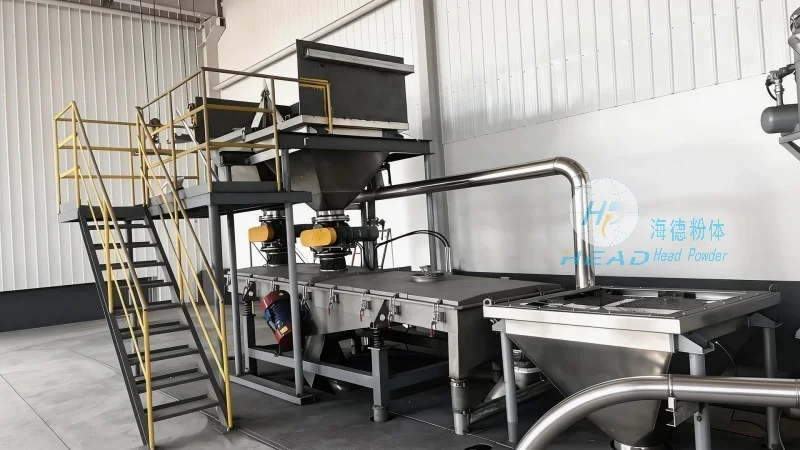
Integration of Wood Fiber Handling Best Practices
Designing a pneumatic conveying system for wood fibers is not just about the equipment and layout; it also involves integrating best practices for material handling. This includes proper drying and conditioning of the wood fibers to reduce moisture content and prevent clogging. Moisture can cause the material to clump together, leading to blockages in the system. Shandong HeadPowder Engineering Co., Ltd. recommends incorporating drying equipment, such as rotary dryers or fluidized bed dryers, if the raw material has high moisture content. Additionally, grounding and bonding the system components can help prevent static electricity buildup, which can be a safety hazard and affect material flow. Regular cleaning and maintenance of the system, including the removal of accumulated material from the pipeline and equipment, are also essential to maintain performance and extend the system's lifespan.
Conclusion: Partnering with Experts for Successful System Design
Designing a reasonable wood fiber pneumatic conveying system requires a comprehensive approach that considers material characteristics, operational demands, and equipment selection. By following the key considerations outlined above and leveraging the expertise of companies like Shandong HeadPowder Engineering Co., Ltd., businesses can ensure the development of an efficient, reliable, and cost-effective system. The goal is to create a system that not only meets current operational needs but also adapts to future changes and requirements. With proper planning and execution, a well-designed pneumatic conveying system can significantly enhance productivity, reduce operational costs, and improve overall process efficiency in wood fiber handling applications.