

How does buckwheat hull material handling work and what are its characteristics?
Understanding the working principle of buckwheat hull material handling is crucial for optimizing processing efficiency in food processing and agricultural applications. The process typically involves several key components and mechanisms designed to efficiently transport and manage the hulls. At the core of the system is a conveyor mechanism, which may include belt conveyors, screw conveyors, or pneumatic transport systems, depending on the specific requirements of the operation. These components work in tandem to move the hulls from one stage of processing to another, ensuring a smooth and continuous flow. The conveyor systems are often equipped with feeding mechanisms, such as hoppers or feeders, that regulate the input of hulls into the transport line. This controlled feeding helps maintain a consistent flow rate, preventing overloading or underloading of the conveyor. Additionally, the systems may incorporate sorting or screening components to separate the hulls from other materials or impurities, enhancing the purity of the final product. The integration of these components creates a seamless workflow that minimizes bottlenecks and maximizes throughput.
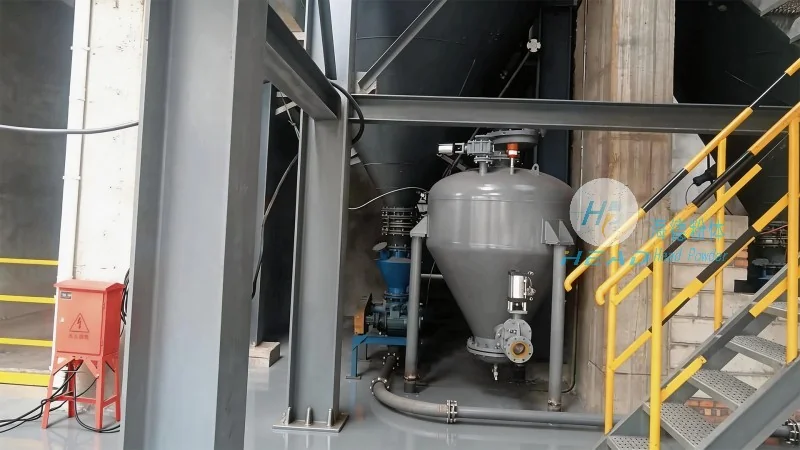
Key Features and Advantages of Buckwheat Hull Material Handling Systems
Buckwheat hull material handling systems are engineered with several distinctive features that enhance their performance and reliability. One of the primary advantages is the ability to handle bulk materials with minimal human intervention, reducing labor costs and improving operational safety. The systems are often designed with adjustable speed controls, allowing operators to fine-tune the transport rate based on the processing needs. This flexibility is particularly valuable in dynamic production environments where demand fluctuates. Additionally, the equipment is constructed from durable materials, such as stainless steel or high-grade plastic, which are resistant to wear and corrosion, ensuring long-term durability even in harsh processing environments. The use of stainless steel also contributes to hygiene standards, making the systems suitable for food processing applications where sanitation is critical. Furthermore, the systems are equipped with safety features, including emergency stop buttons and protective guards, to prevent accidents and ensure compliance with safety regulations.
Technical Specifications and Operational Efficiency
The technical specifications of buckwheat hull material handling systems vary based on the scale of the operation and the volume of material to be processed. For small-scale applications, compact conveyor systems with lower capacity might be used, while large-scale processing facilities may employ more robust and high-capacity equipment. The systems are typically equipped with sensors and monitoring devices to track the flow of materials and detect any blockages or malfunctions, enabling proactive maintenance and minimizing downtime. For instance, level sensors in hoppers can alert operators when the material level is low, prompting refilling, while flow sensors can detect clogs in the conveyor line, triggering automatic shutdowns. Energy efficiency is also a consideration, with modern systems incorporating energy-saving features like variable frequency drives (VFDs) to optimize power consumption. VFDs adjust the motor speed based on the load, reducing energy waste during periods of low demand. This not only lowers operational costs but also contributes to environmental sustainability by minimizing carbon emissions.
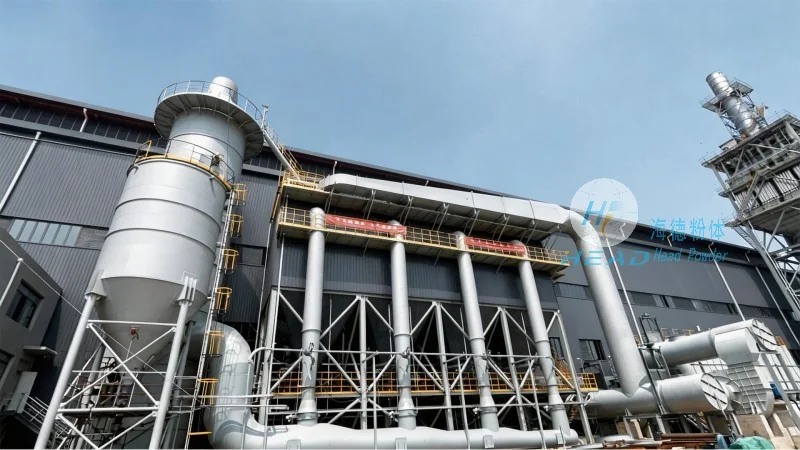
Application in Food Processing and Agricultural Industries
Buckwheat hull material handling plays a vital role in various industries, particularly in the food processing sector where the hulls are often used as a byproduct or in the production of functional foods. The efficient transport of hulls ensures that they can be processed into value-added products, such as hull extracts or dietary supplements. In agricultural settings, the systems help in the separation and collection of hulls from the main grain, facilitating the subsequent processing steps like milling or packaging. The reliability and efficiency of these systems contribute to the overall productivity of the operations, making them an essential component in modern processing facilities. For example, in the production of buckwheat flour, the hulls need to be separated from the kernels to improve the quality of the flour. The material handling systems ensure that the hulls are removed efficiently, reducing the presence of impurities in the final product. Similarly, in the manufacturing of buckwheat-based snacks or beverages, the hulls may be used as a natural ingredient or as a source of dietary fiber. The ability to handle and process the hulls effectively enhances the versatility of buckwheat in food applications.
Maintenance and Longevity of Buckwheat Hull Material Handling Equipment
The longevity and performance of buckwheat hull material handling equipment depend significantly on regular maintenance and proper operation. Routine maintenance tasks include cleaning the conveyor belts or screw mechanisms to prevent material buildup, lubricating moving parts to reduce friction, and inspecting sensors and controls for any signs of wear or damage. These maintenance activities help prevent breakdowns and extend the lifespan of the equipment. Additionally, operators should follow the manufacturer's guidelines for operation, such as avoiding overloading the system or using the correct type of material for the conveyor. Proper training of personnel on the safe and efficient use of the equipment is also essential to ensure optimal performance and safety. By adhering to these practices, the systems can maintain their efficiency and reliability over extended periods, providing consistent performance in processing operations.
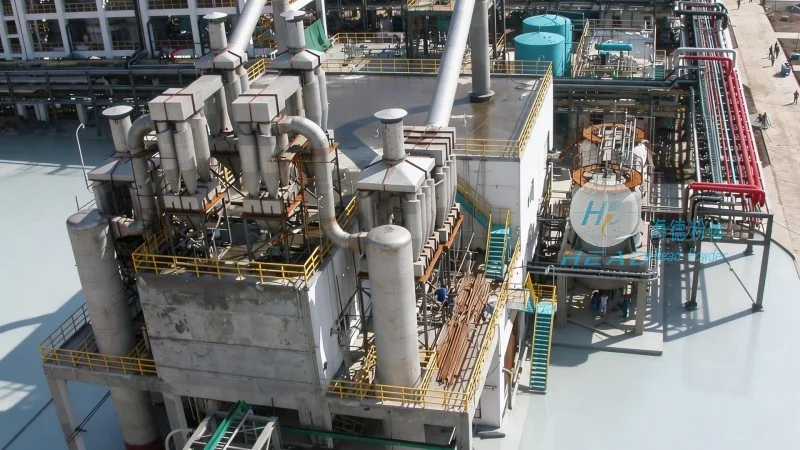
Customization and Integration with Other Processing Equipment
Buckwheat hull material handling systems can be customized to meet the specific needs of different processing facilities. Manufacturers often offer options for different conveyor types, such as belt conveyors for horizontal transport or inclined conveyors for vertical lifting, allowing flexibility in layout design. The systems can also be integrated with other processing equipment, such as milling machines, packaging lines, or storage silos, creating a seamless production line. For instance, a conveyor system can connect the hull separation unit to a storage silo, ensuring that the hulls are collected and stored efficiently. Integration with control systems, such as programmable logic controllers (PLCs), allows for centralized monitoring and control of the entire processing line. This integration enhances operational efficiency by enabling automated control of multiple equipment units, reducing the need for manual intervention and minimizing errors. Customization also includes the ability to adjust the system's capacity, speed, and dimensions to fit the available space and production volume, ensuring that the equipment is optimized for the specific application.
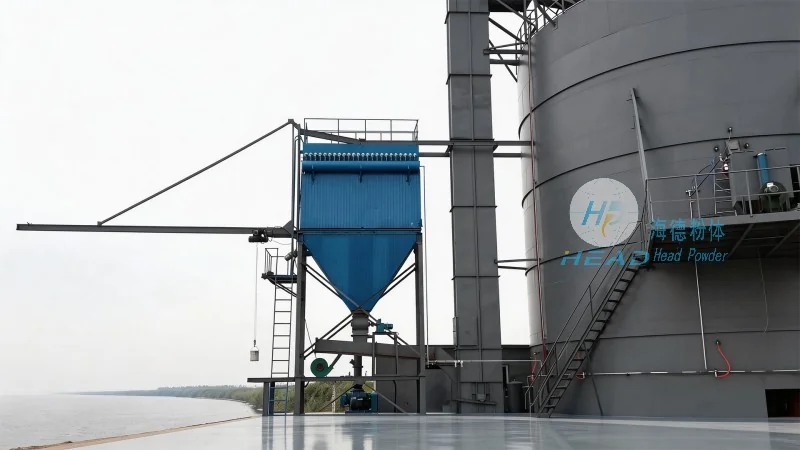
Environmental Considerations and Sustainability
In today's industrial landscape, environmental sustainability is a key consideration for processing equipment. Buckwheat hull material handling systems are designed with environmental factors in mind, contributing to the overall sustainability of the operations. The use of energy-efficient components, such as VFDs, reduces energy consumption and lowers carbon emissions. Additionally, the systems are often constructed from recyclable materials, minimizing waste and promoting a circular economy. The efficient handling of hulls also reduces the environmental impact by preventing the accumulation of waste materials, which could otherwise lead to pollution or resource depletion. Furthermore, the systems help in the proper disposal or reuse of hulls, as they can be used as animal feed, mulch, or biofuel, reducing the need for additional resources. By incorporating sustainable practices into the design and operation of the equipment, the systems contribute to the environmental responsibility of the processing facilities, aligning with global sustainability goals.
Conclusion
In conclusion, buckwheat hull material handling systems are essential components in the processing of buckwheat, offering efficient and reliable solutions for transporting and managing hulls. The working principle involves a combination of conveyor mechanisms, feeding systems, and sorting components that work together to ensure a smooth flow of materials. The key features and advantages of these systems include minimal human intervention, adjustable speed controls, durable construction, and safety features. Technical specifications and operational efficiency are tailored to the scale of the operation, with modern systems incorporating sensors, monitoring devices, and energy-saving features. The applications in food processing and agricultural industries highlight the importance of these systems in enhancing productivity and product quality. Proper maintenance, customization, and integration with other equipment, along with environmental considerations, further contribute to the effectiveness and sustainability of the systems. As processing technologies continue to evolve, buckwheat hull material handling systems will remain a critical part of modern processing facilities, supporting the efficient and sustainable production of buckwheat-based products.