

Working Principle and Features of Corn Granular Material Conveying
Understanding the working principle and features of corn granular material conveying systems is crucial for optimizing agricultural processing operations. This article provides a detailed overview of how these systems function and the key characteristics that make them effective in handling corn and similar granular materials.
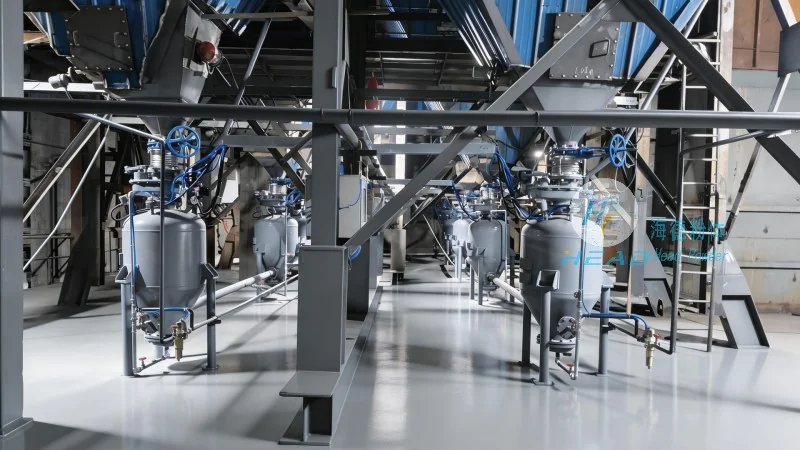
Company Introduction: Shandong HeadPowder Engineering Co., Ltd.
HeadPowder, a leading manufacturer in the field of material handling solutions, specializes in designing and supplying advanced conveying systems tailored for various industrial applications. With a strong presence in China, particularly in Shandong province, the company leverages its expertise to deliver reliable and efficient equipment for corn processing and other bulk material transport needs. The company’s commitment to quality and innovation ensures that their products meet the highest standards in durability, performance, and user-friendliness.
The Working Principle of Corn Granular Material Conveying Systems
Corn granular material conveying systems typically operate based on mechanical or pneumatic principles, depending on the specific design and application requirements. The most common method involves the use of screw conveyors, belt conveyors, or pneumatic conveyors, each with its own unique mechanism for transporting corn kernels and other granular materials. For instance, screw conveyors utilize a rotating helical screw to move materials along a trough, while belt conveyors employ a continuous belt that transports the material through a series of rollers and idlers. Pneumatic conveyors, on the other hand, use air pressure to transport materials in a sealed pipeline, which is particularly effective for handling fine or dusty corn particles.
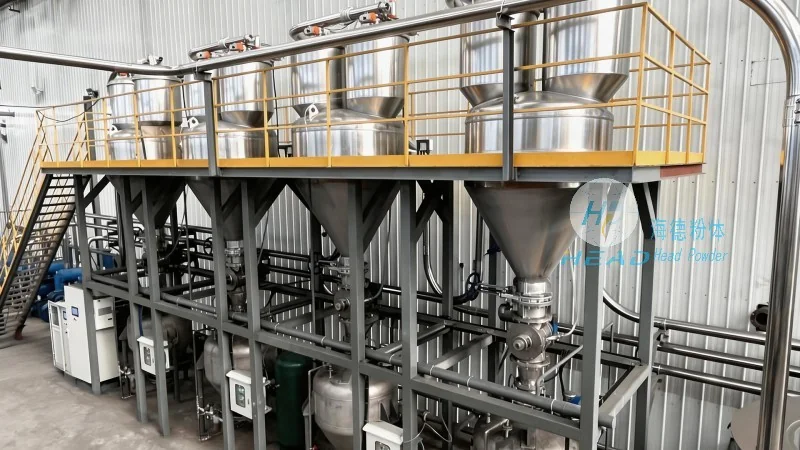
Key Features of Efficient Corn Granular Material Conveying
Effective corn granular material conveying systems possess several key features that enhance their performance and reliability. These features include: high capacity and throughput, ensuring that large volumes of corn can be transported efficiently; low maintenance requirements, reducing operational costs and downtime; energy efficiency, minimizing power consumption during operation; and durability, with robust construction to withstand the rigors of continuous use in agricultural processing environments. Additionally, modern conveying systems often incorporate adjustable speed controls, allowing operators to optimize the conveying rate based on specific processing needs. Some systems also feature integrated cleaning mechanisms to prevent material buildup and ensure consistent performance over time.
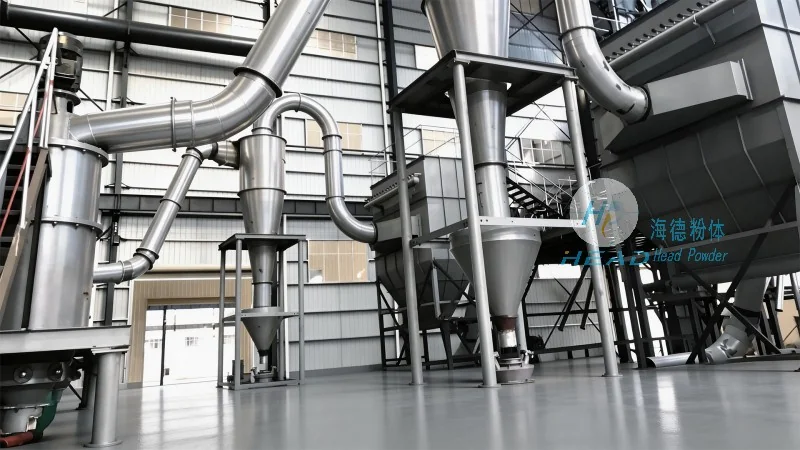
Application-Specific Design Considerations
The design of corn granular material conveying systems is tailored to meet the specific demands of different agricultural processing stages. For example, in the initial stages of corn processing, such as harvesting and primary cleaning, conveying systems may need to handle raw, unprocessed corn kernels with varying moisture content and impurities. In contrast, during the later stages, such as drying or packaging, the system may need to transport dried, processed corn with higher density and uniformity. HeadPowder’s engineers consider these factors when designing custom solutions, ensuring that the conveying system is optimized for the specific application, whether it is for bulk transport, sorting, or feeding into subsequent processing equipment.
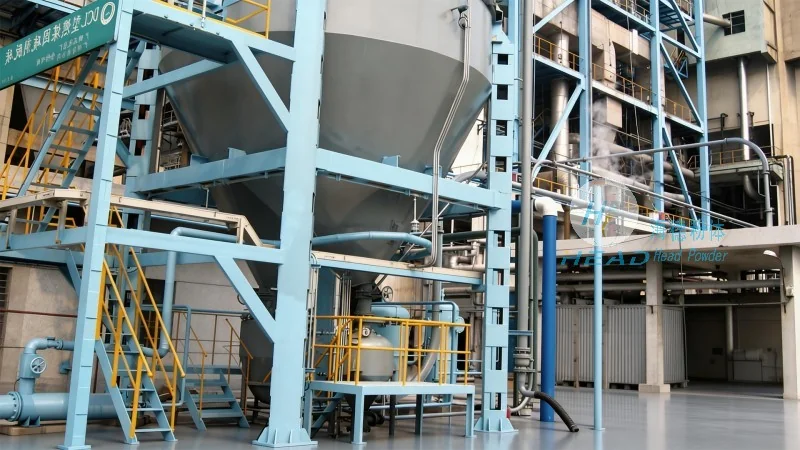
Advantages of Choosing HeadPowder’s Conveying Solutions
When selecting a corn granular material conveying system, businesses benefit from choosing a solution from HeadPowder. The company’s products are engineered to provide superior performance, reliability, and durability, which are essential for maintaining consistent production in agricultural processing facilities. HeadPowder’s commitment to customer satisfaction is reflected in their comprehensive after-sales support, including technical assistance, maintenance services, and spare parts availability. By partnering with HeadPowder, clients gain access to a range of advanced conveying technologies that are designed to meet the evolving needs of the agricultural industry, ensuring long-term operational efficiency and cost-effectiveness.
Conclusion
In summary, corn granular material conveying systems play a vital role in the efficient processing of corn and other agricultural products. The working principles and features of these systems, as exemplified by HeadPowder’s advanced solutions, are designed to optimize material handling, reduce operational costs, and enhance overall productivity. By understanding the key aspects of these systems, agricultural processing facilities can make informed decisions when selecting the most suitable conveying equipment, ultimately contributing to improved operational performance and profitability.