

How to Design a Reasonable Carbon Additive Powder Pneumatic Conveying System Plan?
When it comes to handling carbon additive powders in industrial applications, the design of an efficient and reliable pneumatic conveying system is crucial. This article will explore the key considerations and steps involved in creating a well-structured plan for such a system, ensuring optimal performance and safety.
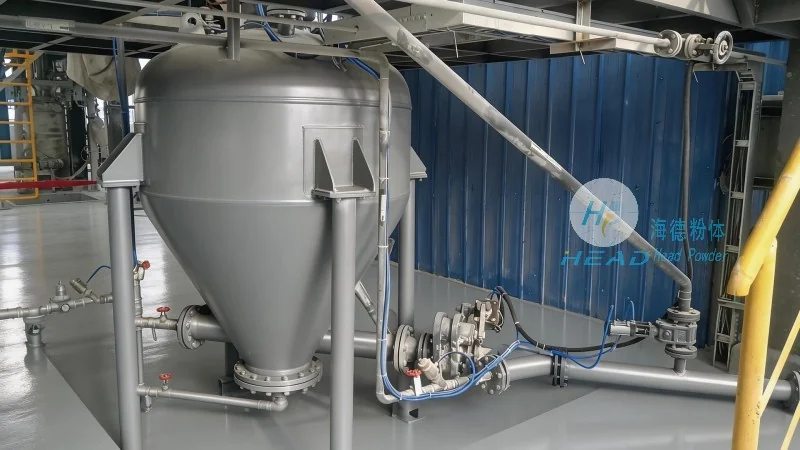
Understanding the Importance of a Well-Designed Pneumatic Conveying System for Carbon Additive Powders
Carbon additive powders are widely used in various industries, including steelmaking, foundries, and chemical manufacturing. These powders are often fine and can be challenging to transport due to their properties like dustiness and potential for caking. A properly designed pneumatic conveying system not only ensures the safe and efficient movement of these materials but also minimizes operational costs and environmental impact. The system must be tailored to the specific characteristics of the carbon additive powder, such as particle size, moisture content, and flowability, to achieve the best results.
Key Factors to Consider in System Design
Several critical factors must be taken into account when designing a pneumatic conveying system for carbon additive powders. First, the material's physical properties are paramount. The particle size distribution, density, and moisture level will influence the choice of conveying method—whether it's pressure or vacuum-based. For example, if the powder is fine and has high moisture content, a pressure system with a suitable air velocity might be more effective to prevent blockages and ensure consistent flow. Second, the system's capacity and required throughput are essential. The design must accommodate the expected flow rate, ensuring that the system can handle the volume of carbon additive powder needed for the production process without bottlenecks. Third, the distance and layout of the conveying line are important. The length and number of bends or changes in elevation will affect the air pressure and velocity required, which in turn impacts the system's energy consumption and overall efficiency. Fourth, safety considerations are non-negotiable. Carbon additive powders can be combustible under certain conditions, so the system must include features like explosion-proof components, proper ventilation, and fire suppression measures to mitigate risks. Additionally, dust control is vital to maintain a clean and safe working environment, preventing respiratory issues and ensuring compliance with environmental regulations.
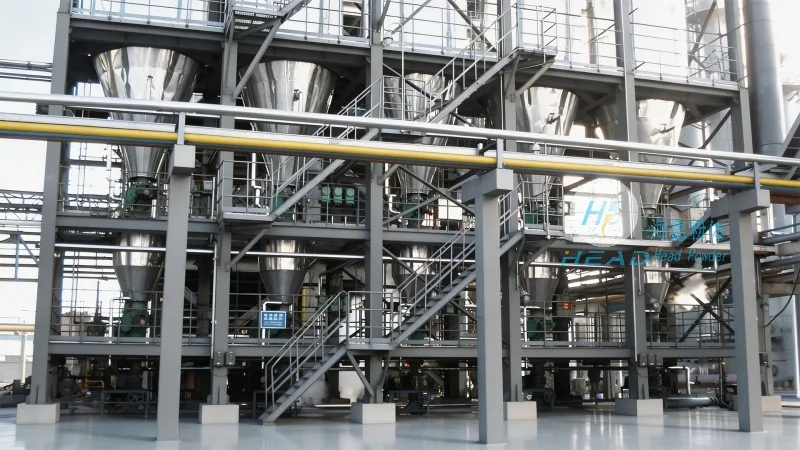
Components of a Typical Pneumatic Conveying System for Carbon Additive Powders
A standard pneumatic conveying system for carbon additive powders typically consists of several key components. The main parts include a hopper or feeder to store and feed the powder, a conveying line (usually made of metal or plastic pipes), a blower or compressor to generate the air flow, a filter system to capture dust and return clean air, and a discharge device at the end of the line. The hopper is designed to prevent the powder from caking and ensure a consistent feed rate. The feeder, often a rotary valve or a screw feeder, controls the amount of powder entering the system. The blower or compressor provides the necessary air pressure and volume to move the powder through the line. The conveying line must be sized appropriately to handle the air and powder mixture without excessive pressure drop. The filter system is crucial for capturing fine particles and preventing them from being released into the environment. Finally, the discharge device, such as a rotary valve or a bagging unit, delivers the powder to its final destination, such as a storage silo or a processing unit.
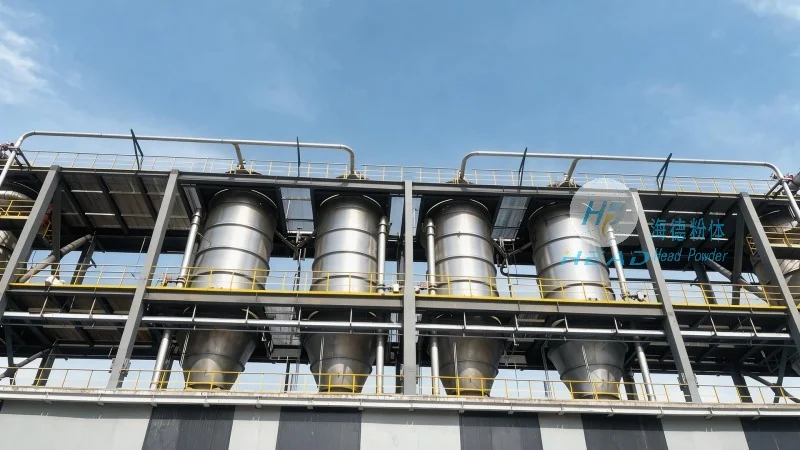
Design Process and Best Practices
The design process for a carbon additive powder pneumatic conveying system involves several steps. First, a thorough analysis of the material properties and the application requirements is conducted. This includes determining the particle size, moisture content, and flowability of the carbon additive powder, as well as the desired throughput and conveying distance. Second, the system type is selected—whether it's a pressure system (where the material is pushed by the air flow) or a vacuum system (where the material is pulled by the air flow). Pressure systems are generally more suitable for longer distances and higher capacities, while vacuum systems are better for shorter distances and when the material needs to be collected from multiple sources. Third, the system components are sized based on the material properties and the chosen system type. The blower or compressor capacity, the pipe diameter, and the filter size are all calculated to ensure optimal performance. Fourth, the system layout is planned, considering the available space and the location of the hopper, feeder, and discharge points. The layout should minimize the number of bends and changes in elevation to reduce pressure losses and energy consumption. Fifth, safety and environmental considerations are integrated into the design. This includes installing explosion-proof components, proper ventilation, and dust collection systems to comply with regulations and protect workers. Finally, the system is tested and optimized to ensure it meets the performance requirements. This may involve adjusting the air velocity, checking for blockages, and monitoring the pressure and flow rates to fine-tune the system for the best results.
Case Study: A Successful Implementation by Shandong HeadPowder Engineering Co., Ltd.
Shandong HeadPowder Engineering Co., Ltd., a leading provider of industrial powder handling solutions, has successfully designed and implemented several pneumatic conveying systems for carbon additive powders. One notable project involved a steelmaking plant that needed to transport fine carbon additive powders from a storage silo to a blast furnace. The system designed by HeadPowder included a pressure conveying system with a high-capacity blower, a large hopper with a rotary valve feeder, and a long conveying line with minimal bends. The system was engineered to handle the high throughput required by the plant while maintaining a low pressure drop and energy consumption. The filter system was designed to capture fine particles and return clean air to the plant, ensuring compliance with environmental regulations. The discharge device was a rotary valve that delivered the powder to the blast furnace at a consistent rate. The system has been in operation for several years, providing reliable and efficient transport of the carbon additive powder. The plant reported significant improvements in production efficiency and reduced operational costs due to the well-designed system. This case study highlights the importance of a tailored approach to system design, considering the specific needs of the application and the properties of the material.