

Working Principle and Features of Alumina Crystal Material Handling
Alumina crystals are widely used in various industrial applications, and efficient material handling is crucial for their processing and transportation. This article explores the working principle and key features of the material handling systems designed for alumina crystals, focusing on the technology and operational aspects that ensure optimal performance.
Working Principle of Alumina Crystal Material Handling
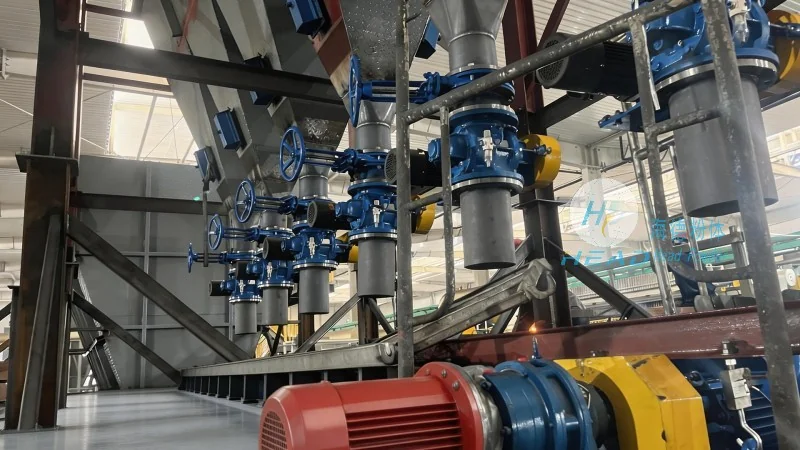
The material handling process for alumina crystals typically involves several stages, each optimized to maintain the integrity and quality of the crystals. The system begins with the collection of raw alumina crystals, which are often stored in bulk containers or silos. From there, the crystals are transferred to the primary handling equipment, such as conveyors or elevators, which move the material to the processing or packaging areas.
Conveyor systems play a central role in alumina crystal material handling. These systems use a combination of mechanical components, including rollers, belts, and sometimes magnetic or vibratory mechanisms, to transport the crystals. The design of the conveyor is tailored to the characteristics of alumina crystals, which are often abrasive and require gentle handling to prevent damage. For instance, some conveyor belts are made of special materials that minimize friction and wear, ensuring the crystals remain intact during transport.
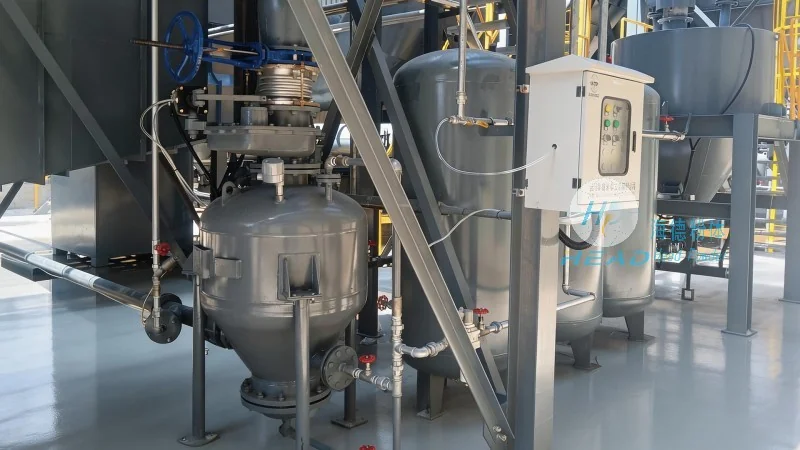
Elevators and vertical conveyors are also commonly used to move alumina crystals between different levels of a facility. These systems typically employ bucket elevators or chain conveyors, which lift the crystals vertically while maintaining a controlled speed. The control mechanisms, such as variable frequency drives, allow for precise adjustment of the elevator speed, ensuring smooth and consistent material flow. This vertical movement is essential for integrating alumina crystal processing with other industrial operations, such as grinding, classification, or packaging.
Key Features of Alumina Crystal Material Handling Systems
Efficient alumina crystal material handling systems are characterized by several key features that enhance performance and reliability. One of the most important features is the ability to handle abrasive materials without causing excessive wear or damage to the equipment. This is achieved through the use of specialized components, such as hardened steel rollers, wear-resistant belts, and protective coatings on the conveyor frames.
Another critical feature is the system's adaptability to varying material loads and flow rates. Alumina crystal production can fluctuate, and the handling system must be able to accommodate these changes without compromising efficiency. Modern systems often include sensors and control systems that monitor the flow rate and adjust the conveyor speed or elevator capacity accordingly. This dynamic adjustment ensures that the material is processed at the optimal rate, minimizing bottlenecks and reducing downtime.
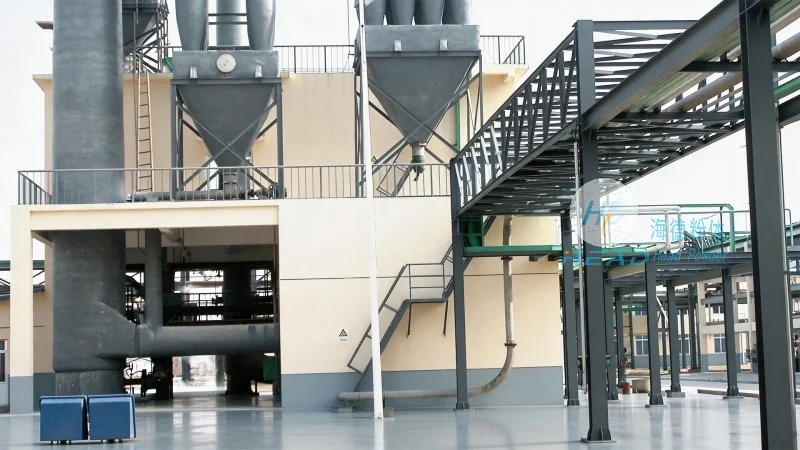
Control and automation are also prominent features of advanced alumina crystal material handling systems. These systems are equipped with programmable logic controllers (PLCs) and human-machine interfaces (HMIs) that allow operators to monitor and control the entire process from a central location. The automation reduces the need for manual intervention, improving safety and consistency. For example, the system can automatically adjust the conveyor speed based on the level of material in the hopper, preventing overloading or underloading of the equipment.
Operational Benefits and Applications
The effective handling of alumina crystals offers several operational benefits for industrial facilities. By maintaining the integrity of the crystals, the system ensures that the final product meets quality standards, which is essential for applications such as ceramics, refractories, and electronics. Efficient material handling also reduces processing time and energy consumption, leading to cost savings for the company.
These systems are widely used in the alumina production industry, from raw material storage to final product packaging. They are also applicable in other industries where similar abrasive materials are handled, such as in the processing of minerals, chemicals, and food products. The adaptability and reliability of alumina crystal material handling systems make them a valuable asset for any facility that relies on these materials.
About Shandong HeadPowder Engineering Co., Ltd.
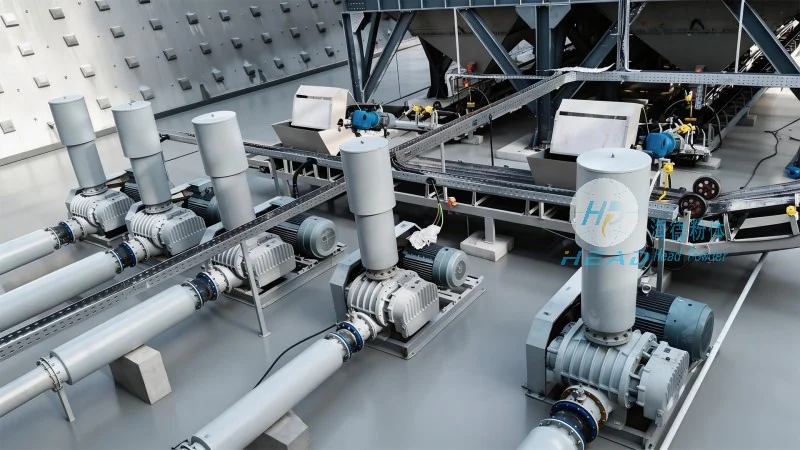
Shandong HeadPowder Engineering Co., Ltd., commonly known as HeadPowder, is a leading provider of material handling solutions for industrial applications. With a focus on innovation and quality, the company has developed advanced systems tailored to the unique needs of alumina crystal processing. HeadPowder's expertise in conveyor technology, elevator design, and automation ensures that their products meet the highest standards of performance and reliability.
HeadPowder's facilities are located in Shandong, China, where the company leverages local resources and expertise to deliver cutting-edge solutions to clients worldwide. The company's commitment to customer satisfaction and technological advancement has made it a trusted partner for many industrial facilities, helping them optimize their material handling processes and improve overall operational efficiency.