

The Working Principle and Features of Sodium Hydroxide Powder Material Handling Systems
For industrial applications involving sodium hydroxide (NaOH), or caustic soda, as a powder, efficient and reliable material handling systems are crucial. These systems are designed to manage the unique properties of NaOH powder, which includes its hygroscopic nature and potential for exothermic reactions during handling. The systems developed by Shandong HeadPowder Engineering Co., Ltd. are engineered to address these challenges while ensuring operational safety and productivity. This article explores the working principles and key features of such material handling systems, providing insights into their design and functionality.
The Working Principle of Sodium Hydroxide Powder Material Handling Systems
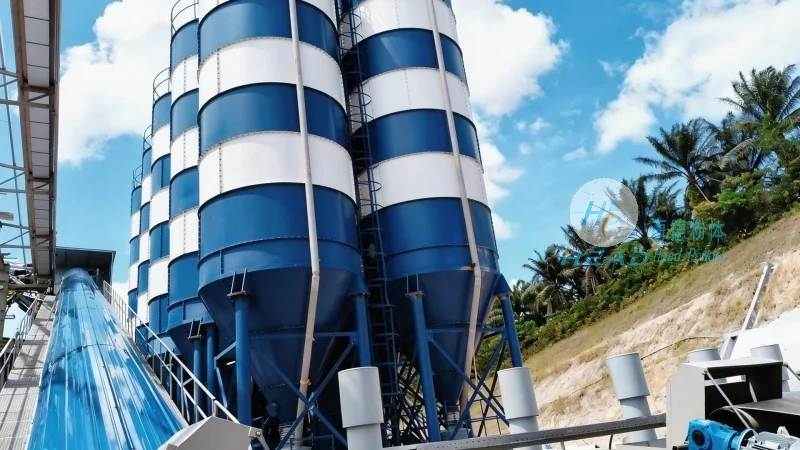
The core of a sodium hydroxide powder material handling system lies in its integrated approach to material transport, storage, and processing. Typically, these systems incorporate several key components, including feeders, conveyors, storage silos, and control units. The process begins with the feeding of NaOH powder from storage silos or bulk containers into the system. A rotary valve or a pneumatic feeder is commonly used to control the flow rate, ensuring a consistent and controlled discharge of the powder. This initial step is critical as it prevents overloading and maintains the integrity of the material.
Once the powder is fed into the system, it is transported through a network of conveyors, which may include screw conveyors, belt conveyors, or pneumatic conveying lines. The choice of conveyor type depends on the specific application requirements, such as the distance to be covered and the desired flow rate. For example, screw conveyors are ideal for short-distance, vertical or horizontal transport, while pneumatic conveying systems are suitable for longer distances or when the powder needs to be transported in a closed loop. The system also includes a series of sensors and control mechanisms to monitor the flow rate, pressure, and temperature, ensuring that the process operates within safe parameters. This real-time monitoring is essential for preventing issues like clogging or overheating, which can occur due to the hygroscopic nature of NaOH powder.
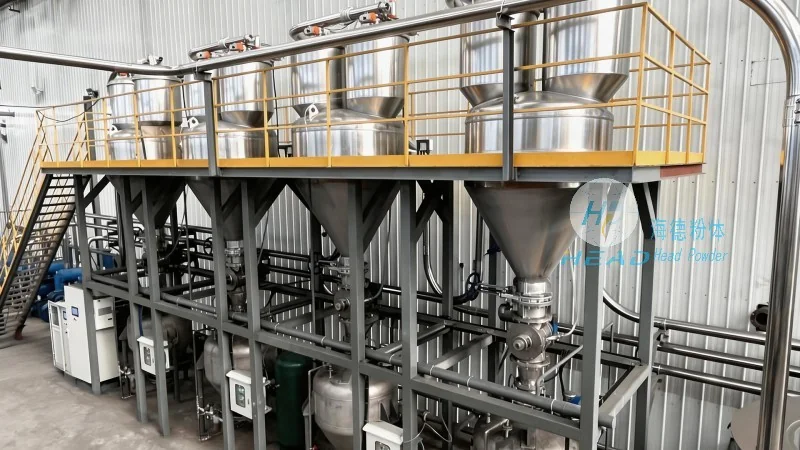
During the transport process, the system may also incorporate dust suppression measures. Sodium hydroxide is a fine powder that can generate dust, which poses health and safety risks. Therefore, many systems are equipped with dust collection and filtration systems to capture and neutralize any airborne particles. This not only protects the environment but also ensures compliance with industrial safety regulations. The control unit, often integrated with a programmable logic controller (PLC), manages all these functions, allowing for automated operation and minimal human intervention. This automation enhances efficiency and reduces the risk of human error, which is particularly important when handling a substance as reactive as sodium hydroxide.
Key Features of Sodium Hydroxide Powder Material Handling Systems
Shandong HeadPowder Engineering Co., Ltd. designs systems that are characterized by several key features, each tailored to address the specific challenges of handling sodium hydroxide powder. One of the primary features is the emphasis on safety. The systems are constructed with materials that are resistant to corrosion and chemical attack, such as stainless steel or specialized alloys, to withstand the caustic nature of NaOH. Additionally, the design incorporates explosion-proof components and emergency shut-off valves to prevent accidents in case of overpressure or fire.
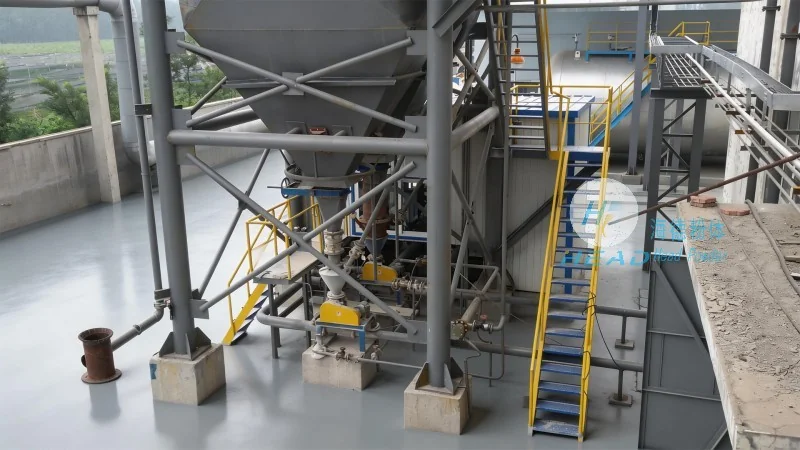
Another significant feature is the system's adaptability. The modular design allows for customization based on the client's specific needs, including the capacity, the type of conveyor, and the storage options. This flexibility enables the system to be scaled up or down as production requirements change, making it a cost-effective solution for various industrial applications. The systems also offer high efficiency, with optimized flow rates and minimal material loss. This is achieved through the use of precision feeders and efficient conveyor designs, which reduce the need for frequent cleaning and maintenance.
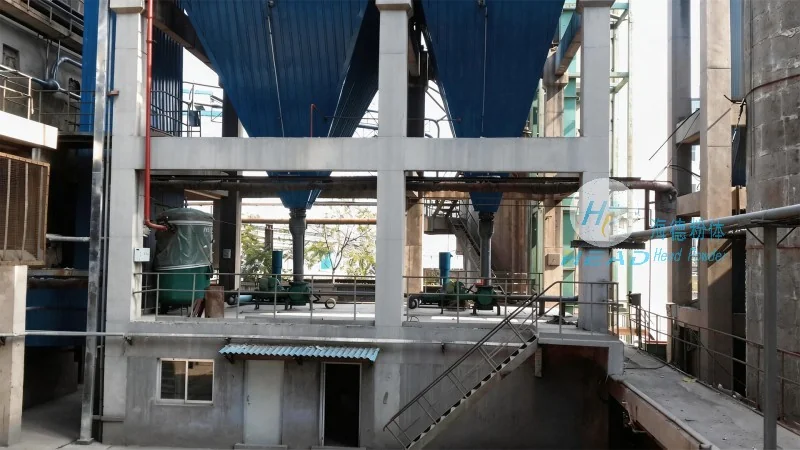
Energy efficiency is another important feature. Many modern systems incorporate energy-saving technologies, such as variable frequency drives (VFDs) for conveyors, which adjust the motor speed based on the load. This not only reduces energy consumption but also extends the lifespan of the equipment. Furthermore, the systems are designed for easy maintenance, with accessible components and clear operational indicators. This reduces downtime and ensures that the system remains operational at optimal levels. The integration of advanced control systems also allows for remote monitoring and diagnostics, enabling quick identification and resolution of any issues that may arise.
Conclusion and Company Overview
In summary, sodium hydroxide powder material handling systems are sophisticated solutions that combine advanced engineering with safety considerations to efficiently manage the unique properties of caustic soda. The working principles, which involve controlled feeding, efficient transport, and real-time monitoring, ensure that the material is handled safely and effectively. The key features, including safety, adaptability, efficiency, and ease of maintenance, make these systems ideal for various industrial applications. Shandong HeadPowder Engineering Co., Ltd., based in Shandong, China, specializes in the design and manufacturing of such systems, leveraging years of experience to deliver high-quality solutions tailored to the needs of their clients. By understanding the working principles and features of these systems, industries can enhance their operational efficiency while maintaining the highest standards of safety and compliance.