

Working Principle and Features of Gypsum Powder Material Handling Equipment
When it comes to efficiently transporting gypsum powder in industrial settings, specialized equipment plays a crucial role in ensuring smooth operations and maintaining product quality. This article delves into the working principle and key features of gypsum powder material handling equipment, providing insights into how these systems operate and the advantages they offer to businesses in the construction and industrial sectors.
Introduction to Gypsum Powder Handling Equipment
Gypsum powder, a widely used material in construction, manufacturing, and other industries, requires reliable and efficient handling solutions to meet production demands. The equipment designed for this purpose is engineered to handle the unique properties of gypsum powder, such as its fine particle size, moisture sensitivity, and flow characteristics. By understanding the working principle and features of these systems, users can make informed decisions about selecting the right equipment for their specific applications.
Working Principle of Gypsum Powder Material Handling Equipment
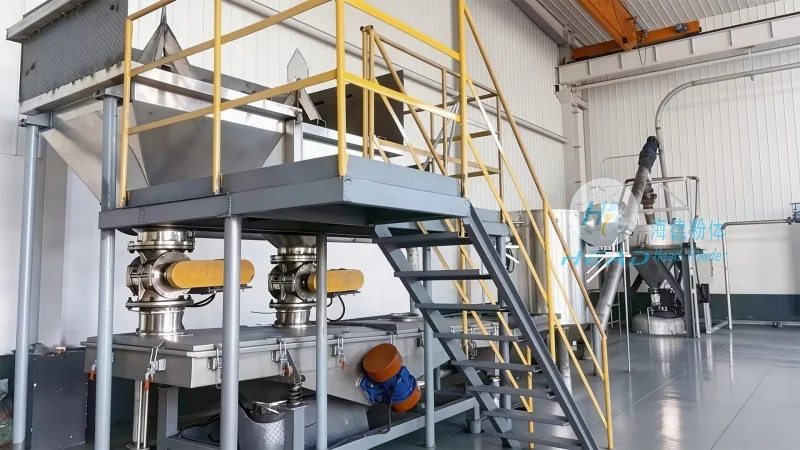
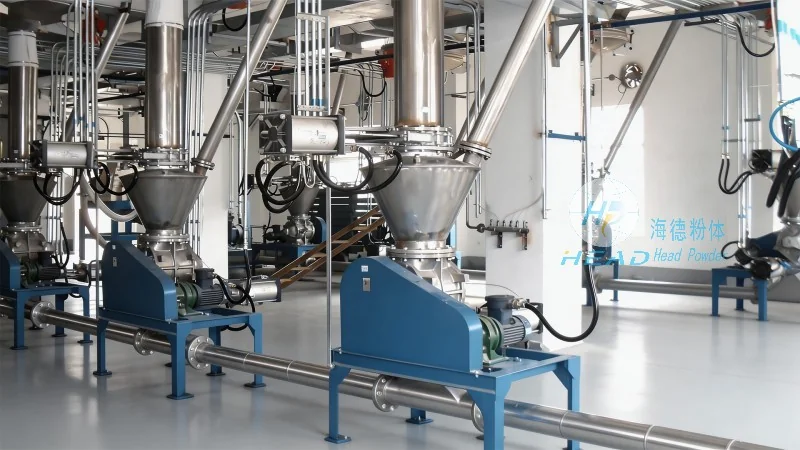
The core working principle of gypsum powder material handling equipment revolves around the efficient transfer of material from one point to another while maintaining product integrity. These systems typically consist of several components, including feeders, conveyors, and control mechanisms, all working in tandem to achieve seamless material movement. The process begins with the feeding of gypsum powder into the system, where it is then transported through a series of mechanisms designed to handle the material's characteristics. For instance, many systems use screw conveyors or pneumatic conveyors to move the powder, depending on the specific requirements of the application. The feeders are responsible for controlling the flow rate of the gypsum powder, ensuring a consistent and controlled supply to the conveyor system. The conveyors then transport the material to the desired destination, such as storage silos, processing units, or packaging areas. Control mechanisms, often integrated with sensors and automation systems, monitor the flow and adjust parameters as needed to maintain optimal performance. This integrated approach ensures that the gypsum powder is handled safely and efficiently, minimizing the risk of clogging, blockages, or material degradation.
Key Features of Gypsum Powder Material Handling Equipment
Several key features distinguish high-quality gypsum powder material handling equipment, making them suitable for demanding industrial environments. One of the most important features is the ability to handle fine, powdery materials without causing excessive wear or degradation. This is achieved through the use of specialized materials for the conveyor components, such as stainless steel or corrosion-resistant alloys, which resist the abrasive nature of gypsum powder. Another critical feature is the system's ability to maintain low moisture content in the material, as excessive moisture can lead to clumping and reduced flowability. Advanced equipment often incorporates drying or moisture control mechanisms to ensure the powder remains in a dry, free-flowing state. Additionally, the equipment is designed for easy maintenance and cleaning, which is essential for preventing contamination and ensuring long-term operational efficiency. The modular design of many systems allows for easy disassembly and cleaning of components, reducing downtime and maintenance costs. Furthermore, modern gypsum powder handling equipment often includes automation and monitoring capabilities, enabling real-time tracking of material flow and system performance. This allows operators to quickly identify and address any issues, such as blockages or abnormal flow rates, before they escalate into major problems. The integration of sensors and control systems also enhances safety, as the equipment can automatically shut down in case of overloads or other hazardous conditions.
Applications and Benefits of Gypsum Powder Handling Equipment
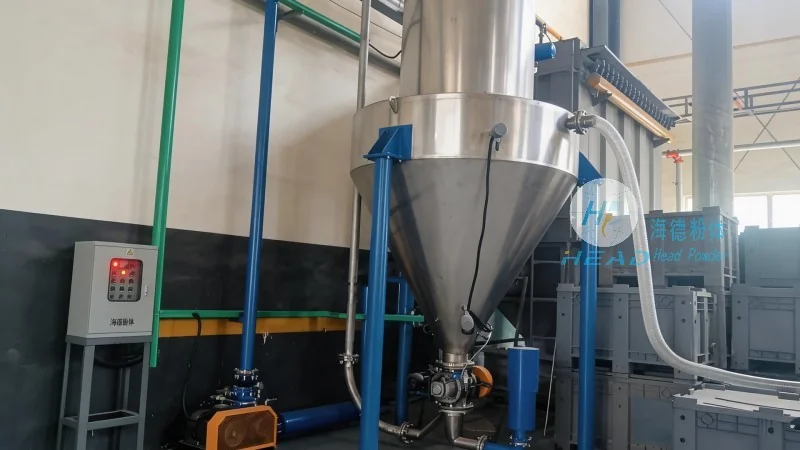
Gypsum powder material handling equipment is widely used in various industries, including construction, where it is used in the production of drywall, plaster, and other building materials. In manufacturing, it is utilized in the production of gypsum-based products, such as ceiling tiles and decorative elements. The equipment is also employed in the agricultural sector, where gypsum is used as a soil amendment to improve soil structure and fertility. The benefits of using specialized equipment for gypsum powder handling are significant, as it improves operational efficiency, reduces material waste, and enhances product quality. By ensuring consistent flow rates and preventing material degradation, these systems help businesses maintain high standards of production and meet customer demands. Additionally, the use of advanced equipment reduces labor costs and minimizes the risk of accidents, contributing to a safer and more productive work environment. The reliability of these systems also leads to lower maintenance costs over time, as they are designed to withstand the rigors of continuous operation in industrial settings.
Conclusion
In conclusion, gypsum powder material handling equipment is a critical component in industries that rely on this versatile material. The working principle of these systems, which involves efficient material transfer through specialized components and control mechanisms, ensures that gypsum powder is handled safely and effectively. The key features, such as corrosion-resistant materials, moisture control, and automation capabilities, make these systems suitable for demanding applications. By understanding the principles and features of gypsum powder handling equipment, businesses can select the right solution to meet their specific needs, improving operational efficiency and product quality. As the demand for gypsum powder continues to grow, the importance of reliable material handling systems will only increase, making them an essential investment for any industry that uses this valuable material.