

Common Dry Material Conveying Methods and the Advantages of HeadPowder's Pneumatic Conveying System
When it comes to transporting dry materials efficiently and reliably, various methods are available in the industry. Understanding the different approaches and their respective benefits is crucial for selecting the most suitable solution for specific applications. This article explores common dry material conveying methods and highlights the advantages of HeadPowder's pneumatic conveying system, a leading solution from Shandong HeadPowder Engineering Co., Ltd. based in China.
Overview of Common Dry Material Conveying Methods
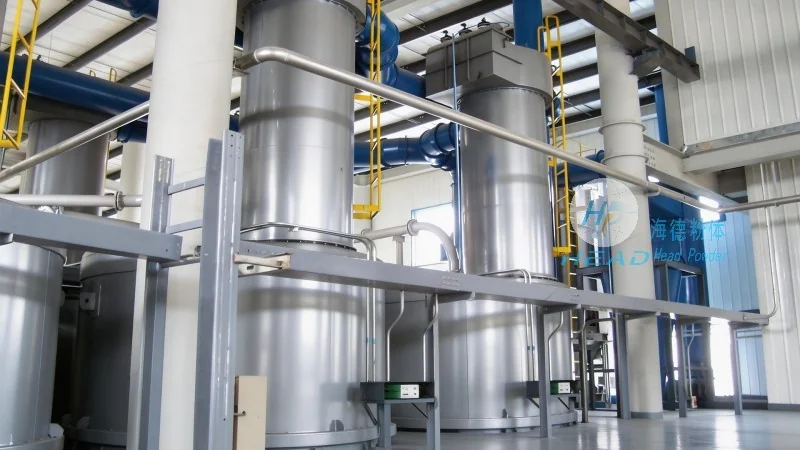
Dry material conveying is essential in many industries, including food processing, pharmaceuticals, chemicals, and bulk material handling. The primary goal is to move powders, granules, and other dry substances from one location to another without degradation or loss. Several conventional methods are widely used, each with its own set of advantages and limitations.
1. Belt Conveyors
Belt conveyors are one of the most common and versatile dry material conveying systems. They consist of a continuous belt that moves over rollers or pulleys, transporting materials from the loading point to the discharge point. This method is particularly effective for transporting bulk materials over short to medium distances and is widely used in mining, agriculture, and manufacturing. Belt conveyors are known for their simplicity, low maintenance, and ability to handle a wide range of materials, including those with varying sizes and shapes. However, they may not be suitable for high-precision applications or materials that are prone to segregation or degradation due to the mechanical contact with the belt.
2. Screw Conveyors
Screw conveyors, also known as auger conveyors, use a rotating screw or helical blade to move dry materials along a tube or trough. This method is ideal for transporting materials that are free-flowing and non-abrasive. Screw conveyors are commonly used in industries such as food processing, where they can handle powders and granules without causing contamination. They are also effective for vertical or inclined transport, making them suitable for applications where space is limited. The main advantages of screw conveyors include their compact design, low power consumption, and ability to handle materials with different moisture contents. However, they may experience wear and tear on the screw and trough, especially with abrasive materials, and can be less efficient for high-volume or long-distance transport.
3. Pneumatic Conveying Systems
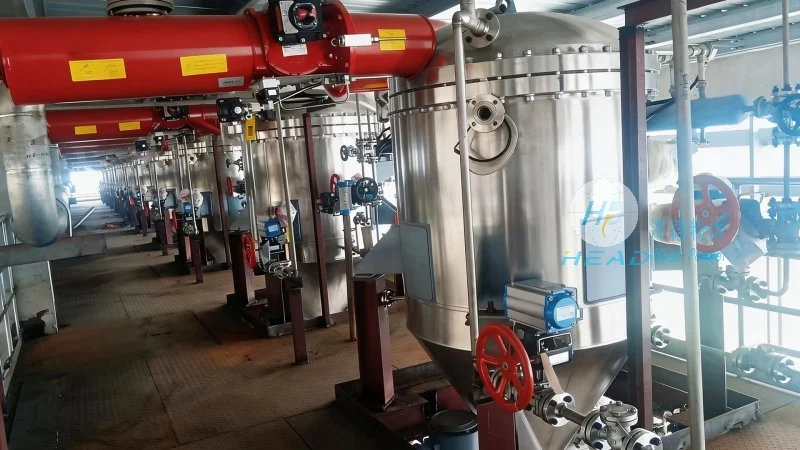
Pneumatic conveying, or air conveying, is a method that uses compressed air to transport dry materials through a pipeline. This technology is highly effective for handling fine powders, granules, and other dry substances that are difficult to transport using mechanical systems. Pneumatic conveying systems can be categorized into two main types: pressure and vacuum systems. HeadPowder's pneumatic conveying system is a sophisticated solution that combines advanced technology with robust engineering to deliver superior performance in various industrial applications.
Advantages of HeadPowder's Pneumatic Conveying System
HeadPowder, a leading manufacturer of dry material handling equipment based in Shandong, China, offers a range of pneumatic conveying systems that are designed to meet the diverse needs of modern industries. The company's expertise in engineering and material handling has led to the development of systems that offer several key advantages over traditional methods.
1. High Efficiency and Reliability
HeadPowder's pneumatic conveying systems are engineered for high efficiency and reliability, ensuring consistent and continuous material transport. The use of advanced control systems and high-quality components minimizes downtime and maximizes productivity. The system's ability to handle a wide range of materials, including fine powders and abrasive substances, without degradation or loss makes it an ideal choice for industries where material quality is critical. For example, in the food and pharmaceutical industries, where product purity is paramount, HeadPowder's system ensures that materials are transported without contamination or particle breakdown.
2. Versatility and Adaptability
One of the standout features of HeadPowder's pneumatic conveying system is its versatility. The system can be customized to suit various applications, from short-distance transport to long-distance conveying over several hundred meters. It can handle materials with different properties, such as varying particle sizes, moisture content, and flowability. The modular design of the system allows for easy integration with existing production lines and expansion as the business grows. This adaptability makes it a flexible solution for industries that require changes in production volume or material types over time.
3. Low Maintenance and Cost-Effective
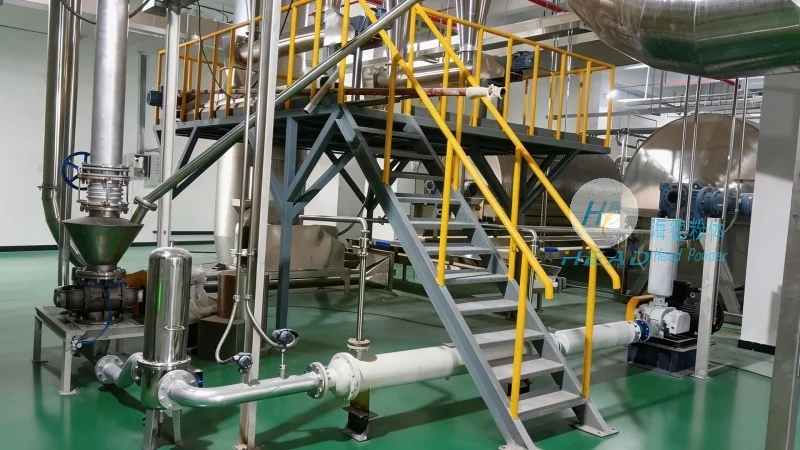
HeadPowder's pneumatic conveying system is designed with low maintenance in mind, reducing operational costs and increasing the system's lifespan. The use of high-quality materials and robust construction minimizes wear and tear, resulting in lower maintenance requirements compared to traditional mechanical systems. The system's energy efficiency also contributes to long-term cost savings, as it consumes less power while delivering high performance. For businesses looking to optimize their operational expenses, HeadPowder's system offers a cost-effective solution without compromising on performance or reliability.
4. Environmental and Safety Benefits
HeadPowder's pneumatic conveying system provides significant environmental and safety benefits. Unlike mechanical systems that may generate dust and noise, the pneumatic system operates quietly and with minimal dust emissions, contributing to a safer and more pleasant working environment. The enclosed pipeline design prevents material spillage and contamination, reducing the risk of accidents and health hazards. Additionally, the system's ability to handle hazardous materials safely makes it suitable for industries where material safety is a top priority. By minimizing dust and noise pollution, HeadPowder's system helps businesses comply with environmental regulations and improve overall workplace safety.
Conclusion
In conclusion, the choice of dry material conveying method depends on various factors, including the type of material, distance, and industry requirements. While traditional methods like belt and screw conveyors have their place, pneumatic conveying systems, particularly those from HeadPowder, offer superior advantages in terms of efficiency, versatility, and cost-effectiveness. Shandong HeadPowder Engineering Co., Ltd., with its headquarters in China, has established itself as a trusted provider of high-quality pneumatic conveying systems that meet the demanding needs of modern industries. By leveraging advanced technology and robust engineering, HeadPowder continues to deliver innovative solutions that enhance productivity and ensure the safe and reliable transport of dry materials.