

Working Principle and Features of Ammonium Chloride Material Pneumatic Conveying Line
Ammonium chloride, a widely used chemical compound in various industrial applications, often requires efficient and reliable material handling solutions. The pneumatic conveying line designed for handling ammonium chloride offers a sophisticated approach to transporting this material, ensuring safety, efficiency, and minimal environmental impact. This article explores the working principle and key features of such a system, highlighting how it addresses the unique challenges associated with transporting ammonium chloride.
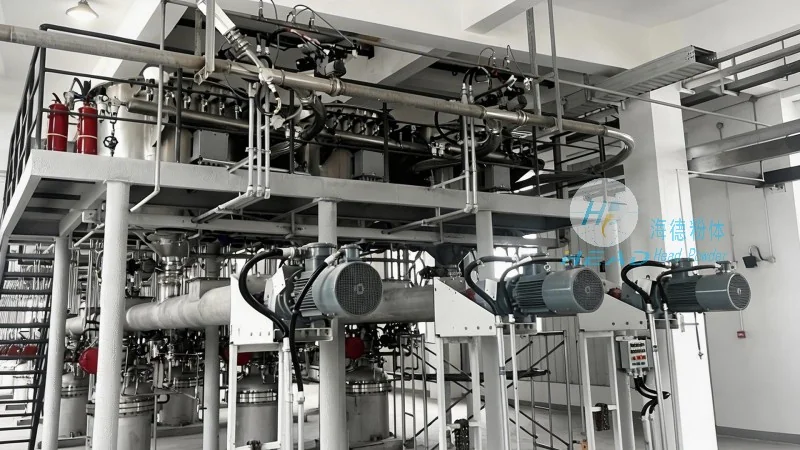
Overview of Ammonium Chloride Pneumatic Conveying Systems
Ammonium chloride (NH₄Cl) is a white crystalline solid commonly used in fertilizers, food processing, and chemical manufacturing. Due to its hygroscopic nature and potential dust explosion risks, traditional bulk material handling methods may not be suitable. Pneumatic conveying systems provide an effective solution by utilizing air to transport the material in a sealed environment, reducing exposure to moisture and preventing dust dispersion. The system typically consists of a hopper, conveyor line, and control unit, all designed to handle the specific properties of ammonium chloride.
The Working Principle of Ammonium Chloride Pneumatic Conveying
The core mechanism of an ammonium chloride pneumatic conveying line involves the use of compressed air to move the material from the source to the destination. There are two primary types of pneumatic conveying: pressure (or positive pressure) conveying and suction (or negative pressure) conveying. In pressure conveying, air is introduced into the system under pressure, pushing the material through the pipeline. This method is ideal for short to medium distances and when the material is stored in a silo or hopper. Suction conveying, on the other hand, uses a vacuum to draw the material into the system, making it suitable for longer distances or when the material is located in a lower elevation.
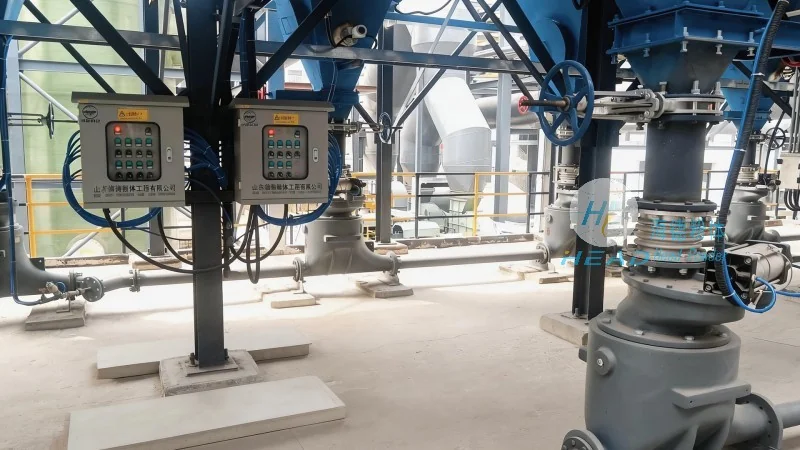
For ammonium chloride, the system often employs a combination of both methods or a dedicated pressure system to maintain consistent flow rates and prevent clogging. The process begins with the material being fed into the hopper, where it is then drawn or pushed into the conveying line by the air flow. The air velocity is carefully controlled to ensure the material is carried without causing excessive wear on the system components. This controlled air velocity also minimizes the risk of dust generation and ensures the material remains in a stable state during transport.
Key Features and Advantages of the System
The ammonium chloride pneumatic conveying line from Shandong HeadPowder Engineering Co., Ltd. (headpowder) is engineered with several key features that enhance its performance and reliability. One of the primary advantages is its ability to handle hygroscopic materials like ammonium chloride without the risk of moisture absorption or caking. The sealed system prevents exposure to ambient air, maintaining the material's quality and preventing degradation.
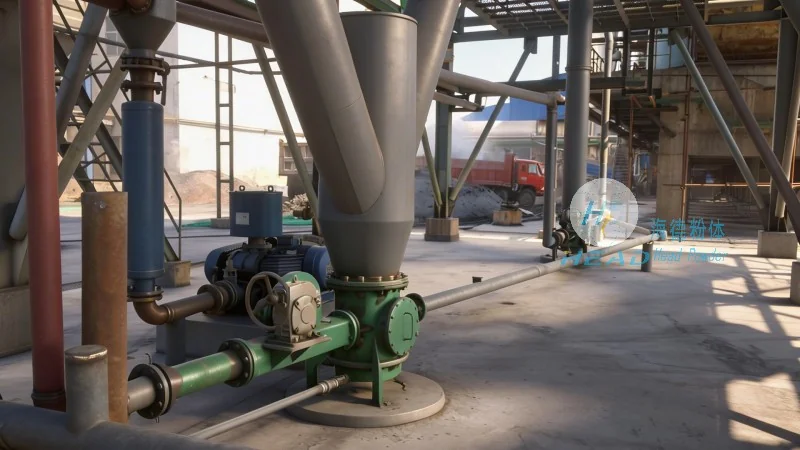
Another critical feature is the system's safety design. Ammonium chloride is a dust explosion hazard, and the pneumatic conveying line incorporates explosion-proof components and proper ventilation to mitigate these risks. The use of positive pressure in the system ensures that any potential dust clouds are contained and directed away from ignition sources, adhering to industry safety standards.
Efficiency is a significant benefit of this technology. Compared to traditional methods like bucket elevators or belt conveyors, pneumatic conveying offers higher throughput and lower maintenance costs. The system's ability to transport material in a continuous flow reduces downtime and increases overall productivity. Additionally, the compact design of the conveying line allows for flexible installation in various industrial settings, making it suitable for both new and existing facilities.
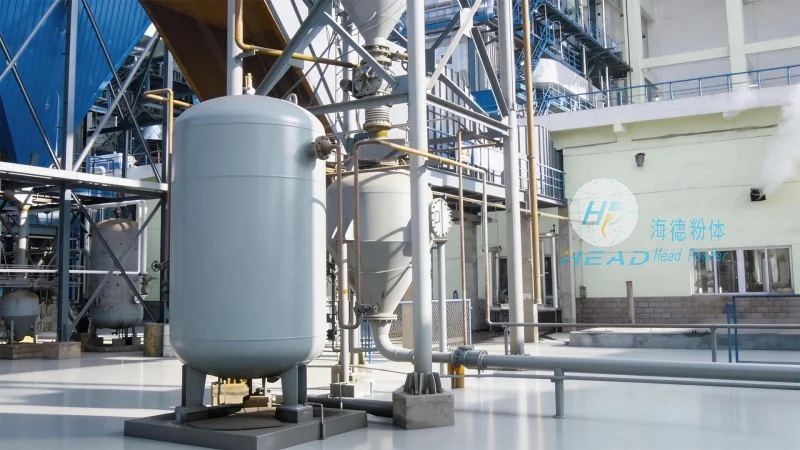
Application and Customization
The ammonium chloride pneumatic conveying system is versatile and can be customized to meet specific operational requirements. Whether for small-scale laboratory use or large-scale industrial production, the system can be adjusted to handle varying material flow rates and distances. The company, Shandong HeadPowder Engineering Co., Ltd., offers tailored solutions that integrate seamlessly with existing production lines, ensuring minimal disruption during implementation.
Customization options include the selection of appropriate air compressors, pipeline materials (such as stainless steel or special coatings to resist corrosion from ammonium chloride), and control systems. These adjustments ensure the system operates efficiently while maintaining the integrity of the material and the safety of the operation.