

Working Principle and Features of Powder Material Pneumatic Conveying Equipment
Shandong HeadPowder Engineering Co., Ltd., a leading manufacturer in the field of material handling solutions, specializes in the design, production, and supply of advanced pneumatic conveying systems. These systems are crucial for efficiently transporting bulk materials like powders, granules, and fine particles in various industrial applications. The company's expertise lies in developing customized solutions that meet the specific needs of clients across different industries, ensuring optimal performance and reliability.
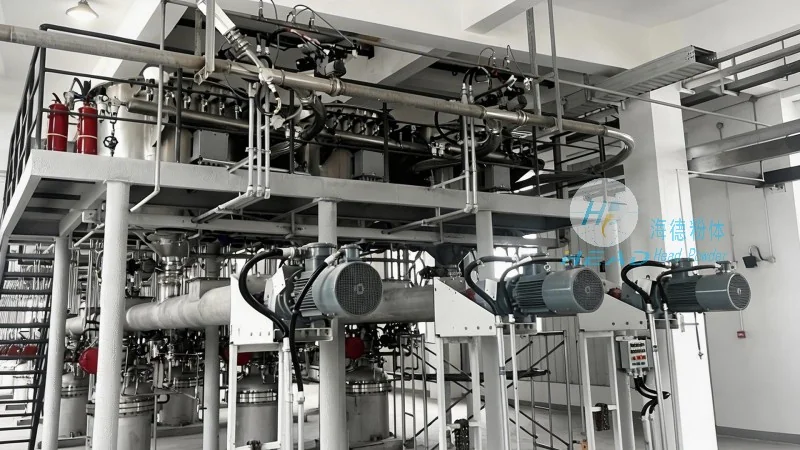
Working Principle of Pneumatic Conveying Systems
The core of a pneumatic conveying system is the method by which materials are transported using air or gas as the conveying medium. The process typically involves a few key components: a material hopper or feeder, a conveyor line (either positive or negative pressure), and a receiver or discharge point. The working principle can be broken down into the following steps:
1. Material Loading: The bulk material is fed into the system from a hopper or storage silo. The feeder controls the flow rate to maintain a consistent supply to the conveyor line.
2. Air Intake and Compression: A fan or blower generates the necessary air pressure and flow rate. In positive pressure systems, air is forced through the conveyor line, carrying the material particles along. In negative pressure (or vacuum) systems, air is drawn out, creating a vacuum that pulls the material into the line.
3. Material Transport: The air stream transports the material particles through the pipeline. The velocity of the air must be sufficient to keep the particles suspended and prevent them from settling or clogging the line. The design of the pipeline, including bends, elbows, and expansion joints, is critical to ensure smooth transport without loss of material or air pressure.
4. Discharge and Material Separation: At the end of the conveyor line, the material is discharged into a receiver or storage container. The air is then separated from the material, often using cyclones or filters, and either released back into the system or vented to the atmosphere. This separation step is essential to maintain the purity of the conveyed material and to recover the conveying air for reuse.
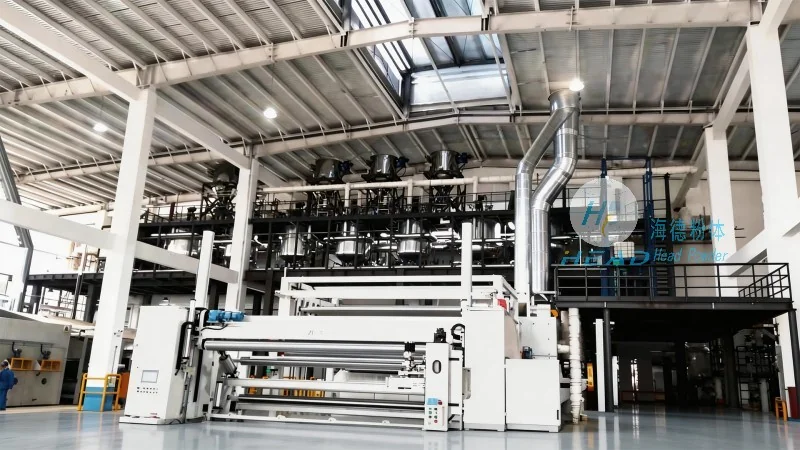
Key Features of Powder Material Pneumatic Conveying Equipment
Shandong HeadPowder Engineering Co., Ltd.'s pneumatic conveying equipment is designed with several key features that enhance performance, efficiency, and reliability:
1. Customizable Design: The company offers tailored solutions based on the specific characteristics of the material being conveyed, such as particle size, density, and moisture content. This customization ensures that the system operates at its optimal efficiency, minimizing energy consumption and wear on components.
2. Energy Efficiency: Modern pneumatic conveying systems are engineered to be energy-efficient. By optimizing the air flow rate and pressure, the system reduces energy costs while maintaining the required transport capacity. The use of high-efficiency fans and proper system sizing contributes to lower operational expenses.
3. Low Maintenance Requirements: The design of the equipment minimizes the need for frequent maintenance. High-quality materials are used for the conveyor lines and components, reducing the risk of wear and tear. Additionally, the system's modular design allows for easy replacement of parts, reducing downtime and maintenance costs.
4. Hygienic and Clean Operation: For industries where material purity is critical, such as food, pharmaceuticals, and chemicals, the equipment is designed to be hygienic. The use of smooth, easy-to-clean surfaces and sealed components prevents contamination and ensures compliance with industry standards.
5. Flexibility and Scalability: The systems can be easily expanded or modified to accommodate changes in production volume or material types. This flexibility allows clients to adapt to evolving business needs without the need for a complete system overhaul.
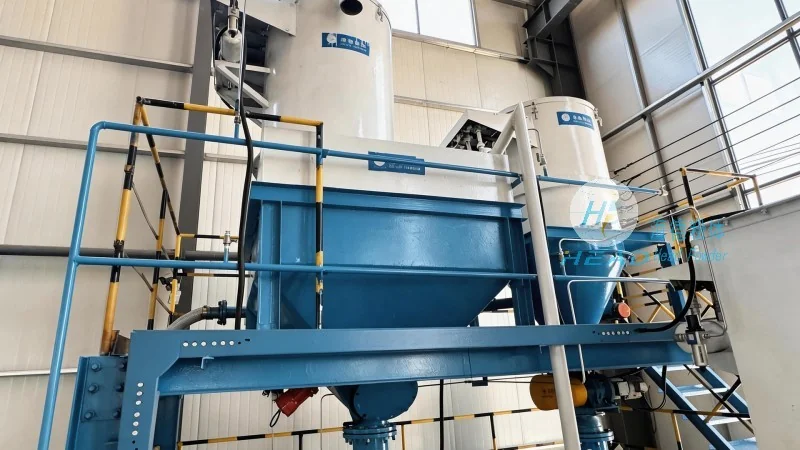
Applications and Benefits
Powder material pneumatic conveying equipment is widely used in various industries, including chemical processing, food and beverage, pharmaceuticals, and mining. The benefits of using this technology include:
1. Reduced Downtime: By eliminating the need for manual handling and reducing the risk of material spillage, the system minimizes downtime and improves overall operational efficiency.
2. Improved Safety: The enclosed system prevents dust emissions and reduces the risk of accidents associated with manual material handling, creating a safer working environment.
3. Enhanced Product Quality: The enclosed and controlled environment ensures that the material remains clean and free from contamination, maintaining product quality throughout the transport process.
4. Space Efficiency: The compact design of the equipment allows for installation in limited spaces, making it suitable for facilities with space constraints.