

Principle and Working Scene Characteristics of Colored Sand Pneumatic Conveying Lines
Colored sand, as a critical material in construction and decorative industries, demands efficient and reliable transportation solutions to preserve quality and enhance productivity. The colored sand pneumatic conveying line, engineered by Shandong HeadPowder Engineering Co., Ltd. based in China, integrates advanced pneumatic transport principles with practical application scenarios. This article delves into the core operational principles of these systems and highlights the unique characteristics that make them suitable for diverse working environments.
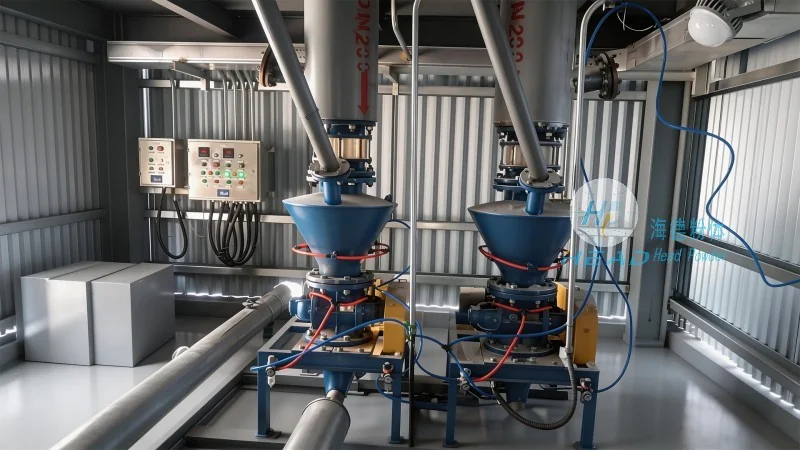
Principle of Colored Sand Pneumatic Conveying
The fundamental principle of a colored sand pneumatic conveying line is the utilization of air as the medium to transport granular materials. This technology operates by establishing a pressure differential between the system's inlet and outlet, either through positive pressure (air blown under pressure) or negative pressure (vacuum creation). In a typical configuration, colored sand is fed into a hopper or feeder, where it is then introduced into a pipeline. The air, supplied by a blower or vacuum pump, propels the sand particles through the pipe, ensuring consistent and controlled transport. Key components include the material feeder, air compressor/vacuum pump, conveying pipes, and a separation unit that collects the sand and recirculates the air. This closed-loop design minimizes dust emissions and maintains material integrity, which is vital for colored sand used in decorative applications.
Working Scene Characteristics of Colored Sand Pneumatic Conveying Lines
The application scenarios of colored sand pneumatic conveying lines are diverse, reflecting their adaptability to various industrial and construction needs. In the building materials sector, these systems are widely employed in the production of decorative concrete, terrazzo, and architectural facades. The ability to transport colored sand from storage silos to mixing plants or production lines with minimal manual handling boosts efficiency and reduces labor costs. For instance, in a terrazzo manufacturing facility, the pneumatic line can deliver different colored sand blends to the mixing area, ensuring precise color matching and uniform particle distribution in the final product.
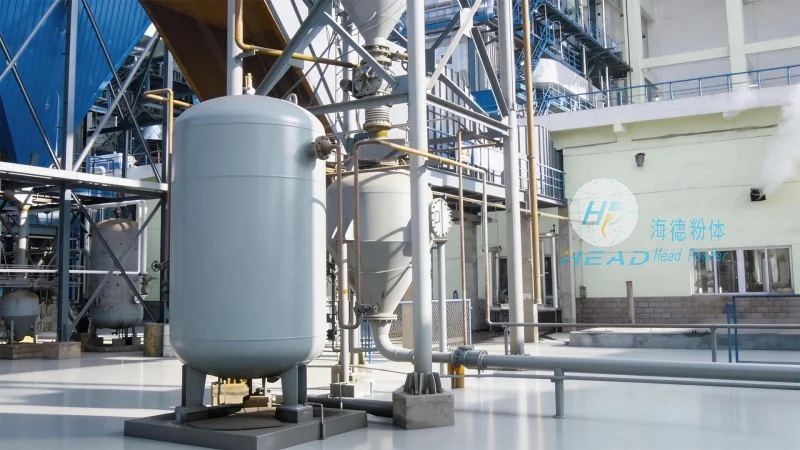
In the paint and coating industry, colored sand serves as an additive to enhance the aesthetic and durability of paints. The pneumatic conveying system allows seamless integration of colored sand into the production process, from raw material storage to mixing and packaging stages. This method is particularly advantageous in large-scale paint manufacturing plants, where consistent material flow and low contamination are critical. The system's capability to handle fine to medium-sized sand particles without clogging pipes makes it ideal for maintaining product quality and reducing downtime.
Another significant application is in industrial coating and finishing processes. Companies involved in metal or plastic surface treatment often require colored sand for abrasive blasting or decorative coating applications. The pneumatic conveying line provides a clean and efficient way to transport these materials to the blasting or coating stations. By eliminating manual handling and open-air transport, the system reduces the risk of dust inhalation and improves workplace safety. Additionally, the closed system helps maintain color consistency of the sand, essential for achieving uniform coating results.
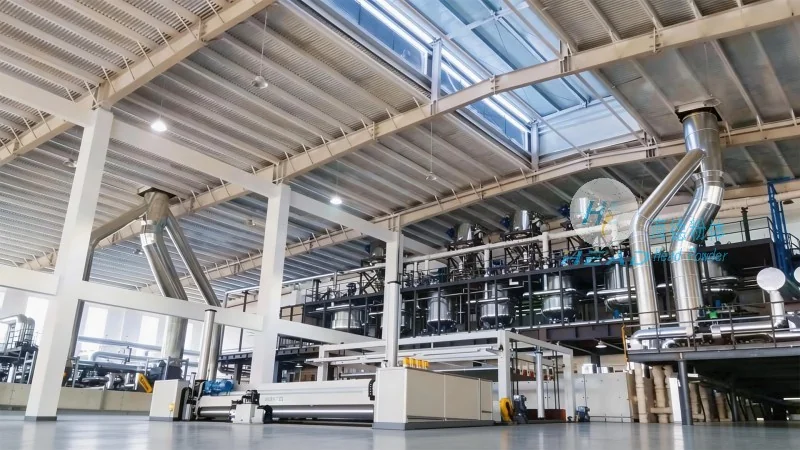
Advantages in Diverse Working Environments
Across different working environments, the colored sand pneumatic conveying line offers several advantages that contribute to its widespread adoption. One primary benefit is the reduction of dust and contamination, crucial for maintaining the quality of colored sand used in high-end decorative applications. Unlike traditional belt or bucket elevators, the pneumatic system operates in a sealed environment, preventing fine particle escape and ensuring material remains clean and free from foreign substances. This is especially important for colored sand used in architectural finishes, where even minor impurities can affect appearance and longevity.
Efficiency and flexibility are also key characteristics. The ability to adjust air pressure and flow rate allows operators to control material transport speed and volume, adapting to varying production demands. For example, during peak production periods, the system can be optimized for higher colored sand volumes, while during maintenance or low-demand periods, it can operate at reduced capacity without significant performance loss. This flexibility suits both continuous and intermittent production schedules common in manufacturing and construction settings.
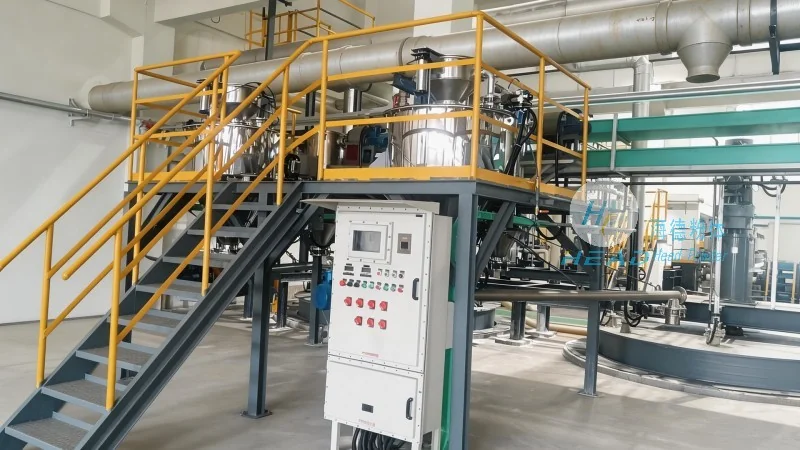
Furthermore, the compact design of the colored sand pneumatic conveying line makes it ideal for facilities with limited space. Unlike large, bulky conveyors requiring extensive floor space, the pneumatic system can be installed vertically or horizontally, efficiently utilizing vertical space. This is particularly beneficial in urban or industrial areas where land availability is a constraint. The system's modular components also facilitate easy installation and maintenance, reducing overall downtime and operational costs for the facility.
Conclusion
Shandong HeadPowder Engineering Co., Ltd., headquartered in Shandong, China, has developed colored sand pneumatic conveying lines that leverage advanced pneumatic transport principles to meet diverse industry needs. By integrating efficient material handling with environmental considerations, these systems provide a reliable solution for transporting colored sand in various working scenarios. Whether used in building materials production, paint manufacturing, or industrial coating applications, the advantages of these systems—such as reduced dust, enhanced efficiency, and flexible operation—make them a preferred choice for companies seeking to optimize material transport processes. As the demand for high-quality colored sand grows, the technology behind these pneumatic conveying lines remains a critical component in ensuring consistent and sustainable production across different sectors.