

Principle and Working Scene Characteristics of River Sand Material Handling Systems
HeadPowder, a leading engineering company based in Shandong, China, specializes in the design and implementation of efficient material handling solutions. This article delves into the fundamental principles of river sand material handling systems and highlights key working scene characteristics that define their operational effectiveness.
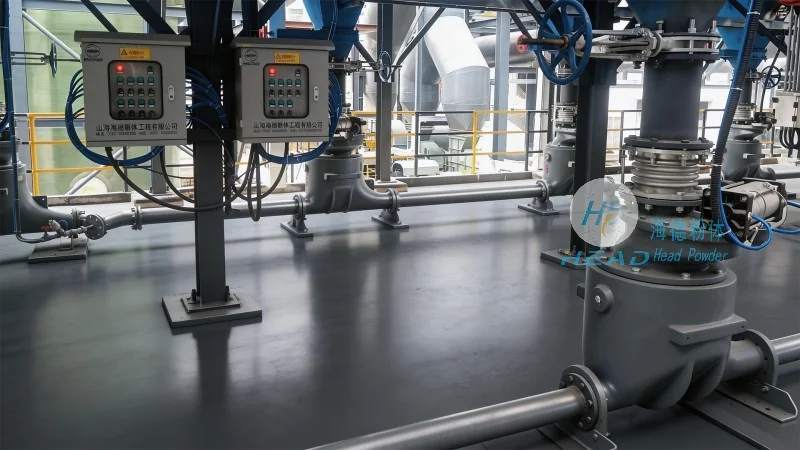
Company Overview
HeadPowder Engineering Co., Ltd. is a professional manufacturer and supplier of material handling equipment. With a strong presence in Shandong, China, the company focuses on delivering high-quality solutions tailored to the needs of the construction and mining industries. Their expertise lies in optimizing material transport processes, ensuring reliability and efficiency in handling river sand—a critical component in various construction applications.
Principle of River Sand Material Handling Systems
River sand material handling systems are engineered to transport sand from its source to processing or construction sites. The core principle involves the use of specialized equipment such as conveyors, pumps, and transport vehicles. These systems leverage mechanical energy to move sand through pipelines or open channels, minimizing manual labor and enhancing operational speed. The design typically incorporates components like hopper feeders, conveyor belts, and control mechanisms to ensure consistent flow and prevent material blockages. By integrating advanced engineering techniques, these systems achieve high throughput rates while maintaining material quality and minimizing environmental impact.
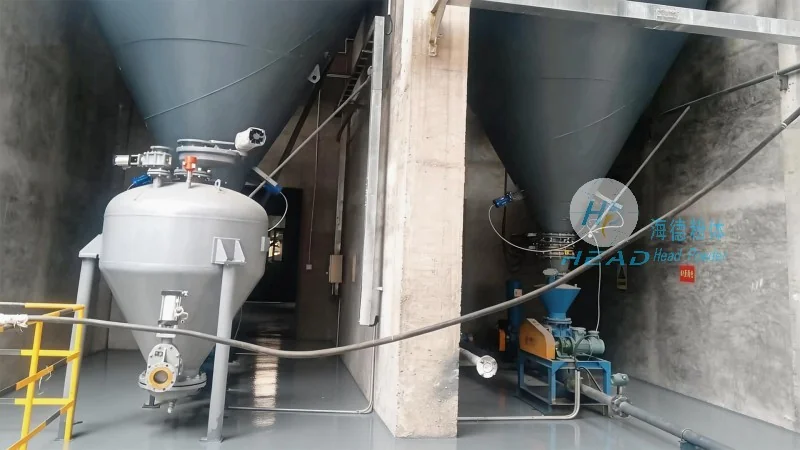
Working Scene Characteristics
The working scene characteristics of river sand material handling systems are shaped by several factors, including the nature of the material, site conditions, and operational requirements. River sand, being a granular material with varying particle sizes, demands systems that can handle diverse flow rates and prevent segregation. The systems are often deployed in both indoor and outdoor environments, from construction sites to industrial processing plants. Key characteristics include adaptability to different terrain, scalability for varying production volumes, and integration with existing infrastructure. Additionally, the systems are designed to operate under varying weather conditions, ensuring continuous operation even in challenging climates. The working scenes may involve multiple stages, such as initial collection, transport, and final delivery, each requiring specialized equipment to optimize efficiency.
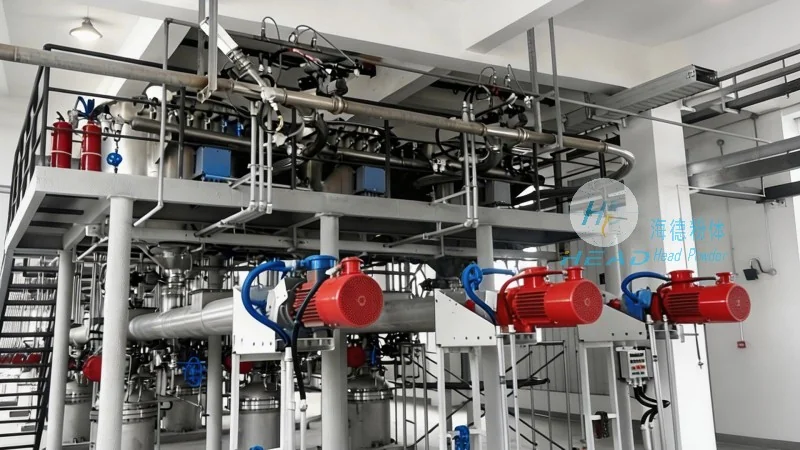
Application Scenarios
River sand material handling systems find extensive applications in the construction industry, where sand is a primary ingredient in concrete and mortar production. The systems are also utilized in mining operations for sand extraction and processing. In urban development projects, these systems facilitate the efficient transport of sand from riverbeds to construction sites, reducing transportation costs and improving project timelines. The adaptability of the systems allows them to be customized for specific project needs, whether it involves short-distance transport within a site or long-distance movement across regions. By addressing the unique challenges of river sand handling, these systems contribute to the overall productivity and sustainability of construction and mining activities.
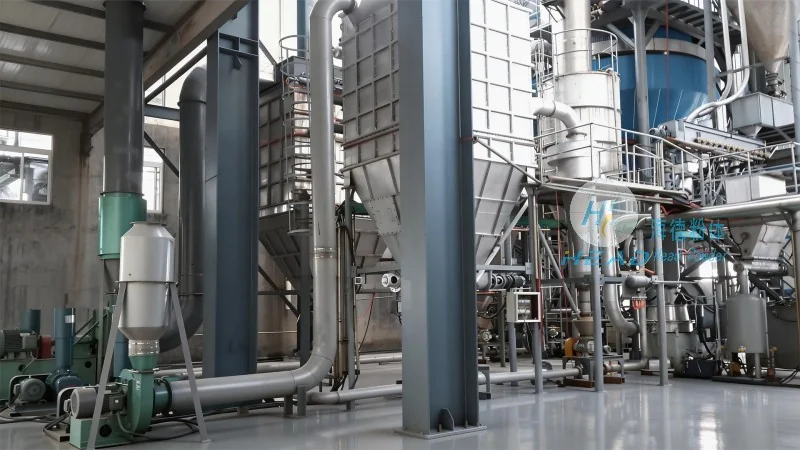
Operational Efficiency and Advantages
The operational efficiency of river sand material handling systems is a result of their integrated design and advanced control technologies. These systems offer several advantages, including reduced labor costs, minimized material loss, and enhanced safety. The use of automated control systems allows for real-time monitoring and adjustment of flow rates, ensuring optimal performance. Additionally, the systems are designed to minimize environmental impact by reducing dust emissions and controlling noise levels. The reliability of these systems is further enhanced by regular maintenance and quality assurance protocols, ensuring consistent operation over extended periods. For industries relying on consistent sand supply, these systems provide a reliable solution that meets the demands of modern construction and mining projects.
Conclusion
In conclusion, river sand material handling systems represent a sophisticated approach to optimizing material transport in the construction and mining sectors. By understanding the fundamental principles and working scene characteristics, stakeholders can effectively implement and maintain these systems to enhance operational efficiency and productivity. HeadPowder Engineering Co., Ltd. continues to lead in the development of such systems, providing tailored solutions that meet the evolving needs of the industry. The integration of advanced technology and engineering expertise ensures that river sand material handling systems remain a critical component in modern material handling operations.