

Principles and Working Scene Characteristics of Sugar Material Handling Equipment
Efficient and reliable material handling equipment is crucial for the smooth operation of sugar processing facilities. The principles and working scene characteristics of sugar material handling equipment play a vital role in ensuring the quality and safety of the production process. This article explores the fundamental principles behind these systems and highlights the key characteristics that define their performance in various industrial settings.
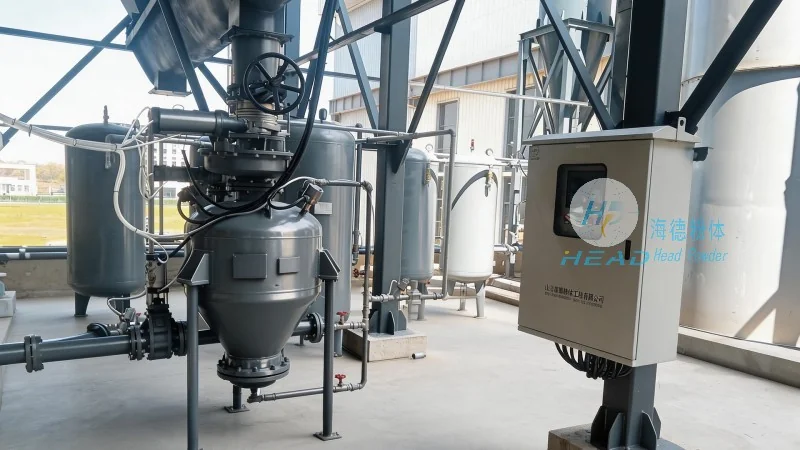
Understanding the Core Principles of Sugar Material Handling Equipment
The operation of sugar material handling equipment is based on several fundamental principles that ensure the safe and efficient transfer of bulk sugar. These principles include gravitational force, mechanical power, and precise control mechanisms. Gravitational force is often utilized in inclined conveyor systems to move sugar from one level to another with minimal energy consumption. Mechanical power, through motors and drives, provides the necessary force to move sugar over horizontal or vertical distances. Precise control systems, such as variable frequency drives (VFDs) and sensors, regulate the speed and direction of the material flow, preventing overloading and ensuring consistent performance.
Key Working Scene Characteristics of Sugar Material Handling Equipment
The working scene characteristics of sugar material handling equipment are tailored to the specific demands of sugar processing environments. These characteristics include high capacity, durability, and adaptability to different sugar types and processing stages. High-capacity systems are essential for handling large volumes of raw or refined sugar, ensuring continuous production without bottlenecks. Durability is a critical factor, as sugar handling equipment is exposed to abrasive materials and harsh conditions, requiring robust construction and materials like stainless steel or heavy-duty plastics. Adaptability allows the equipment to handle various sugar forms, including granulated, powdered, or crystalline sugar, and to integrate seamlessly with existing processing lines.
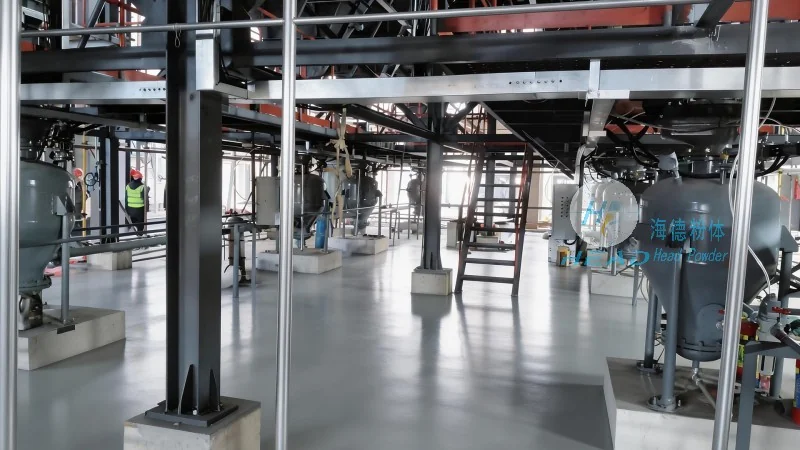
Application Scenarios in Sugar Processing Facilities
Sugar material handling equipment is widely used in different stages of the sugar production process, each with unique requirements. In the raw sugar processing stage, equipment like bucket elevators and belt conveyors transport raw sugar from storage silos to processing units. During refining, equipment such as screw conveyors and pneumatic conveyors transfer refined sugar to packaging areas. In storage facilities, silos and hopper systems are used to store large quantities of sugar, with equipment like rotary valves controlling the release of material. The working scene characteristics in these applications include high speed, low maintenance, and the ability to handle fine or powdery sugar without clogging.
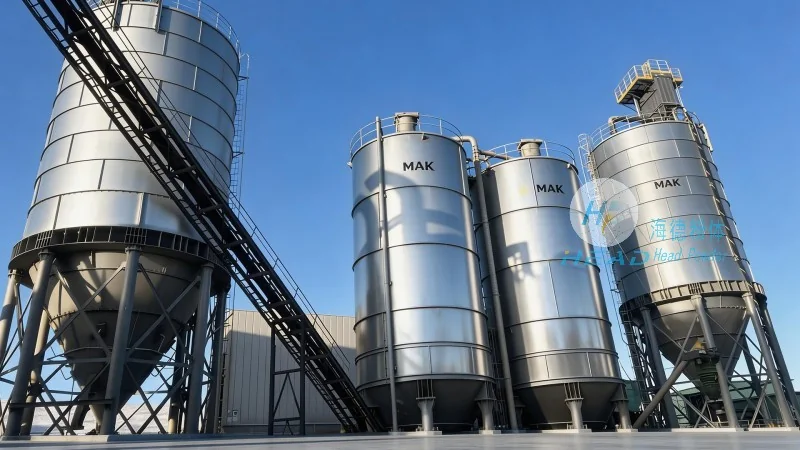
Company Profile: Shandong HeadPowder Engineering Co., Ltd.
Headquartered in Shandong, China, Shandong HeadPowder Engineering Co., Ltd. is a leading manufacturer of industrial material handling solutions. The company specializes in designing and manufacturing equipment tailored to the sugar industry, with a focus on innovation and quality. HeadPowder's expertise in material handling technology ensures that their equipment is reliable, efficient, and compliant with industry standards. The company's commitment to customer satisfaction and technical support has established it as a trusted partner in the sugar industry.
Conclusion: The Importance of Specialized Sugar Material Handling Equipment
In conclusion, the principles and working scene characteristics of sugar material handling equipment are essential for optimizing the performance of sugar processing facilities. By understanding these principles and characteristics, manufacturers and operators can select the most suitable equipment for their specific applications, ensuring high efficiency, safety, and product quality. As the sugar industry continues to evolve, specialized material handling equipment will remain a critical component in maintaining competitive production processes.