

Operation Process and Working Principle of Powdered Pigment Pneumatic Conveying Equipment
Efficient and reliable transportation of powdered pigments is a critical aspect of modern industrial operations, particularly in the manufacturing sectors where precise handling of fine powders is essential. The pneumatic conveying equipment designed for this purpose plays a pivotal role in ensuring smooth material flow, maintaining product integrity, and enhancing overall production efficiency. This article delves into the operation process and working principles of such equipment, providing a comprehensive understanding of how these systems function to meet the demands of pigment processing industries.
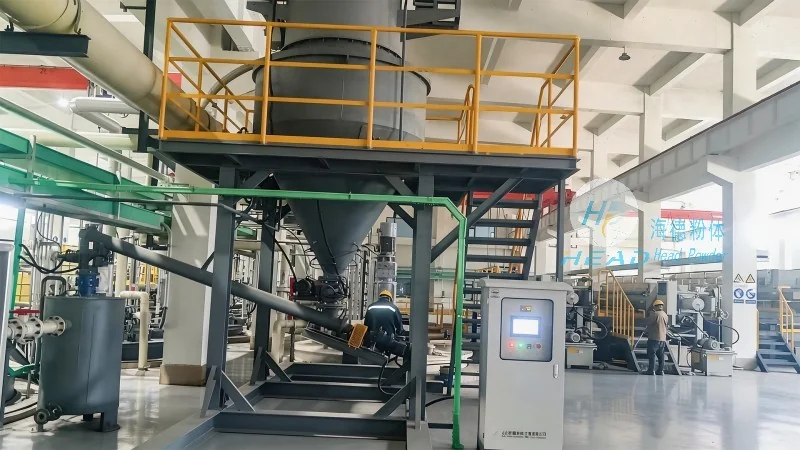
Overview of Pneumatic Conveying Systems for Pigment Powders
Before exploring the detailed operation and working principles, it is essential to understand the fundamental components and purpose of pneumatic conveying systems used in the pigment industry. These systems are engineered to transport dry, fine powders like pigments through a pipeline using air or other gases as the conveying medium. The primary goal is to move the material from a source, such as a storage silo or hopper, to a destination, like a processing unit or packaging area, without the need for mechanical components like belts or buckets. This method offers advantages in terms of cleanliness, speed, and the ability to handle sensitive materials without contamination or degradation.
Key Components of Pigment Powder Pneumatic Conveying Equipment
The effectiveness of a pneumatic conveying system for pigments relies on several key components that work in tandem to facilitate the transport process. These components include the material feed system, the conveying line (pipeline), the air supply system, and the control mechanisms. The material feed system typically consists of a hopper or silo equipped with a feeder, such as a rotary valve or a screw feeder, which regulates the flow of pigment powder into the conveying line. The conveying line is usually made of stainless steel or other corrosion-resistant materials to prevent contamination and ensure durability. The air supply system generates the necessary pressure or vacuum to move the powder through the pipeline, often using a blower or a vacuum pump. Control mechanisms, including pressure sensors and flow meters, monitor the system's performance and adjust the air flow or material feed as needed to maintain optimal operation.
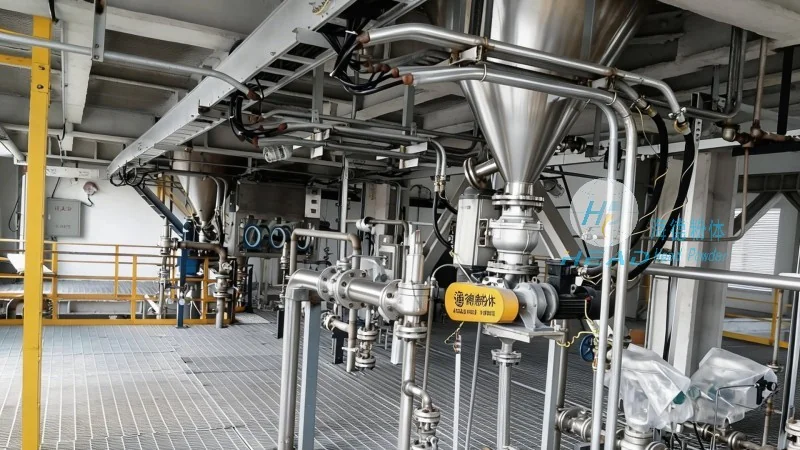
Operation Process of Pigment Powder Pneumatic Conveying
The operation process of a pigment powder pneumatic conveying system involves several sequential steps that ensure the smooth and controlled movement of the material. The process begins with the material being fed from the storage hopper into the feeder. The feeder then regulates the flow rate, ensuring a consistent supply of pigment powder into the conveying line. Simultaneously, the air supply system generates the required pressure or vacuum, which propels the powder particles through the pipeline. As the powder travels through the line, it is suspended in the air stream, allowing it to be transported over long distances without the need for intermediate storage or manual handling. The system may include intermediate cyclones or filters to separate the powder from the air stream at the destination, ensuring that the pigment is deposited accurately and without loss. The entire process is controlled by a central system that monitors parameters like pressure, flow rate, and material level, providing real-time feedback and adjustments to maintain efficiency and prevent system failures.
Working Principles of Pneumatic Conveying for Pigments
The working principles of pneumatic conveying for pigments are based on the fundamental physics of fluid dynamics and particle motion. The system operates by creating a pressure differential or a vacuum within the conveying line, which generates a flow of air or gas that entrains the pigment particles. There are two primary modes of pneumatic conveying: pressure conveying and vacuum conveying. In pressure conveying, a positive pressure is applied at the inlet of the conveying line, pushing the powder through the system. This method is suitable for short to medium distances and is commonly used for transporting pigments from a hopper to a processing unit. In vacuum conveying, a negative pressure is created at the inlet, drawing the powder into the system. This mode is ideal for longer distances or when the material needs to be transported from a lower elevation to a higher one. The efficiency of the conveying process depends on factors such as the particle size, density, and moisture content of the pigment, as well as the air velocity and pressure within the system. Proper design and maintenance of the equipment are crucial to ensure optimal performance and minimize energy consumption.
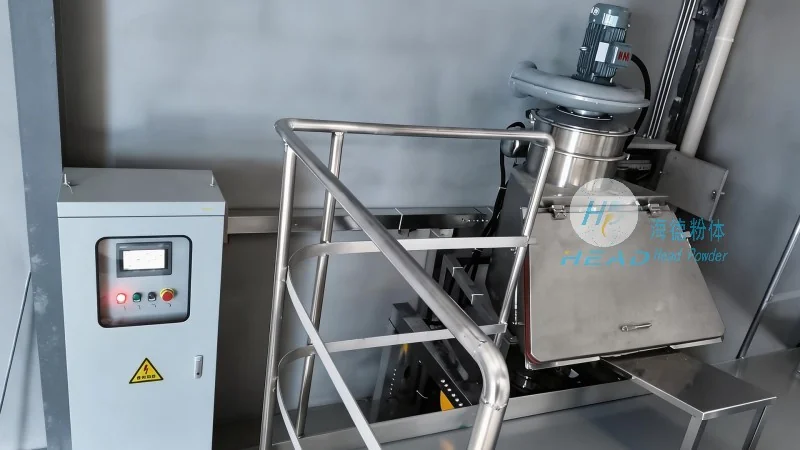
Advantages and Applications in Pigment Processing
Pneumatic conveying equipment for pigments offers several advantages that make it a preferred choice in the industry. These include the ability to handle fine, abrasive, or sensitive powders without causing degradation or contamination. The system is also highly flexible, allowing for changes in material flow rates and destinations without significant modifications. Additionally, pneumatic conveying is more hygienic and cleaner than mechanical systems, as it eliminates the need for moving parts that can trap dust or introduce contaminants. The equipment is widely used in various pigment processing applications, including the transport of pigments from storage to mixing units, from mixing to drying equipment, and from drying to packaging lines. It is particularly beneficial in industries where product purity and consistency are critical, such as in the production of high-quality pigments for paints, inks, plastics, and cosmetics.
Maintenance and Best Practices for Pigment Powder Pneumatic Conveying Systems
To ensure the longevity and efficiency of pigment powder pneumatic conveying systems, proper maintenance and best practices are essential. Regular maintenance tasks include cleaning the conveying line and components to prevent buildup of powder, inspecting and replacing worn parts like seals and bearings, and checking the performance of the air supply system. It is also important to monitor the system's parameters regularly to detect any signs of wear or inefficiency early. Proper training of operators on the system's operation and maintenance is crucial to prevent accidents and ensure optimal performance. Additionally, adhering to manufacturer guidelines for material handling and system operation can help maximize the equipment's lifespan and minimize downtime. By following these best practices, companies can ensure that their pneumatic conveying systems continue to operate efficiently and reliably, meeting the demands of pigment processing industries.