

The Operation Process and Working Principle of Gypsum Powder Pneumatic Conveying Equipment
For industries dealing with gypsum powder, efficient and reliable material handling is crucial. The gypsum powder pneumatic conveying equipment from Shandong HeadPowder Engineering Co., Ltd. offers a solution that ensures smooth operation and optimal performance. This article delves into the operation process and working principle of such equipment, providing a comprehensive understanding for potential users.
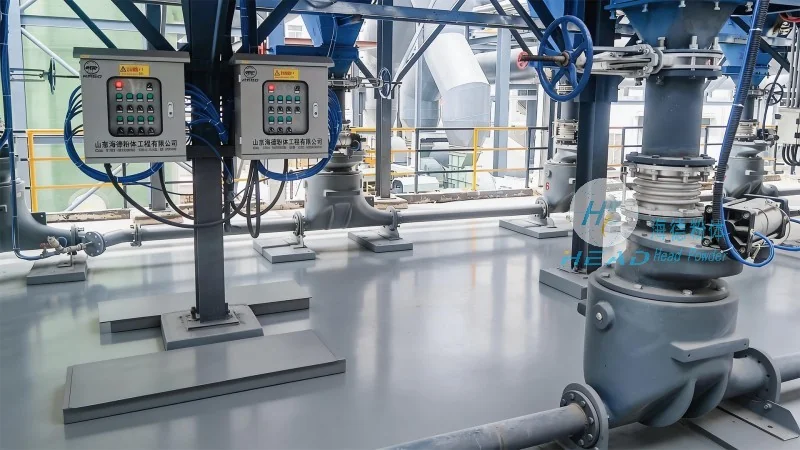
Overview of Gypsum Powder Pneumatic Conveying Equipment
Gypsum powder, a widely used material in construction and industrial applications, requires specialized handling equipment to maintain its quality and prevent contamination. The pneumatic conveying system is designed to transport gypsum powder from storage to processing or packaging areas without the need for mechanical components like belts or buckets. This method not only enhances safety but also reduces maintenance costs and operational downtime.
Key Components and Their Functions
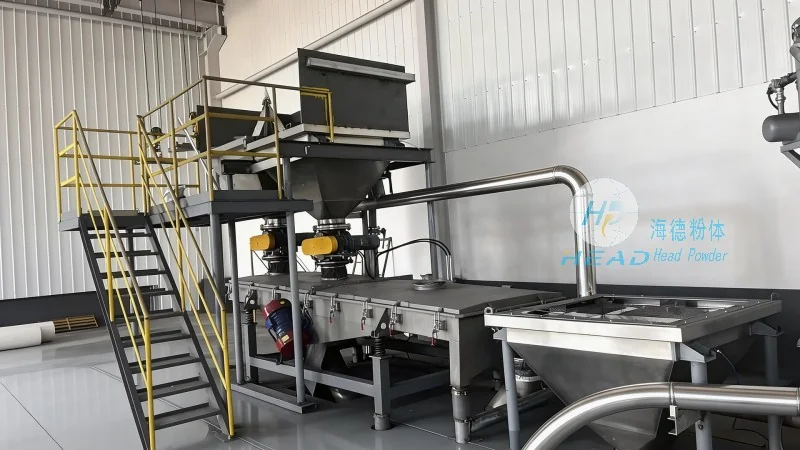
The gypsum powder pneumatic conveying system typically consists of several key components, each playing a vital role in the overall operation. These include the hopper for material storage, a rotary valve for controlled discharge, a conveying line with appropriate fittings, a dust collector to capture airborne particles, and a receiver for the delivered material. Each component is engineered to work in harmony, ensuring the efficient and safe transport of gypsum powder.
Working Principle of the Pneumatic Conveying Process
The operation of the gypsum powder pneumatic conveying equipment is based on the principle of air movement. The system uses a blower or compressor to generate a flow of air within the conveying line. As the air flows, it creates a negative pressure or positive pressure environment, depending on the specific system design. In a typical positive pressure system, the air is forced through the conveying line, carrying the gypsum powder particles along with it. The material is then deposited into the receiver at the destination point. The air, now containing some dust particles, is filtered through a dust collector before being released back into the environment.
Operation Process: From Loading to Delivery
The operation process of the gypsum powder pneumatic conveying equipment involves several sequential steps. First, the gypsum powder is loaded into the hopper from a storage silo or truck. The rotary valve then controls the flow of material from the hopper into the conveying line. The blower starts, creating the necessary air pressure to transport the powder. As the material is conveyed, it travels through the line, passing through any necessary fittings or bends. Upon reaching the receiver, the powder is discharged, and the air continues to flow, carrying any residual particles to the dust collector. The system then returns to standby mode until the next load is initiated.
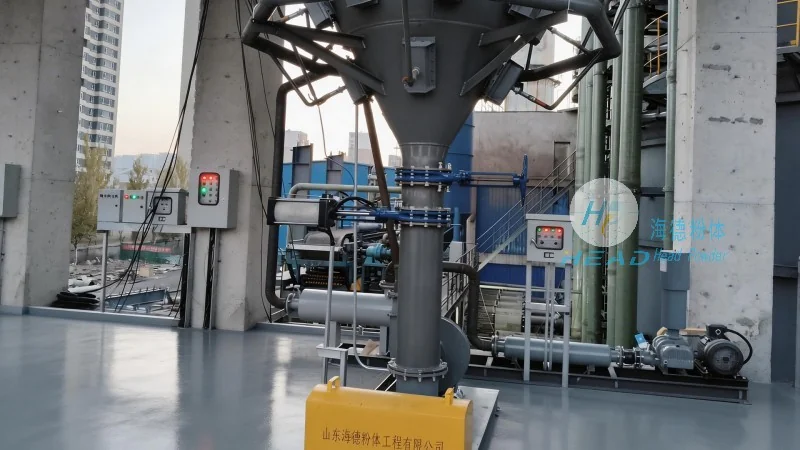
Advantages of Using Pneumatic Conveying for Gypsum Powder
Compared to traditional mechanical conveying methods, the pneumatic conveying system offers several advantages for handling gypsum powder. These include reduced risk of material contamination, lower maintenance requirements, and the ability to handle materials with high moisture content or abrasive properties. The system also provides better control over the flow rate and pressure, ensuring consistent performance. Additionally, the enclosed design minimizes dust exposure, enhancing workplace safety and compliance with environmental regulations.
Applications and Industries
The gypsum powder pneumatic conveying equipment is widely used in various industries that rely on gypsum as a raw material. These include the construction industry for producing plaster and drywall, the pharmaceutical industry for manufacturing gypsum-based products, and the agricultural sector for producing gypsum-based fertilizers. The versatility of the system allows it to adapt to different production scales and material characteristics, making it a preferred choice for many applications.
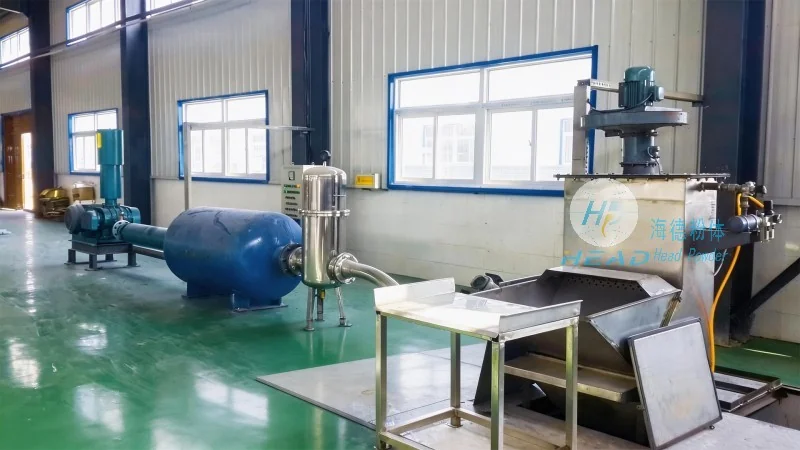
Maintenance and Operational Tips
To ensure the long-term reliability and efficiency of the gypsum powder pneumatic conveying equipment, regular maintenance is essential. This includes checking the blower and compressor for proper operation, inspecting the rotary valve and hopper for any blockages or wear, and cleaning the dust collector regularly. Additionally, monitoring the air pressure and flow rate can help identify any issues before they become major problems. Proper training of operators on the correct operation and maintenance procedures is also crucial for maximizing the equipment's lifespan and performance.
Conclusion
Gypsum powder pneumatic conveying equipment from Shandong HeadPowder Engineering Co., Ltd. represents a sophisticated solution for the efficient handling of gypsum powder. By understanding the working principle and operation process, users can optimize their material handling systems, improve productivity, and ensure compliance with safety and environmental standards. The equipment's design and functionality make it an ideal choice for industries requiring reliable and low-maintenance material transport solutions.