

Operation Process and Working Principle of Trilithium Lithium Powder Pneumatic Conveying Line
Trilithium lithium powder pneumatic conveying lines are critical equipment in the lithium battery manufacturing industry, designed to efficiently transport fine lithium powder materials. This article provides a detailed overview of the operation process and working principles of such systems, with a focus on the technical aspects and practical applications. The information is presented by Shandong HeadPowder Engineering Co., Ltd., a leading manufacturer based in China.
Company Introduction
Shandong HeadPowder Engineering Co., Ltd., commonly known as HeadPowder, is a professional engineering company specializing in the design, manufacturing, and installation of pneumatic conveying systems. With a strong presence in the Chinese market, particularly in Shandong province, the company has built a reputation for delivering high-quality solutions tailored to the needs of the lithium battery and related industries. HeadPowder's expertise lies in optimizing material handling processes, ensuring safety, and enhancing operational efficiency for clients dealing with sensitive powders like trilithium lithium.
Overview of Trilithium Lithium Powder Pneumatic Conveying Lines
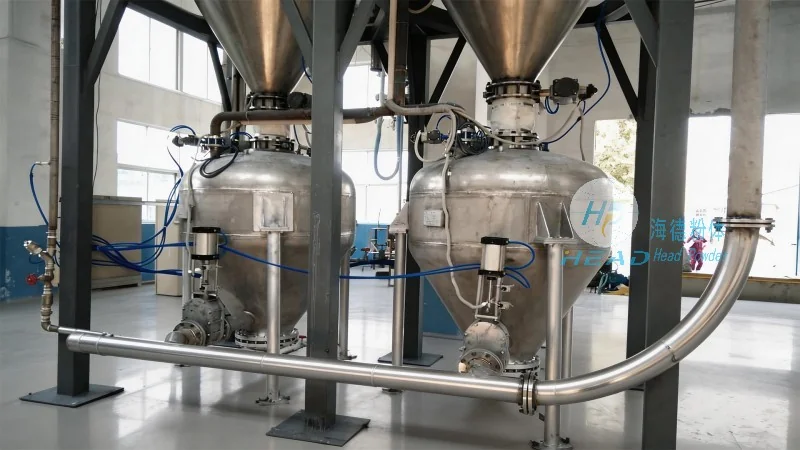
Trilithium lithium powder pneumatic conveying lines are engineered to handle the unique characteristics of lithium powder, which includes high reactivity, fine particle size, and the need for controlled environments. These systems are essential for moving lithium powder from storage silos to processing units, such as mixing, coating, or battery cell formation, without compromising material integrity or safety. The design of these lines incorporates advanced technologies to address challenges like dust generation, material segregation, and system reliability.
Operation Process of Trilithium Lithium Powder Pneumatic Conveying Lines
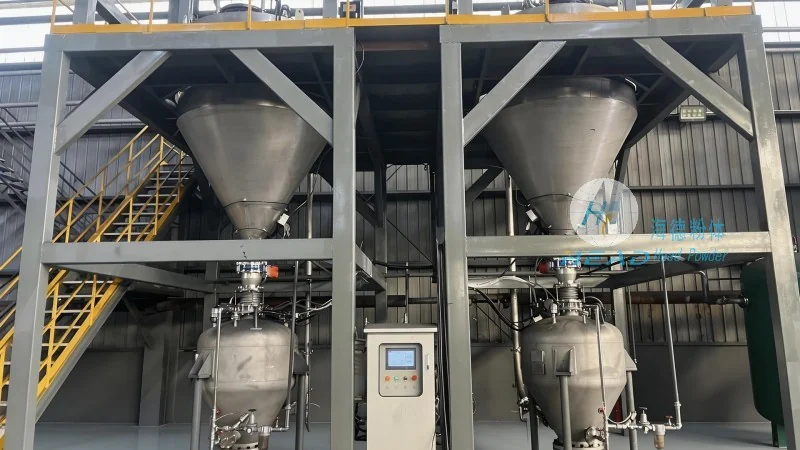
The operation process of a trilithium lithium powder pneumatic conveying line typically involves several key steps. First, the lithium powder is fed from a storage silo into a hopper or feeder, where it is prepared for transport. The feeder then meters the powder at a controlled rate to ensure consistent flow. Next, the powder is introduced into the conveying line, which can operate under either positive pressure (pressure conveying) or negative pressure (vacuum conveying). In pressure conveying systems, a blower or compressor generates the necessary air pressure to push the powder through the pipeline. In vacuum conveying systems, a vacuum pump creates a negative pressure that draws the powder into the line. The conveying line consists of pipelines, bends, and fittings that are carefully designed to minimize pressure loss and prevent material blockages. At the receiving end, the powder is deposited into a target container or processing equipment. The system also includes control valves, pressure sensors, and monitoring devices to regulate the flow and ensure safe operation.
Working Principle of Trilithium Lithium Powder Pneumatic Conveying Lines
The working principle of trilithium lithium powder pneumatic conveying lines is based on the physics of fluidization and particle transport. In pressure conveying, the air is introduced into the conveying line at a high velocity, creating a fluidized bed of powder. The air flow entrains the powder particles and carries them through the pipeline. The key to efficient pressure conveying is maintaining the correct air-to-powder ratio, which balances the need for sufficient air to move the powder without excessive energy consumption. In vacuum conveying, the vacuum pump creates a pressure differential that pulls the powder into the line. The powder is then carried by the air stream to the destination. The system's design, including the size of the pipeline, the type of fittings, and the velocity of the air, all contribute to the overall efficiency and effectiveness of the conveying process. Additionally, the use of special materials and coatings in the pipelines helps to prevent material buildup and corrosion, which is crucial for handling lithium powder.
Key Components and Their Functions
Several critical components are integral to the operation of trilithium lithium powder pneumatic conveying lines. The hopper or feeder is responsible for storing and metering the powder, ensuring a consistent feed rate. The blower or vacuum pump provides the necessary air pressure or vacuum. The conveying pipelines, often made of stainless steel or other corrosion-resistant materials, transport the powder. Control valves regulate the flow of air and powder, while sensors monitor pressure, flow rate, and other parameters. The system may also include filters to capture dust and prevent contamination, and cleaning mechanisms to maintain system performance. Each component plays a vital role in ensuring the smooth and safe operation of the entire conveying line.
Benefits and Applications
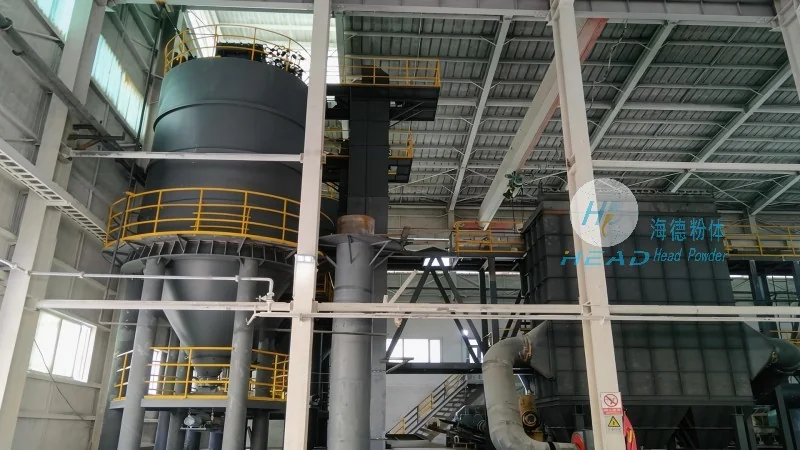
Trilithium lithium powder pneumatic conveying lines offer numerous benefits, including high efficiency, minimal material loss, and the ability to handle fine powders without segregation. These systems are widely used in the lithium battery manufacturing industry for transporting lithium powder from raw material storage to processing units. They are also suitable for other industries that require the handling of sensitive powders, such as pharmaceuticals and food processing. The use of pneumatic conveying reduces the need for manual handling, which improves safety and reduces labor costs. Additionally, the systems can be integrated with other production equipment, such as mixers and coating machines, to create a seamless material handling process.
Conclusion
Trilithium lithium powder pneumatic conveying lines are sophisticated systems that play a crucial role in the efficient and safe handling of lithium powder. The operation process involves precise control of material feed, air flow, and system pressure, while the working principle relies on the physics of fluidization and particle transport. Shandong HeadPowder Engineering Co., Ltd. specializes in designing and manufacturing these systems, providing customized solutions that meet the specific needs of clients. With their expertise and commitment to quality, HeadPowder helps industries achieve optimal material handling performance, ensuring the reliability and safety of lithium powder processing operations.