

Operation Process and Working Principle of Pulse Dust Collector Powder Pneumatic Conveying Machine
The pulse dust collector powder pneumatic conveying machine is a specialized industrial equipment designed for efficient handling and transportation of powder materials. This equipment integrates the functions of dust collection and pneumatic conveying, making it an essential solution for industries that require both air filtration and material transport. The machine is engineered to ensure high efficiency in both processes, contributing to improved operational productivity and environmental compliance.
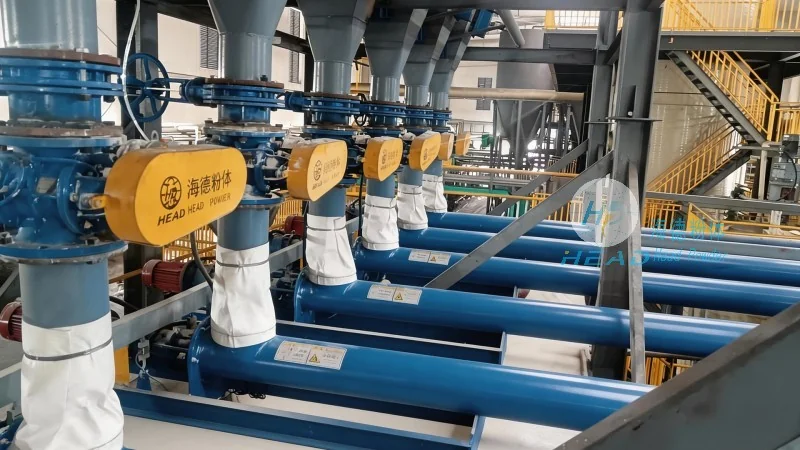
Company Overview: Shandong HeadPowder Engineering Co., Ltd.
HeadPowder, as the manufacturer of this advanced equipment, is a leading company in the field of powder processing technology. With a strong focus on innovation and quality, Shandong HeadPowder Engineering Co., Ltd. has established itself as a trusted provider of industrial solutions. The company is headquartered in Shandong, China, and specializes in the design, manufacturing, and supply of high-performance equipment for various industrial applications. Their commitment to excellence ensures that each product meets stringent industry standards and customer requirements.
Working Principle of the Pneumatic Conveying System
The core of the pulse dust collector powder pneumatic conveying machine lies in its pneumatic conveying system. This system operates by using compressed air to transport powder materials from a source to a destination. The process begins with the powder being fed into the dust collector, where it is separated from the air stream. The air, now clean, is then directed to the conveying line, while the collected powder is stored or further processed. The machine utilizes a pulse jet mechanism to clean the dust collector filters, ensuring consistent performance and preventing clogging. This mechanism involves periodic bursts of high-pressure air that dislodge accumulated dust from the filter media, maintaining optimal filtration efficiency.
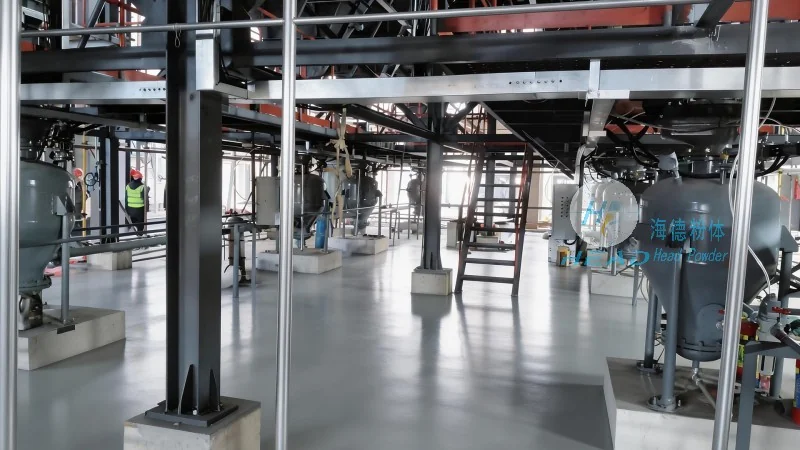
Operation Process of the Equipment
The operation process of the pulse dust collector powder pneumatic conveying machine involves several key steps. Initially, the powder material is introduced into the hopper of the dust collector. As the material flows, the air is drawn through the dust collector, and the powder particles are captured by the filter bags. The clean air then exits the dust collector and is directed to the pneumatic conveying line. Simultaneously, the collected powder accumulates in the hopper and is periodically discharged for further use or disposal. The pulse jet cleaning cycle is automatically controlled, ensuring that the dust collector operates continuously without interruption. This automated process enhances operational reliability and reduces the need for manual intervention.
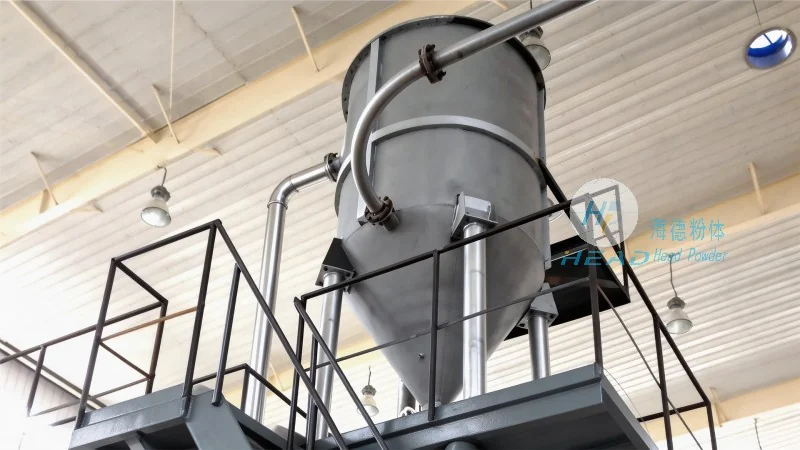
Key Components and Their Functions
The pulse dust collector powder pneumatic conveying machine consists of several critical components, each playing a vital role in its overall performance. The dust collector housing houses the filter bags, which are responsible for trapping powder particles from the air stream. The hopper at the top of the dust collector stores the incoming powder, while the discharge valve controls the release of collected material. The pneumatic conveying line, typically made of metal or flexible tubing, transports the powder from the dust collector to the destination point. The pulse jet valve, controlled by a timer or sensor, delivers the cleaning air pulses to the filter bags. Additionally, the air compressor provides the necessary compressed air for both the dust collection and conveying processes. Each component is designed to work in harmony, ensuring efficient and reliable operation.
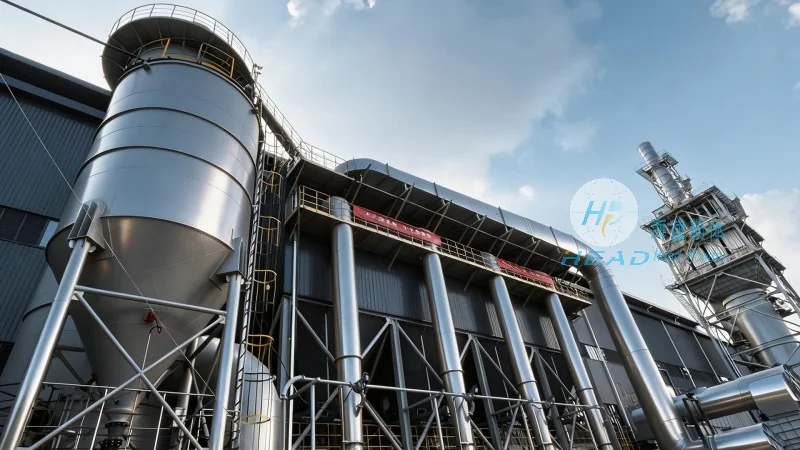
Advantages and Applications
The pulse dust collector powder pneumatic conveying machine offers numerous advantages for industrial applications. Its integrated design reduces the need for separate equipment, saving space and operational costs. The high efficiency of the dust collector ensures minimal air pollution, meeting environmental regulations. The pneumatic conveying system allows for safe and dust-free transport of powder materials, improving workplace safety. This equipment is widely used in industries such as pharmaceuticals, food processing, chemical manufacturing, and cement production, where handling fine powders is essential. The machine's versatility and adaptability make it suitable for various powder types and processing requirements.
Maintenance and Operational Tips
To ensure the long-term performance and reliability of the pulse dust collector powder pneumatic conveying machine, regular maintenance is crucial. The filter bags should be inspected and replaced periodically to prevent clogging and maintain filtration efficiency. The air compressor and pneumatic system should be checked for proper operation and lubrication. The hopper and discharge mechanism should be kept clean to avoid material buildup. Additionally, the pulse jet cleaning cycle should be monitored to ensure it operates correctly. Following the manufacturer's guidelines for maintenance and operation will help maximize the equipment's lifespan and minimize downtime. Proper training of operators on the equipment's functions and safety procedures is also essential for safe and efficient operation.