

Operation Process and Working Principle of High-Calcium Powder Material Pneumatic Conveying System
High-calcium powder, a critical raw material in various industrial applications such as cement production, chemical processing, and food manufacturing, requires efficient and reliable material handling solutions. The pneumatic conveying system developed by Shandong HeadPowder Engineering Co., Ltd. (referred to as HeadPowder) offers an advanced method to transport high-calcium powder with precision and minimal loss. This article explores the operation process and working principle of this system, highlighting its technical advantages and practical applications.
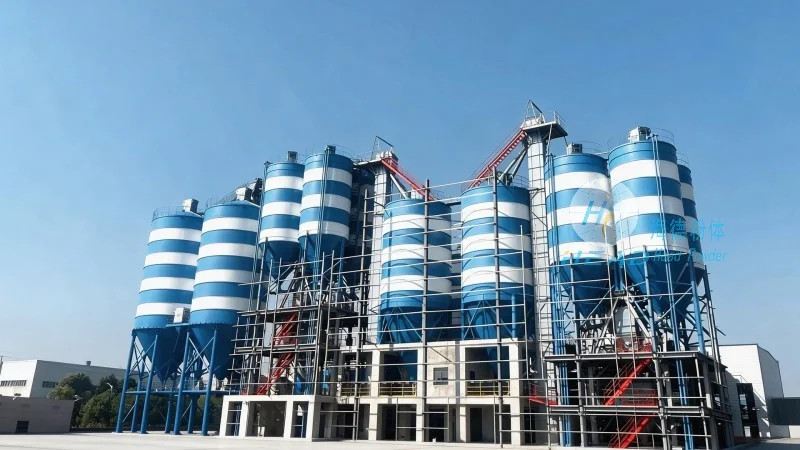
Company Overview: Shandong HeadPowder Engineering Co., Ltd.
HeadPowder, a leading engineering firm based in Shandong, China, specializes in the design, manufacturing, and installation of pneumatic conveying systems tailored to diverse industrial needs. With years of experience in the field, the company has established itself as a trusted partner for businesses seeking efficient material handling solutions. The company’s headquarters is located in Shandong, China, where it leverages local expertise and resources to deliver high-quality products and services.
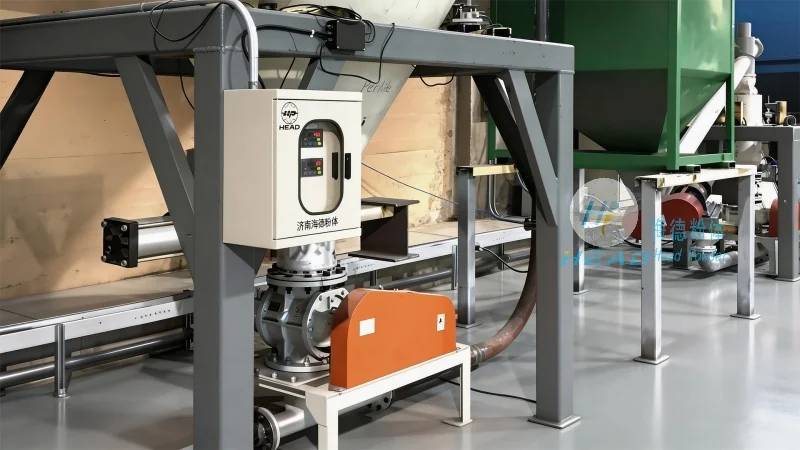
Working Principle of the High-Calcium Powder Pneumatic Conveying System
The pneumatic conveying system for high-calcium powder operates on the principle of transporting bulk materials through a pipeline using air or gas as the conveying medium. The system typically consists of several key components, including a material feeder, a pressure vessel or hopper, a conveying line, and a receiver or discharge unit. The process begins with the high-calcium powder being fed into the system from the storage hopper. A fan or blower then generates the necessary air pressure to move the powder through the pipeline. As the air flows, it entrains the powder particles, creating a dense phase or dilute phase flow depending on the system design. The conveying line is designed with appropriate bends, valves, and filters to ensure smooth and efficient transport of the powder. The receiver at the end of the line collects the conveyed powder, separating it from the air before discharge.
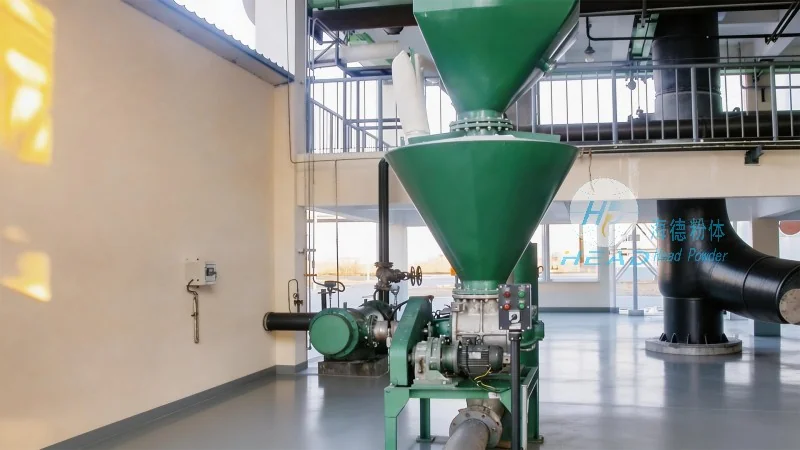
Operation Process: Step-by-Step Guide
The operation of the high-calcium powder pneumatic conveying system follows a systematic process to ensure optimal performance and material integrity. The first step involves preparing the system by checking the air pressure, ensuring all components are properly connected, and verifying the material feeder is functioning correctly. Once the system is ready, the material feeder starts feeding the high-calcium powder into the conveying line. The fan or blower then activates, generating the required air flow to transport the powder. The system monitors the pressure and flow rates to maintain consistent operation. During the conveying process, the system may include features such as pulse jets or cyclones to prevent material buildup and ensure continuous flow. At the receiving end, the powder is collected in a designated container, and the air is filtered and discharged. The entire process is automated, reducing human intervention and minimizing the risk of material contamination or loss.
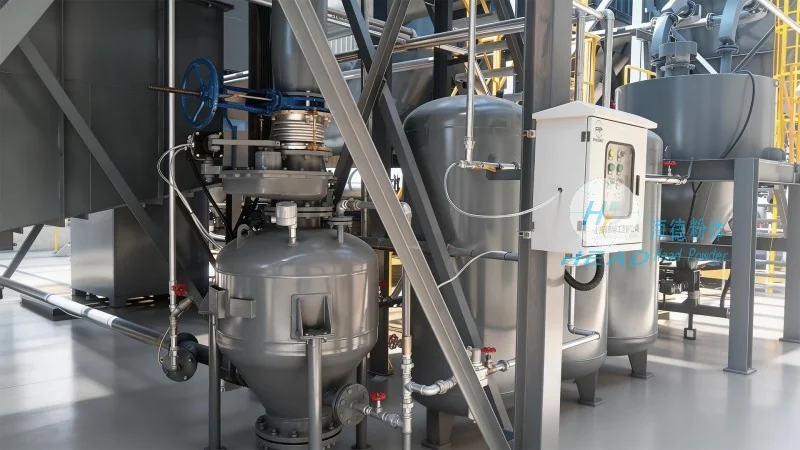
Technical Advantages and Applications
The high-calcium powder pneumatic conveying system developed by HeadPowder offers several technical advantages that make it suitable for various industrial applications. One of the key benefits is the ability to transport materials over long distances with minimal energy consumption compared to traditional methods like belt conveyors or trucks. The system also provides a dust-free and enclosed environment, reducing the risk of dust exposure and environmental contamination. Additionally, the system is highly flexible, allowing for easy integration with existing production lines and modifications to accommodate different material types or quantities. The system is widely used in the cement industry for transporting raw materials, in chemical plants for handling reactive powders, and in food processing for transporting ingredients. Its efficiency and reliability make it an ideal solution for businesses seeking to improve their material handling processes and enhance overall productivity.