

Operation Process and Working Principle of Pneumatic Conveying System for Seasoning Materials
Shandong HeadPowder Engineering Co., Ltd. specializes in the design, manufacturing, and installation of advanced pneumatic conveying systems tailored for the handling of various seasoning materials. These systems are engineered to efficiently transport bulk materials like spices, herbs, and flavorings from storage silos to processing lines, ensuring minimal product degradation and maintaining consistent quality throughout the operation.
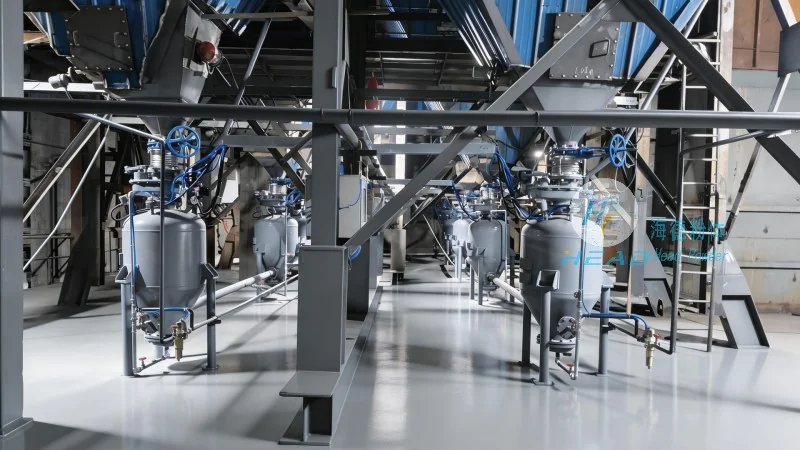
Key Components of the Pneumatic Conveying System
The pneumatic conveying system for seasoning materials typically consists of several critical components that work in tandem to achieve reliable material transport. These include a hopper or storage silo for material storage, a rotary valve or feeder to control the flow of material into the system, a conveyor pipeline network, a vacuum or pressure blower to generate the air flow, and a receiver or discharge hopper where the material is deposited. Each component is carefully selected and configured to meet the specific characteristics of the seasoning material, such as particle size, moisture content, and flowability.
Working Principle of the Pneumatic Conveying Process
The operation of the pneumatic conveying system for seasoning materials is based on the principle of air movement to transport bulk solids. In a typical system, material is fed from the storage hopper into the conveyor pipeline through a rotary valve. Simultaneously, the blower generates a high-velocity air stream that carries the material particles along the pipeline. The air flow can be either vacuum-based (suction) or pressure-based (blow), depending on the system design and the distance between the source and destination. As the material travels through the pipeline, it is suspended and transported by the air flow, reaching the discharge point where it is collected in the receiver hopper. The system ensures that the material is conveyed gently, minimizing breakage and maintaining its sensory properties, which is crucial for high-quality seasoning products.
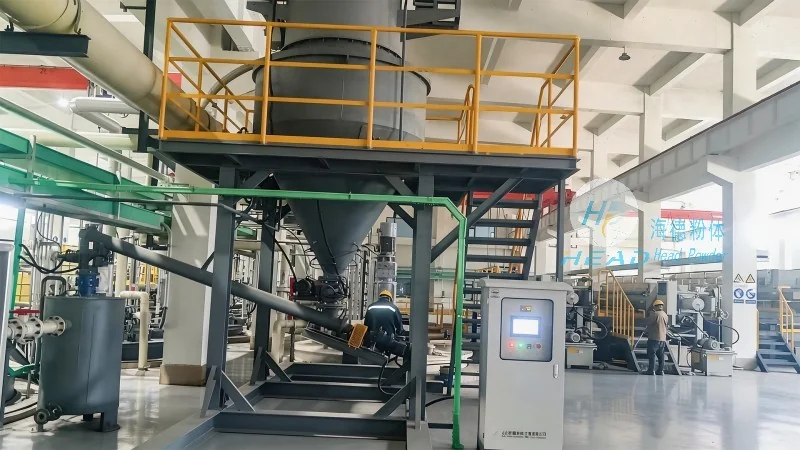
Operation Process Flow
The operational process of the pneumatic conveying system for seasoning materials follows a systematic sequence to ensure smooth and continuous material handling. First, the seasoning material is loaded into the storage silo or hopper. The rotary valve then regulates the flow rate, feeding the material into the conveyor pipeline at a controlled speed. The blower activates, creating the necessary air pressure or vacuum to initiate the conveying process. The material is then transported through the pipeline network, which may include bends, elbows, and expansion joints designed to accommodate the material's movement without causing blockages or pressure losses. Upon reaching the discharge point, the material is deposited into the receiver hopper, where it is stored until further processing or packaging. The system also incorporates safety features such as pressure relief valves and air filtration to maintain operational safety and environmental compliance.
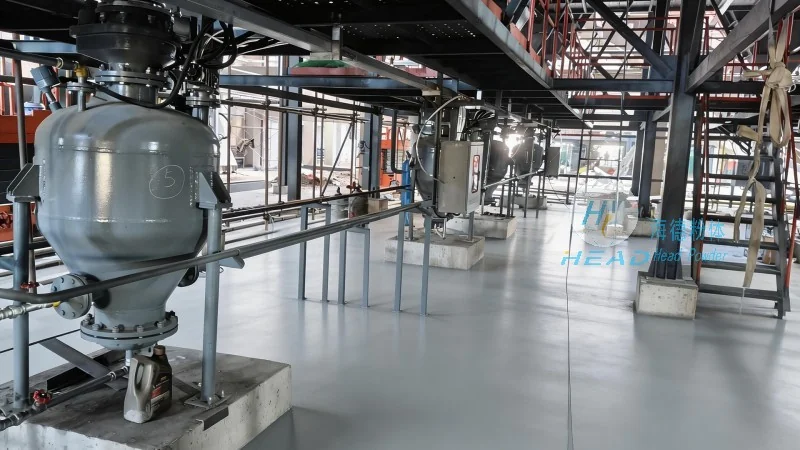
Advantages of Using Pneumatic Conveying for Seasoning Materials
Implementing a pneumatic conveying system for seasoning materials offers several advantages over traditional mechanical conveying methods. Firstly, it provides a hygienic and dust-free environment, which is essential for maintaining the quality and safety of food products. The enclosed system prevents contamination from external sources and reduces the risk of cross-contamination between different materials. Secondly, it allows for gentle handling of delicate seasoning particles, minimizing breakage and preserving the product's flavor and aroma. Thirdly, the system offers flexibility in terms of layout, as the conveyor pipeline can be installed in various configurations to suit the plant's space constraints and operational requirements. Additionally, pneumatic conveying systems are energy-efficient and can handle a wide range of material types and flow rates, making them a cost-effective solution for seasoning manufacturers.
Application Examples in Seasoning Production
Shandong HeadPowder Engineering Co., Ltd. has successfully applied pneumatic conveying systems in various seasoning production facilities. For instance, in a spice processing plant, the system efficiently transports ground pepper, cumin, and other powdered seasonings from bulk storage to the blending and packaging lines. The system's ability to handle fine particles without clogging ensures consistent product quality, while the enclosed design maintains a clean and safe working environment. Another application involves the transport of dried herbs from a drying unit to a grinding and packaging station, where the system's gentle conveying action preserves the herb's color and flavor. These real-world examples demonstrate the effectiveness and reliability of the pneumatic conveying system in enhancing the efficiency and quality of seasoning production processes.