

Operation Process and Working Principle of a Polyester Fiber Material Pneumatic Conveying System
HeadPowder, a leading engineering company based in Shandong, China, specializes in the design, manufacturing, and installation of advanced pneumatic conveying systems for handling polyester fiber materials. This article provides a detailed overview of the operational process and underlying principles of such systems, highlighting the efficiency and reliability they offer for industrial applications.
Key Components and Their Roles
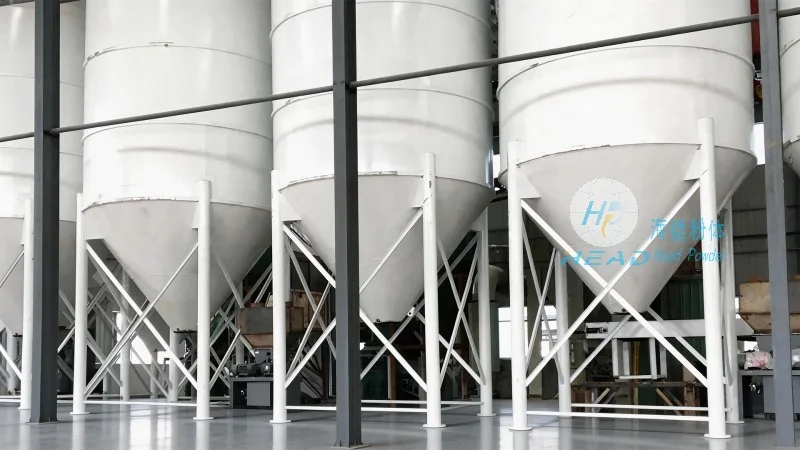
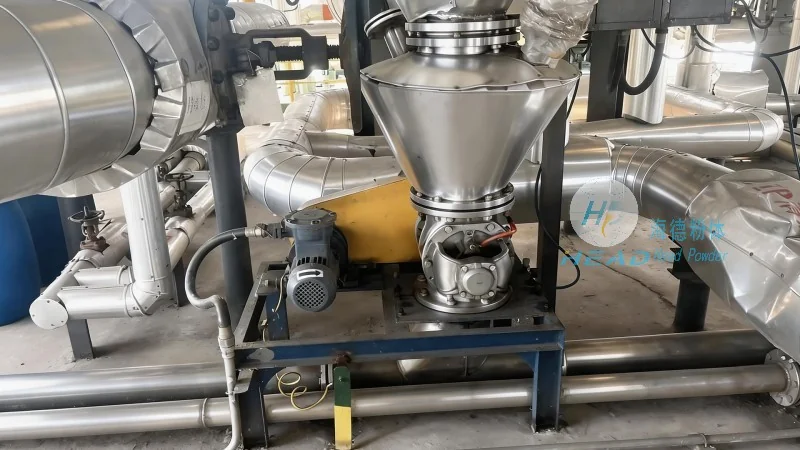
A typical polyester fiber material pneumatic conveying system comprises several critical components, each playing a vital role in the overall operation. The primary components include the material hopper, feeding device, air compressor, conveying pipeline, and discharge unit. The material hopper is designed to store the polyester fibers, ensuring a consistent supply to the system. The feeding device, often a rotary valve or a screw feeder, controls the flow rate of the material into the pipeline. The air compressor generates the necessary air pressure to move the fibers through the conveying line. The conveying pipeline, usually made of stainless steel or other corrosion-resistant materials, transports the fibers from the hopper to the discharge point. Finally, the discharge unit, such as a rotary valve or a dust collector, collects the fibers at the end of the pipeline.
Working Principle of Pneumatic Conveying
The working principle of a pneumatic conveying system for polyester fibers relies on the movement of air under pressure. When the air compressor operates, it creates a high-pressure air stream that flows through the conveying pipeline. The polyester fibers are introduced into the pipeline at a controlled rate by the feeding device. The air stream then lifts and transports the fibers through the pipeline due to the differential pressure between the inlet and outlet. The system can operate in either positive pressure or negative pressure modes, depending on the application requirements. In positive pressure systems, the air pressure is higher than the ambient pressure, pushing the fibers forward. In negative pressure systems, the air pressure is lower than the ambient pressure, pulling the fibers through the pipeline. The choice between these modes depends on factors such as the material characteristics, pipeline length, and the need to minimize dust emissions.
Operational Process: From Material Loading to Discharge
The operational process of a polyester fiber material pneumatic conveying system involves several sequential steps. First, the polyester fibers are loaded into the material hopper. The feeding device then starts to introduce the fibers into the conveying pipeline at a predetermined rate. The air compressor maintains the required air pressure to ensure smooth material transport. As the fibers travel through the pipeline, they are continuously mixed with the air stream, preventing clogging and ensuring uniform flow. Upon reaching the discharge point, the fibers are collected by the discharge unit, which may include a dust collection system to capture any airborne particles. The system operates continuously, with the feeding rate and air pressure adjusted as needed to maintain optimal performance. Regular maintenance, such as cleaning the pipeline and checking the air compressor, is essential to ensure the system's longevity and efficiency.
Advantages of Pneumatic Conveying Systems for Polyester Fibers
Pneumatic conveying systems offer several advantages when handling polyester fibers. Firstly, they provide a dust-free and hygienic method of material transport, which is crucial for maintaining product quality and meeting regulatory standards. Secondly, these systems are highly efficient, capable of transporting large volumes of material over long distances with minimal energy consumption compared to traditional methods like belt conveyors or bucket elevators. Thirdly, the enclosed pipeline design prevents material contamination and reduces the risk of environmental pollution. Additionally, pneumatic conveying systems are flexible and can be easily integrated with existing production lines, allowing for seamless material transfer between processes. The ability to handle fine or abrasive materials without causing wear and tear on the equipment further enhances their suitability for polyester fiber applications.
Applications and Industries
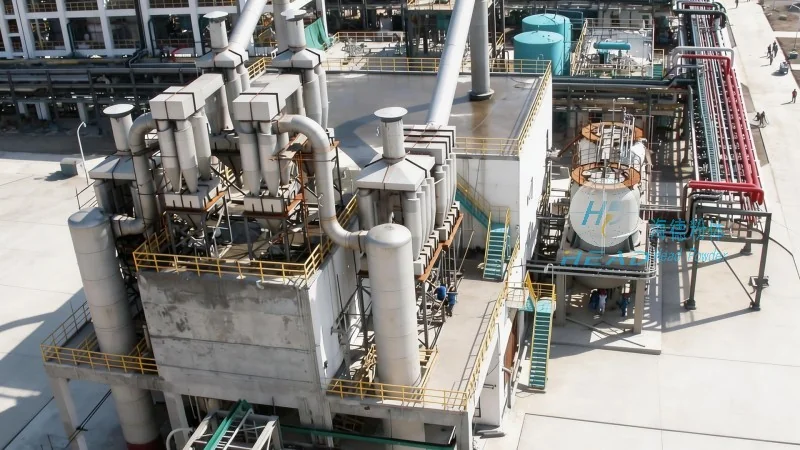
Polyester fiber material pneumatic conveying systems are widely used in various industries, including textile manufacturing, plastics processing, and chemical production. In the textile industry, these systems are used to transport polyester fibers from storage to spinning machines, ensuring a consistent supply of raw material for yarn production. In plastics processing, they are employed to move polyester resin pellets or fibers from storage to extrusion or molding equipment. The chemical industry also utilizes pneumatic conveying systems to transport polyester-based powders or granules in manufacturing processes. The versatility of these systems makes them suitable for a wide range of applications, from small-scale production lines to large industrial facilities.
Conclusion
HeadPowder's expertise in designing and implementing polyester fiber material pneumatic conveying systems ensures that industrial operations can achieve efficient, reliable, and cost-effective material handling. By understanding the operational process and working principles of these systems, businesses can optimize their production processes, improve product quality, and enhance overall operational efficiency. The advanced technology and engineering solutions provided by HeadPowder, based in Shandong, China, contribute to the success of various industries relying on polyester fiber materials.