

Operation Process and Working Principle of a Sodium Sulfate Powder Material Pneumatic Conveying Syst
For industrial applications involving the transport of sodium sulfate powder, a pneumatic conveying system offers an efficient and reliable solution. This article provides a detailed overview of the operation process and working principles of such a system, highlighting the key components, step-by-step procedures, and the advantages it brings to material handling operations.
Introduction to Pneumatic Conveying Systems for Powder Materials
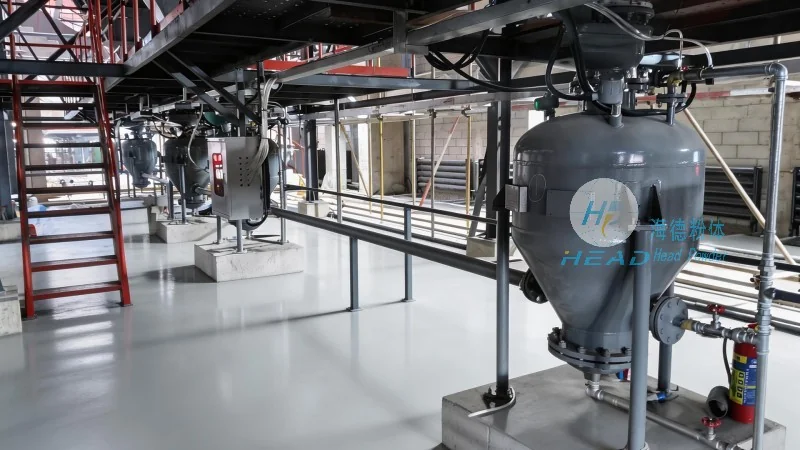
Pneumatic conveying systems are widely used in various industries to transport bulk powder materials like sodium sulfate through the use of air or gas as the conveying medium. Unlike traditional mechanical conveyors, these systems eliminate the need for physical contact between the material and the conveyor components, reducing wear and tear and minimizing the risk of contamination. The system operates by creating a pressure differential that propels the powder particles through a pipeline network, ensuring smooth and continuous material movement from the source to the destination.
Company Overview: HeadPowder
HeadPowder, a leading provider of engineering solutions, specializes in the design, manufacturing, and installation of pneumatic conveying systems tailored to the specific needs of industrial clients. With a strong presence in Shandong, China, HeadPowder leverages its expertise to deliver high-performance solutions that enhance operational efficiency and reduce downtime for businesses handling bulk powder materials. The company's commitment to quality and innovation has established it as a trusted partner in the material handling industry.
The Working Principle of the Gypsum Powder Pneumatic Conveying System
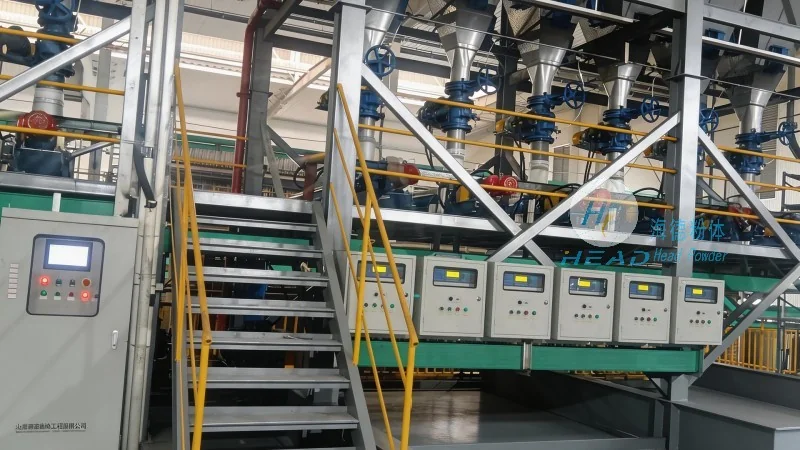
The core working principle of a sodium sulfate powder pneumatic conveying system revolves around the generation of airflow within a closed pipeline system. The system typically consists of a blower or compressor that supplies compressed air to the pipeline. As the air flows through the system, it picks up the powder particles from the feed hopper and transports them to the discharge point. The air-powder mixture travels through the pipeline, with the air velocity maintained at a level sufficient to keep the particles suspended and prevent settling. At the discharge end, a separator or cyclone separates the powder from the air, allowing the powder to be collected in a designated container while the air is either recirculated or vented to the atmosphere.
Step-by-Step Operation Process of the System
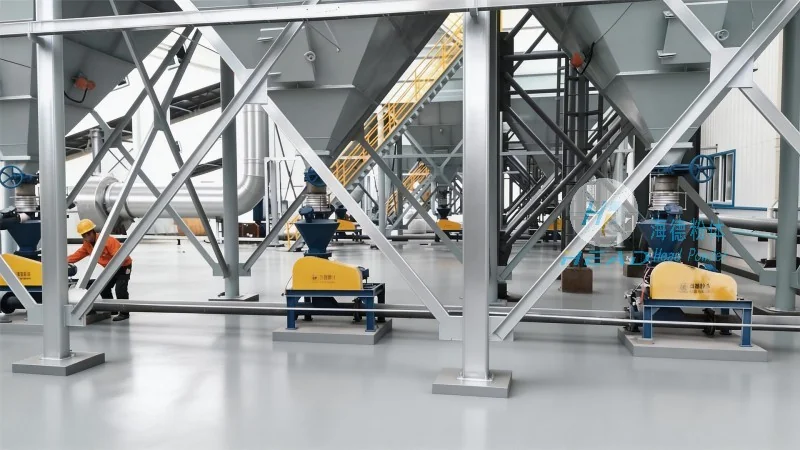
The operation of a sodium sulfate powder pneumatic conveying system involves several sequential steps that ensure smooth and efficient material transport. The process begins with the loading of the sodium sulfate powder into the feed hopper. The hopper is equipped with a feeder mechanism, such as a rotary valve or a screw feeder, which controls the flow rate of the powder into the pipeline. Once the feeder is activated, the blower starts operating, generating the necessary airflow. The air, now mixed with the powder, is then propelled through the pipeline network, which may include straight sections, bends, and vertical lifts, depending on the layout of the system. At the discharge end, a separator unit is activated to separate the powder from the air. The separated powder is collected in a receiving bin, while the air is either filtered and recirculated to improve energy efficiency or released safely to the environment. The entire process is monitored by control systems that adjust the airflow and feeder speed to maintain optimal performance and prevent system overload.
Key Components and Their Functions
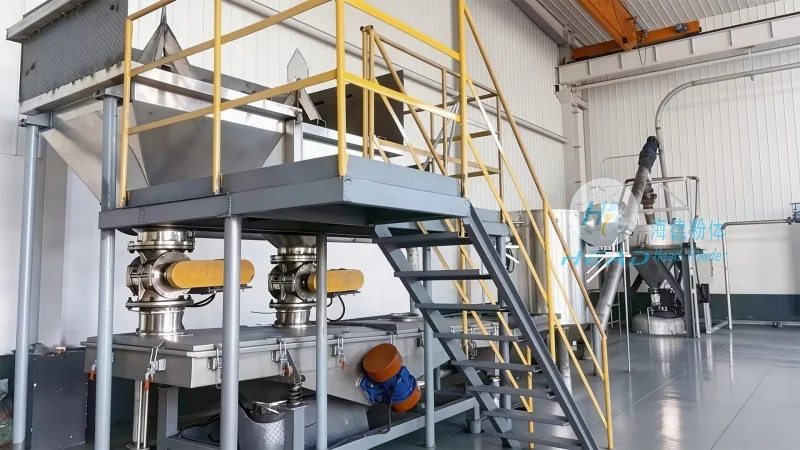
Several critical components work in tandem to ensure the proper functioning of a sodium sulfate powder pneumatic conveying system. The primary components include the blower or compressor, which provides the necessary air pressure and flow rate; the feed hopper and feeder, which control the material input and prevent blockages; the pipeline system, which transports the air-powder mixture; the separator or cyclone, which separates the powder from the air at the discharge end; and the control system, which monitors and regulates the operation of the entire system. Each component plays a vital role in maintaining the efficiency and reliability of the system, ensuring that the sodium sulfate powder is transported safely and effectively from the source to the destination.
Benefits and Applications in Industrial Settings
The use of a pneumatic conveying system for sodium sulfate powder offers numerous benefits to industrial operations. These include reduced labor costs due to automated material handling, minimized material loss and contamination, improved safety by eliminating manual handling of bulk powders, and enhanced operational flexibility through adjustable flow rates. The system is particularly suitable for applications where the powder needs to be transported over long distances or through complex layouts, such as in chemical plants, food processing facilities, and mining operations. By leveraging the expertise of companies like HeadPowder, industries can optimize their material handling processes and achieve higher productivity and cost savings.