

Operation Process and Working Principle of Pneumatic Conveying Equipment for Grain Storage Materials
HeadPowder, a leading manufacturer based in Shandong, China, specializes in the design, production, and supply of advanced pneumatic conveying equipment tailored for grain storage applications. This article provides a detailed overview of the operational process and working principles of such equipment, highlighting its efficiency, reliability, and suitability for handling bulk materials in agricultural and food processing industries.
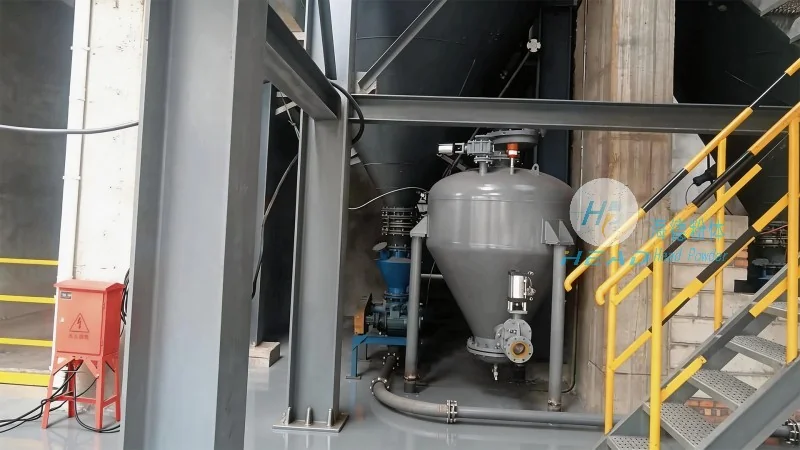
Understanding Pneumatic Conveying in Grain Storage
Pneumatic conveying systems are essential for transporting bulk materials like grains, cereals, and other agricultural products within grain storage facilities. These systems utilize air or gas to move materials through a network of pipes, eliminating the need for mechanical components like belts or buckets that are prone to wear and maintenance issues. The primary advantage of pneumatic conveying is its ability to handle a wide range of materials, including powders, granules, and even bulk solids, with minimal degradation or contamination.
Key Components of Pneumatic Conveying Equipment
The core components of a pneumatic conveying system for grain storage typically include a material feed hopper, a conveying line (usually made of stainless steel or other corrosion-resistant materials), a blower or compressor to generate the necessary air pressure, and a discharge outlet or receiver. Each component plays a critical role in ensuring the smooth and efficient transfer of materials. The feed hopper is designed to store and meter the grain, while the conveying line transports the material from the source to the destination. The blower provides the motive force, creating a pressure differential that propels the material through the system. The discharge outlet then delivers the material to its final storage or processing location.
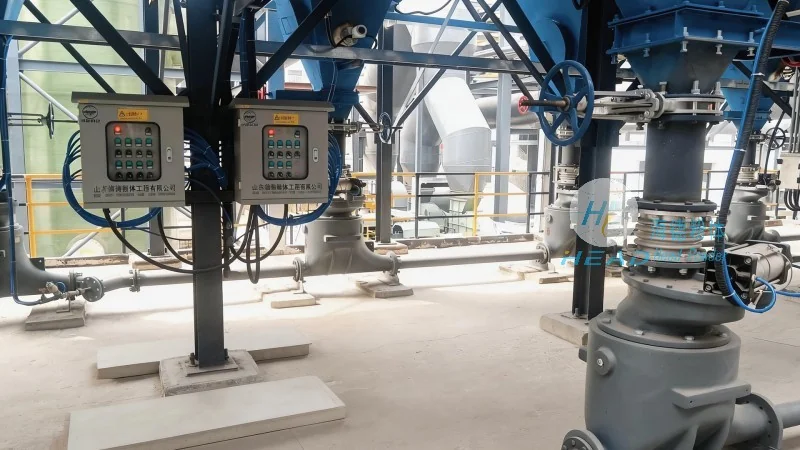
The Operational Process of Pneumatic Conveying
The operation of pneumatic conveying equipment for grain storage involves several sequential steps that ensure consistent and reliable material transfer. First, the grain is loaded into the feed hopper, where it is metered and fed into the conveying line. Simultaneously, the blower or compressor is activated, generating a flow of air or gas that creates a negative pressure within the conveying line. This pressure differential draws the grain particles into the air stream, forming a suspension that is then propelled through the system. As the material travels through the pipes, it is transported to the discharge point, where it is collected in the receiver or storage bin. The entire process is controlled by a system of valves, sensors, and controls that monitor pressure, flow rate, and material level, ensuring optimal performance and preventing system failures.
Working Principle of Pneumatic Conveying Systems
The working principle of pneumatic conveying equipment is based on the fundamental physics of fluid dynamics and particle motion. When air is introduced into the conveying line at a sufficient velocity, it creates a drag force on the grain particles, lifting them into the air stream. The air velocity must be high enough to overcome the gravitational force acting on the particles but not so high as to cause excessive wear or damage to the equipment. The system operates in either positive pressure or negative pressure mode, depending on the application and the distance between the feed and discharge points. Positive pressure systems use a blower to push the air and material through the line, while negative pressure systems use a vacuum to pull the material. Both modes are effective for grain storage applications, with the choice depending on factors such as material characteristics, system length, and operational requirements.
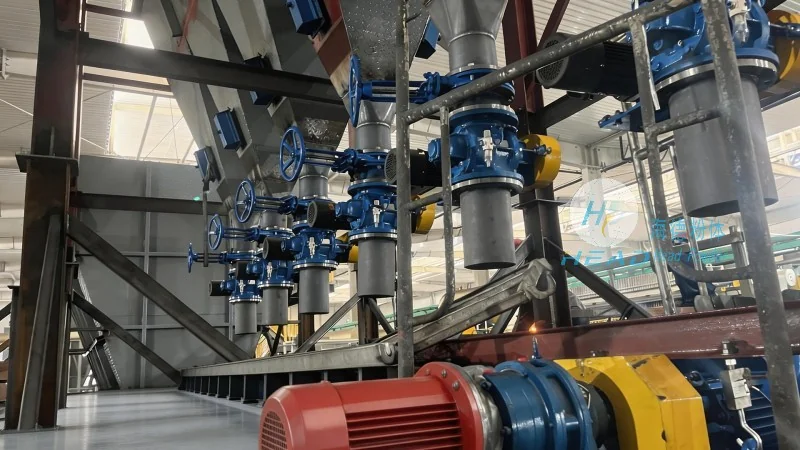
Advantages of Pneumatic Conveying for Grain Storage
Pneumatic conveying equipment offers numerous advantages over traditional mechanical conveying methods in grain storage operations. These include reduced maintenance costs due to the absence of moving parts, improved material handling efficiency with minimal downtime, and enhanced safety by eliminating the need for manual handling of bulk materials. Additionally, the system can be easily integrated with other processing equipment, such as cleaning or sorting machines, to form a comprehensive material handling solution. The use of stainless steel or other corrosion-resistant materials in the construction of the conveying line ensures durability and resistance to the acidic or alkaline properties of certain grains, extending the equipment's service life.
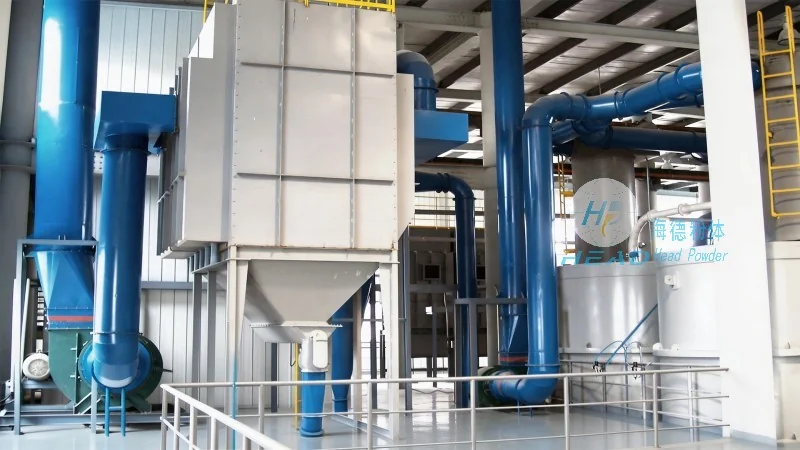
Applications and Customization Options
HeadPowder's pneumatic conveying equipment is designed to meet the specific needs of various grain storage applications, including bulk handling, storage, and processing. The company offers a range of customization options, such as adjustable conveying line lengths, variable air pressure systems, and different material feed mechanisms, to accommodate diverse operational requirements. Whether for small-scale farms or large industrial grain storage facilities, the equipment can be tailored to handle different grain types, including wheat, corn, rice, and other cereals. The systems are also designed to be energy-efficient, with optimized air flow and pressure control to minimize energy consumption while maintaining high material transfer rates.
Conclusion
In conclusion, pneumatic conveying equipment is a highly effective and reliable solution for transporting grain and other bulk materials in storage facilities. The operational process, which involves material feeding, air compression, and material transport, is designed to ensure efficient and consistent performance. The working principle, based on fluid dynamics and particle motion, allows for the seamless transfer of materials with minimal degradation. HeadPowder, with its expertise and commitment to quality, provides advanced pneumatic conveying solutions that meet the demands of modern grain storage operations, ensuring optimal efficiency, reliability, and durability.