

Operation Process and Working Principle of Air-Pneumatic Conveying Equipment for Slurry Materials
HeadPowder, a leading manufacturer based in Shandong, China, specializes in the design, development, and production of advanced air-pneumatic conveying equipment tailored for slurry and granular materials. This equipment is engineered to efficiently transport materials through a pneumatic system, offering a reliable solution for industries dealing with challenging material handling tasks.
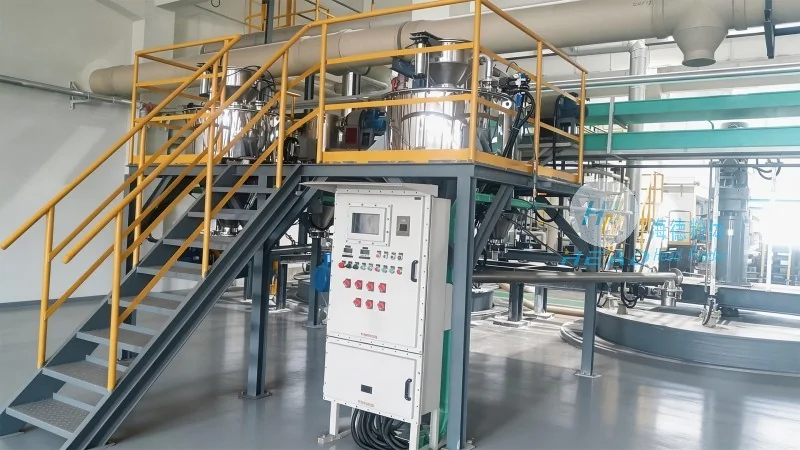
Company Overview
HeadPowder Engineering Co., Ltd. is a professional enterprise dedicated to providing high-quality air-pneumatic conveying solutions. With a strong focus on innovation and customer satisfaction, the company has established itself as a trusted partner in the material handling industry. Located in Shandong, China, HeadPowder leverages its local expertise and advanced manufacturing capabilities to deliver robust and efficient conveying systems.
Understanding Air-Pneumatic Conveying for Slurry Materials
The air-pneumatic conveying equipment for slurry materials operates by utilizing a combination of air pressure and vacuum to move materials through a pipeline. This method is particularly effective for handling materials that are difficult to transport using traditional methods, such as those with high moisture content or abrasive properties. The system typically consists of a hopper, a conveying line, and a discharge mechanism, all working in tandem to ensure smooth material flow.
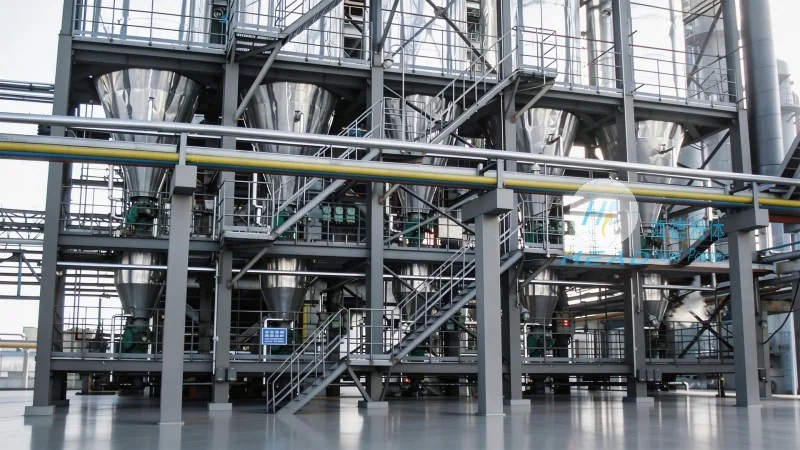
Key Components and Their Functions
Several critical components make up the air-pneumatic conveying system. The hopper serves as the material storage and feeding unit, ensuring a consistent supply of slurry to the conveying line. The conveying line, often made of durable materials like stainless steel or plastic, is designed to withstand the abrasive nature of slurry materials. The discharge mechanism, which may include a rotary valve or a pressure relief valve, controls the release of material at the destination point. Additionally, the system incorporates a blower or vacuum pump that generates the necessary air pressure or vacuum to propel the material through the pipeline.
The Operation Process: From Inlet to Outlet
The operation process of the air-pneumatic conveying equipment begins with the loading of slurry materials into the hopper. Once the hopper is filled, the material is fed into the conveying line under the influence of air pressure or vacuum. The air flow, generated by the blower, creates a low-pressure environment that draws the slurry particles along the pipeline. As the material travels through the line, it is propelled by the continuous air flow, maintaining a stable and controlled velocity. At the discharge point, the air flow is adjusted to allow the material to be released smoothly, preventing blockages or spills.
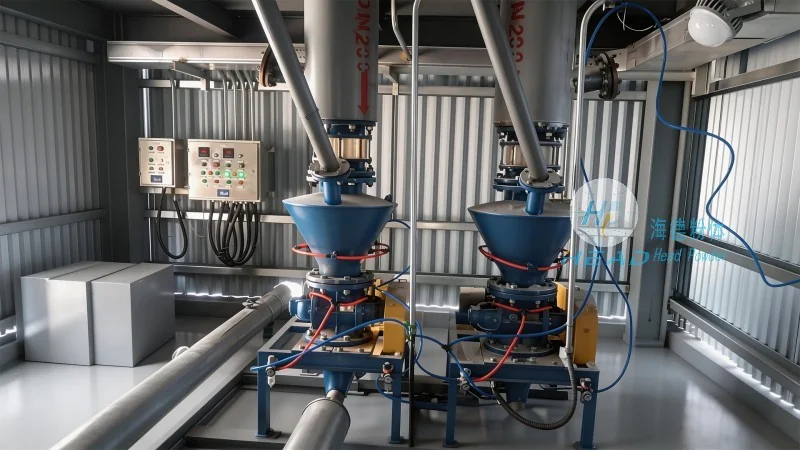
Working Principle: How It Transforms Material Handling
The working principle of the air-pneumatic conveying system is based on the fundamental concept of fluidization and pneumatic transport. When air is introduced into the conveying line at a sufficient velocity, it creates a turbulent flow that suspends the slurry particles in the air stream. This suspension allows the material to be transported without direct contact with the pipeline walls, reducing wear and tear on both the equipment and the material. The system’s efficiency is enhanced by the use of appropriate air pressure and flow rates, which are optimized based on the characteristics of the slurry material, such as particle size, moisture content, and density.
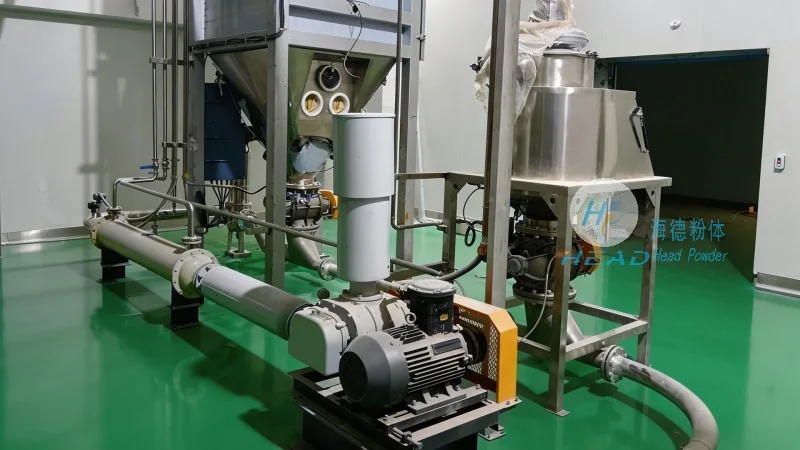
Advantages of Air-Pneumatic Conveying for Slurry Materials
Compared to traditional methods like belt conveyors or screw conveyors, air-pneumatic conveying offers several advantages for slurry materials. The system is highly flexible, allowing for the transport of materials over long distances and through complex layouts without the need for multiple transfer points. It also minimizes material contamination, as the conveying process is enclosed, preventing exposure to external elements. Furthermore, the equipment is easy to clean and maintain, reducing downtime and operational costs. The ability to handle materials with high moisture content or abrasive properties makes it an ideal choice for industries such as mining, food processing, and chemical manufacturing.
Applications in Various Industries
The air-pneumatic conveying equipment for slurry materials is widely used across multiple industries due to its versatility and efficiency. In the mining industry, it is used to transport ore and tailings from processing plants to storage facilities. In the food processing industry, it handles ingredients like flour, sugar, and powders, ensuring hygienic and efficient transfer. The chemical industry utilizes it for transporting powders and slurries, maintaining safety and preventing contamination. Additionally, in the construction industry, it aids in the transport of cement and other building materials, improving operational efficiency on job sites.