

Operation Process and Working Principle of Air-Pneumatic Conveying Equipment for Gray Calcium Powder
Gray calcium powder is a widely used industrial material, and its efficient and safe transportation is crucial for production processes. Air-pneumatic conveying equipment has become a key solution for handling such powders, offering advantages like dust-free operation, low maintenance, and flexible system design. This article provides a detailed overview of the operation process and working principle of such equipment, tailored for gray calcium powder applications, and introduces the expertise of Shandong HeadPowder Engineering Co., Ltd. as a leading provider in this field.
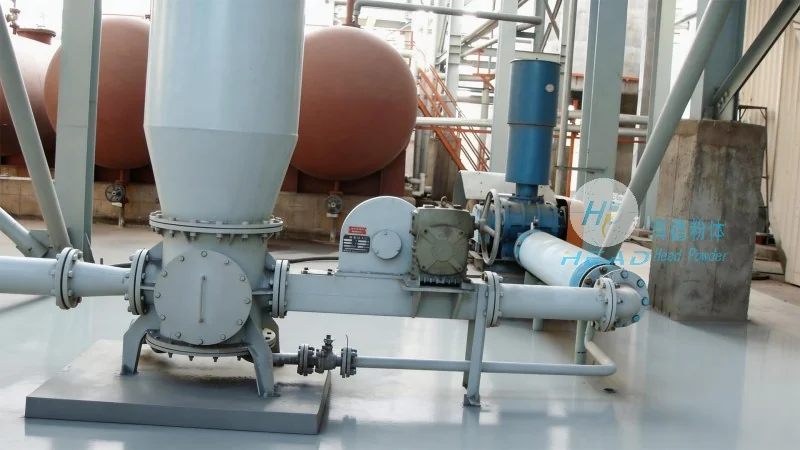
Introduction to Air-Pneumatic Conveying for Gray Calcium Powder
Gray calcium powder, often used in construction, manufacturing, and chemical industries, requires specialized handling due to its fine particle size and potential for dust generation. Traditional methods like bucket elevators or belt conveyors may struggle with dust control and material degradation. Air-pneumatic conveying systems address these challenges by utilizing air flow to transport the powder, ensuring a clean, efficient, and safe process. Shandong HeadPowder Engineering Co., Ltd., a prominent company based in China, specializes in designing and manufacturing customized air-pneumatic conveying solutions for gray calcium powder, leveraging decades of industry experience.
Company Overview: Shandong HeadPowder Engineering Co., Ltd.
HeadPowder, the abbreviation for Shandong HeadPowder Engineering Co., Ltd., is a leading manufacturer and supplier of industrial conveying equipment. With a strong presence in China, particularly in Shandong province, the company has built a reputation for high-quality, reliable, and efficient air-pneumatic conveying systems. HeadPowder's commitment to innovation and customer satisfaction has enabled it to serve a wide range of industries, including construction, chemicals, food processing, and more. The company's facilities and technical team are dedicated to developing tailored solutions that meet the specific needs of clients, ensuring optimal performance and longevity of the equipment.
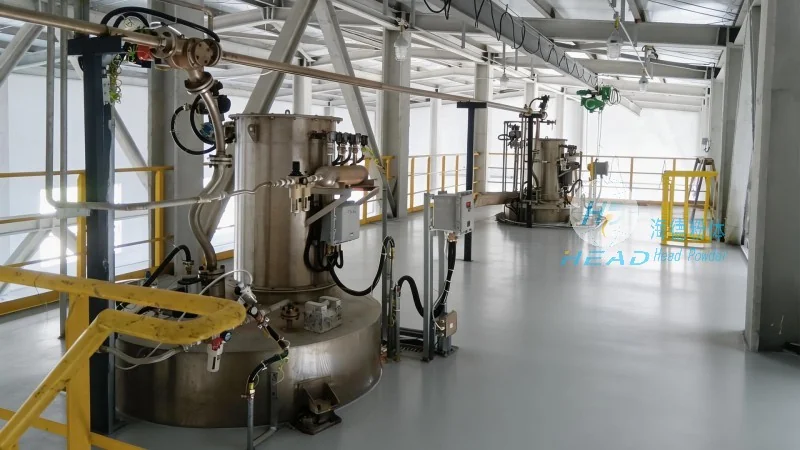
The Operation Process of Air-Pneumatic Conveying Equipment
The operation of air-pneumatic conveying equipment for gray calcium powder involves several key steps, each designed to ensure smooth and efficient material transport. The process typically begins with the feeding stage, where the gray calcium powder is introduced into the system. This is often done using a hopper or a feeder that controls the flow rate to match the system's capacity. Next, the material is transferred through a pipeline using a combination of air pressure and vacuum, depending on the system configuration. The conveying process may involve multiple segments, such as vertical or horizontal sections, with appropriate inlets and outlets to direct the powder flow. At the end of the pipeline, the powder is separated from the air using a separator or cyclone, where the powder is collected in a receiving bin. The air, now clean, is either vented to the atmosphere or recirculated back into the system, depending on the design. The entire operation is controlled by a system of valves, regulators, and sensors that monitor pressure, flow, and material levels, ensuring safe and efficient operation.
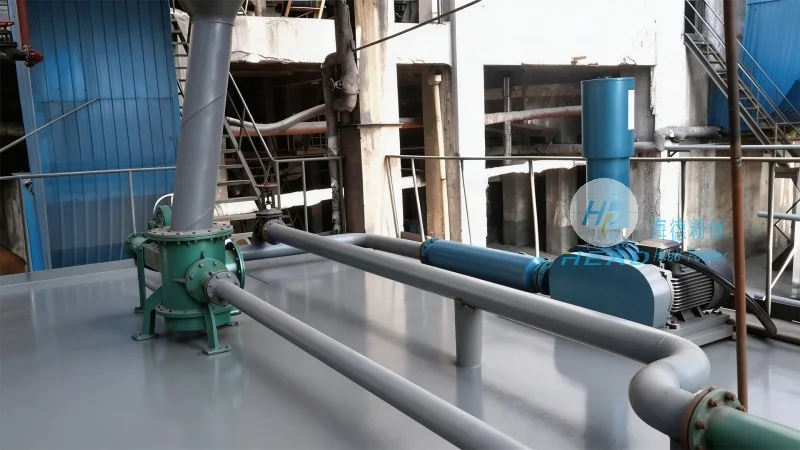
Working Principle of Air-Pneumatic Conveying
The working principle of air-pneumatic conveying equipment is based on the fundamental concept of transporting solid particles through a gas stream. There are two main types of systems: positive pressure and negative pressure (or vacuum) systems. In a positive pressure system, compressed air is used to push the powder through the pipeline, creating a high-pressure environment that propels the material forward. This method is suitable for short to medium distances and can handle a wide range of particle sizes. In contrast, a negative pressure system uses a vacuum to draw the powder into the pipeline, creating a low-pressure environment that pulls the material from the source. This approach is ideal for longer distances and applications where dust control is critical, as the system is sealed and prevents dust from escaping. For gray calcium powder, the choice between positive and negative pressure depends on factors such as the distance to be covered, the required flow rate, and the need for dust containment. Shandong HeadPowder Engineering Co., Ltd. designs systems that optimize the pressure and flow parameters to achieve the best performance for each specific application.
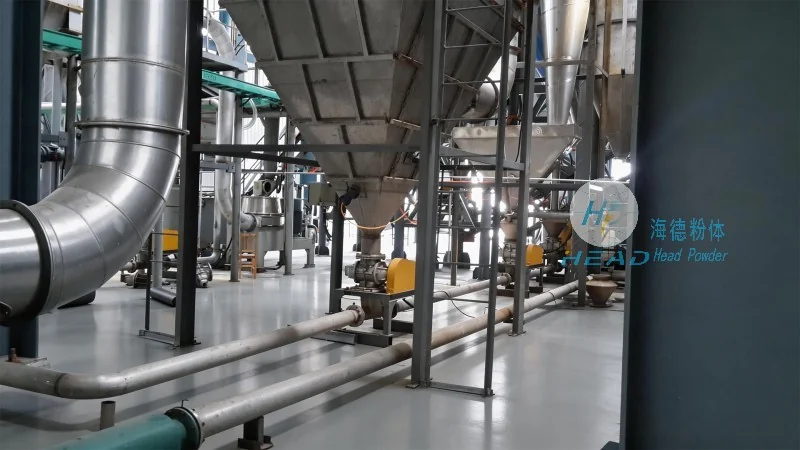
Key Features and Benefits
Air-pneumatic conveying equipment for gray calcium powder offers several advantages that make it a preferred choice over traditional methods. First, it provides a dust-free operation, which is essential for maintaining a safe working environment and complying with environmental regulations. The enclosed system prevents dust from dispersing into the air, reducing the risk of respiratory issues and contamination. Second, the equipment is highly efficient, with minimal material loss and low energy consumption compared to other conveying methods. This results in cost savings for the end-user, as less material is wasted and energy costs are reduced. Third, the system is flexible and can be easily integrated into existing production lines, allowing for modifications and expansions as needed. Shandong HeadPowder Engineering Co., Ltd. incorporates these features into its designs, ensuring that clients receive equipment that meets their specific requirements and delivers long-term value.
Conclusion
In conclusion, air-pneumatic conveying equipment is a vital technology for handling gray calcium powder, offering efficient, safe, and reliable transportation solutions. The operation process involves careful control of material feeding, air flow, and separation, while the working principle relies on the interaction between solid particles and a gas stream. Shandong HeadPowder Engineering Co., Ltd. has established itself as a trusted provider of such equipment, with a focus on quality, innovation, and customer satisfaction. By understanding the operation process and working principle of these systems, industries can make informed decisions about implementing air-pneumatic conveying, leading to improved productivity and reduced operational costs.