

Operation Process and Working Principle of Graphite Material Pneumatic Conveying Lines
Graphite material pneumatic conveying lines are sophisticated systems designed to transport graphite powders and other fine particulate materials efficiently and safely. These systems are widely used in various industrial applications, including the production of refractory materials, lubricants, and battery components, where precise handling of graphite is critical. The operation of such lines involves a combination of mechanical and pneumatic components that work in tandem to ensure reliable material transport from source to destination. Shandong HeadPowder Engineering Co., Ltd., a leading manufacturer of material handling equipment, specializes in designing and supplying high-quality pneumatic conveying systems tailored to the specific needs of graphite processing industries.
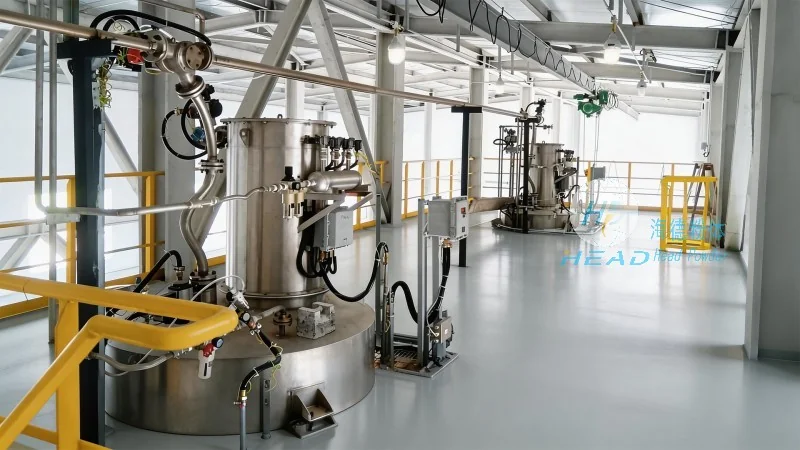
Key Components and Their Roles
The core components of a graphite material pneumatic conveying line typically include a material feeder, a conveying pipeline, a pressure vessel or receiver, and a control system. The material feeder is responsible for feeding the graphite into the system, often using a rotary valve or a screw feeder to maintain a consistent flow rate. The conveying pipeline, usually made of stainless steel or other corrosion-resistant materials, is designed to withstand the abrasive nature of graphite particles. The pressure vessel or receiver collects the conveyed material and may include a dust collection system to prevent environmental contamination. The control system monitors and regulates the pressure, flow rate, and other parameters to ensure optimal operation.
Working Principle of Pneumatic Conveying
The working principle of a pneumatic conveying line for graphite involves the use of compressed air to move the material through the pipeline. There are two main types of pneumatic conveying systems: dilute-phase and dense-phase. Dilute-phase systems use low-pressure air to transport material in a suspended state, while dense-phase systems use higher pressure to push material in a slurry-like state. For graphite, dilute-phase systems are commonly employed due to their ability to handle fine powders without causing excessive wear on components. The process begins when the graphite is fed into the system and mixed with the compressed air. The air flow creates a low-pressure zone that draws the material into the pipeline, where it is carried to the receiver. The receiver then separates the material from the air, often using a cyclone separator or a bag filter, and stores the graphite for further processing.
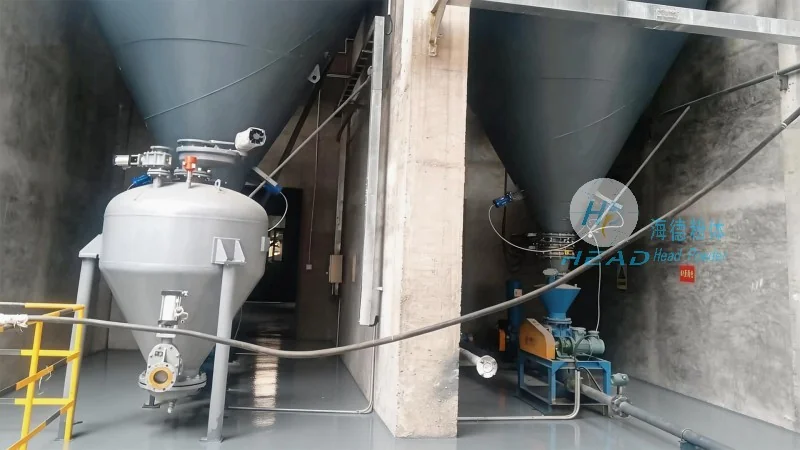
Operation Process: From Feeding to Delivery
The operation process of a graphite material pneumatic conveying line can be broken down into several key stages. First, the graphite is loaded into the material hopper or storage silo. The feeder then regulates the flow of graphite into the conveying line, ensuring a steady supply. Next, the compressed air is introduced into the system, creating the necessary pressure differential to move the material. As the air and graphite mixture travels through the pipeline, it passes through any necessary valves or bends, which are designed to maintain the flow without causing blockages. The receiver at the end of the line collects the graphite, and the air is either vented to the atmosphere or recycled back into the system to improve efficiency. The entire process is controlled by a programmable logic controller (PLC) that monitors parameters such as pressure, flow rate, and temperature, ensuring that the system operates within safe and efficient limits.
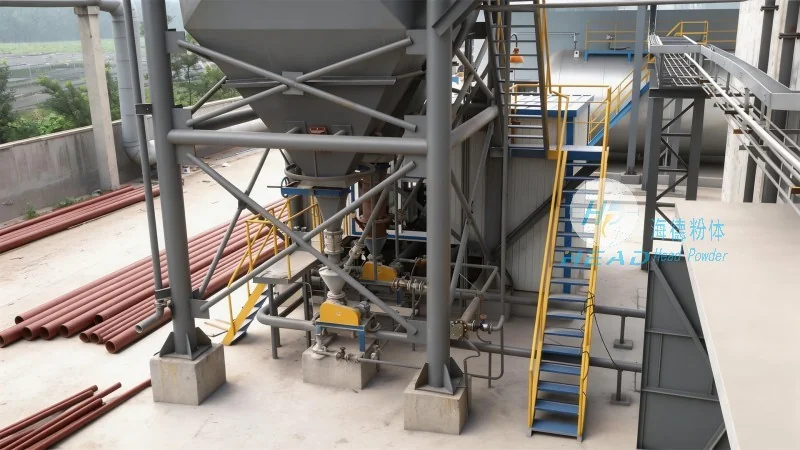
Advantages and Considerations for Graphite Pneumatic Conveying
Graphite material pneumatic conveying lines offer several advantages over traditional mechanical conveying methods. These include reduced material handling costs, lower risk of contamination, and improved safety due to the enclosed system. However, there are also considerations to keep in mind, such as the need for regular maintenance to prevent wear and tear on components, and the importance of proper dust control to comply with environmental regulations. The choice between dilute-phase and dense-phase systems depends on the specific application and the characteristics of the graphite material, such as particle size and moisture content. For fine graphite powders, dilute-phase systems are generally more suitable as they can handle smaller particles without causing excessive pressure drops or blockages.
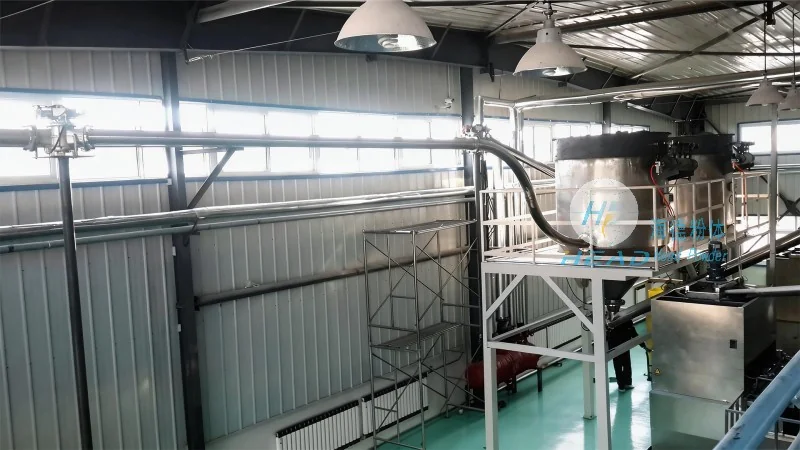
Applications and Industries
Graphite material pneumatic conveying lines are used in a variety of industries where the handling of fine graphite is essential. In the refractory industry, these systems are used to transport graphite powders for the production of high-temperature refractory bricks and coatings. In the battery industry, they are used to convey graphite for anode materials, ensuring a consistent and high-quality feedstock. Additionally, in the lubricant and coating industries, graphite is used as a solid lubricant or additive, and pneumatic conveying lines help maintain the purity and consistency of the material. The ability to handle fine powders and maintain a clean environment makes these systems ideal for applications where contamination is a critical concern.
Maintenance and Best Practices
Proper maintenance is crucial for the long-term performance and reliability of graphite material pneumatic conveying lines. Regular inspection of components such as the feeder, pipeline, and receiver is necessary to detect any signs of wear or damage. The rotary valves and screw feeders should be lubricated and adjusted regularly to maintain consistent flow rates. The cyclone separators and bag filters should be cleaned or replaced as needed to ensure efficient dust collection. Additionally, the compressed air system should be maintained to ensure consistent pressure and air quality. Best practices include conducting routine system checks, using high-quality materials resistant to graphite abrasion, and training operators on proper system operation and maintenance procedures. By following these best practices, the lifespan of the conveying line can be extended, and operational costs can be minimized.