

Operation Process and Working Principle of Caustic Soda Material Pneumatic Conveying Line
Pneumatic conveying lines are essential equipment in industrial settings, particularly for handling caustic soda (sodium hydroxide) materials. These systems utilize air or gas to transport bulk materials like caustic soda from one location to another, offering a safe, efficient, and automated solution for material handling. The operation of such lines involves a series of components and processes designed to ensure smooth and reliable material transport, minimizing downtime and enhancing overall productivity.
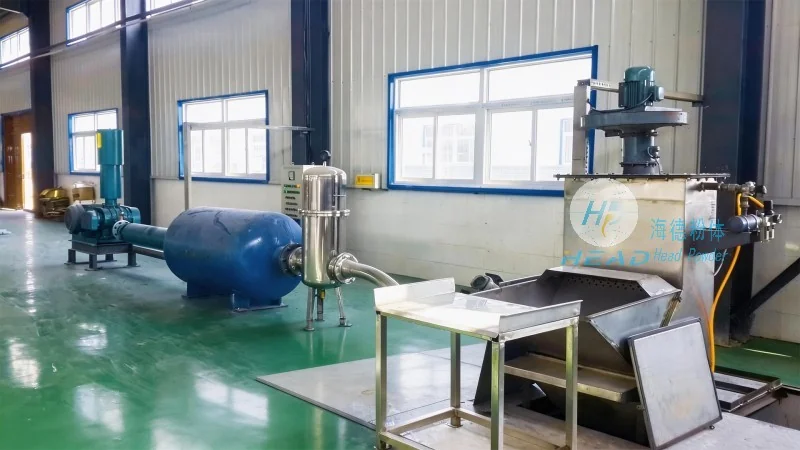
About Shandong HeadPowder Engineering Co., Ltd.
Shandong HeadPowder Engineering Co., Ltd., commonly known as headpowder, is a leading manufacturer and supplier of industrial material handling solutions. With a strong presence in China, particularly in Shandong, the company specializes in designing, manufacturing, and installing pneumatic conveying systems tailored to the specific needs of various industries, including chemical processing, food processing, and pharmaceuticals. Headpowder's expertise lies in developing robust and reliable systems that meet stringent safety and performance standards, ensuring long-term operational efficiency for clients.
Step-by-Step Operation Process of the Pneumatic Conveying Line
The operation of a caustic soda material pneumatic conveying line typically follows a systematic sequence of steps, each critical to the successful transport of the material. The process begins with the loading of caustic soda into the hopper or storage silo. From there, the material is fed into the conveying line via a feeder mechanism, which controls the flow rate to maintain consistent air pressure and material velocity. The conveying line itself consists of a series of pipes, often equipped with bends and elbows, that guide the material through the system. At the receiving end, the material is discharged into a collection bin or processing unit. Throughout the process, the system monitors air pressure, flow rates, and material levels to ensure optimal performance and prevent blockages or other issues.
Working Principle of the Pneumatic Conveying Line
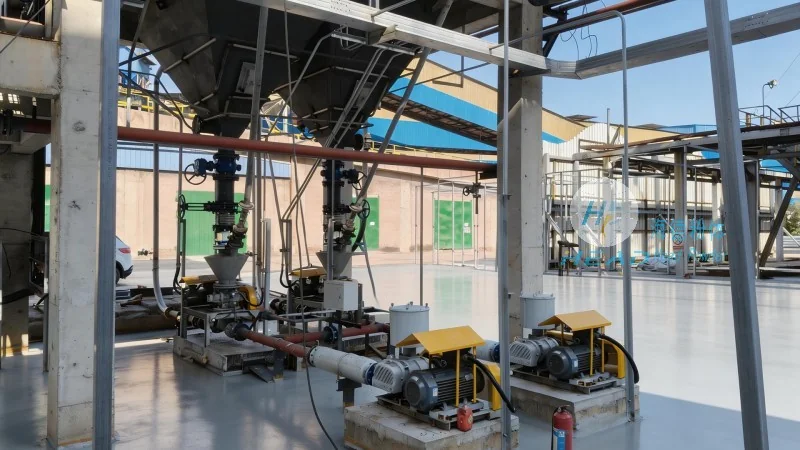
The working principle of a pneumatic conveying line for caustic soda relies on the interaction between the material and the air or gas stream. The system uses a blower or compressor to generate the necessary air pressure, which propels the caustic soda particles through the conveying pipes. The velocity of the air stream is crucial, as it must be sufficient to lift and transport the material without causing excessive wear or degradation. The design of the conveying line, including the size of the pipes, the angle of the bends, and the type of air distribution, all contribute to the efficiency and effectiveness of the system. Additionally, the system may incorporate features such as cyclone separators or filters to separate the material from the air stream at the receiving end, ensuring that the caustic soda is collected in a clean and controlled manner.
Key Components and Their Functions
Several key components work together to ensure the smooth operation of a caustic soda pneumatic conveying line. The hopper or storage silo serves as the initial storage and feeding point, providing a consistent supply of material. The feeder mechanism, such as a rotary valve or screw feeder, regulates the flow of caustic soda into the conveying line, preventing overloading and maintaining stable air pressure. The blower or compressor generates the air pressure required to transport the material, with adjustable speed settings to control the flow rate. The conveying pipes, typically made of corrosion-resistant materials like stainless steel or polyethylene, are designed to withstand the chemical properties of caustic soda and ensure durability. At the receiving end, the cyclone separator or filter separates the material from the air stream, allowing the caustic soda to be collected in a clean container while the air is discharged or recycled. Control systems, including sensors and programmable logic controllers (PLCs), monitor and regulate the operation of the entire system, ensuring safety and efficiency.
Advantages of Using Pneumatic Conveying Lines for Caustic Soda
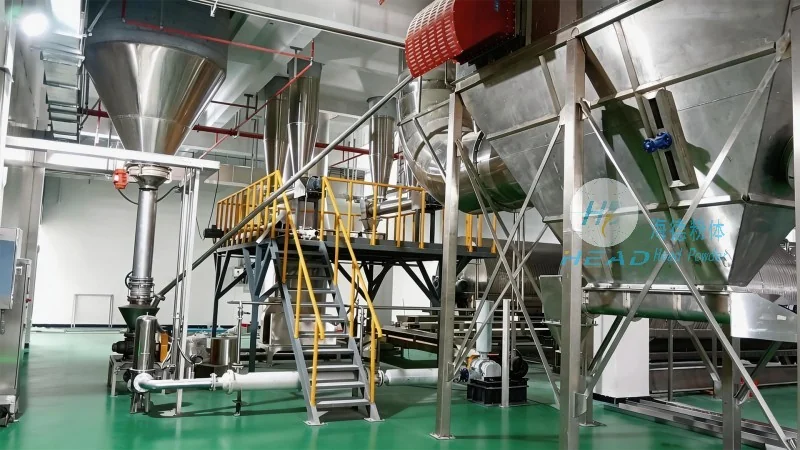
Implementing a pneumatic conveying line for caustic soda offers several advantages over traditional material handling methods. Firstly, it provides a safe and enclosed system, reducing the risk of exposure to caustic soda fumes or dust, which can be harmful to workers. Secondly, the system is highly efficient, allowing for continuous and automated material transport, which increases productivity and reduces labor costs. Thirdly, the enclosed design minimizes material loss and contamination, ensuring that the caustic soda remains in a controlled environment throughout the process. Additionally, pneumatic conveying lines are flexible and can be easily adapted to different production requirements, making them suitable for various industrial applications. Finally, the system is relatively low maintenance, with fewer moving parts compared to other material handling equipment, leading to lower operational costs over time.
Applications and Industries
The caustic soda material pneumatic conveying line is widely used in various industries that require the handling of caustic soda. In the chemical industry, these systems are used for transporting caustic soda to reactors, storage tanks, or processing units. In the food and beverage industry, they are employed in the production of soaps, detergents, and other chemical products where caustic soda is a key ingredient. The pharmaceutical industry also utilizes pneumatic conveying lines for the safe and efficient transport of caustic soda in manufacturing processes. Additionally, in the paper and pulp industry, caustic soda is used for bleaching and other processes, and pneumatic conveying lines help in the seamless transfer of this material. Overall, the versatility and reliability of pneumatic conveying systems make them an ideal choice for industries that rely on caustic soda as a critical component in their production processes.