

Operation Process and Working Principle of Pneumatic Conveying Line for Graphite Anode Material Part
HeadPowder, a leading enterprise in the field of material handling solutions, specializes in the design, manufacturing, and installation of advanced pneumatic conveying systems. The company's expertise lies in providing efficient and reliable equipment for transporting particulate materials, such as graphite anode materials, which are critical components in lithium-ion battery production. This article delves into the operation process and working principle of a typical pneumatic conveying line used for graphite anode material handling, highlighting the key components, operational steps, and technical advantages of the system.
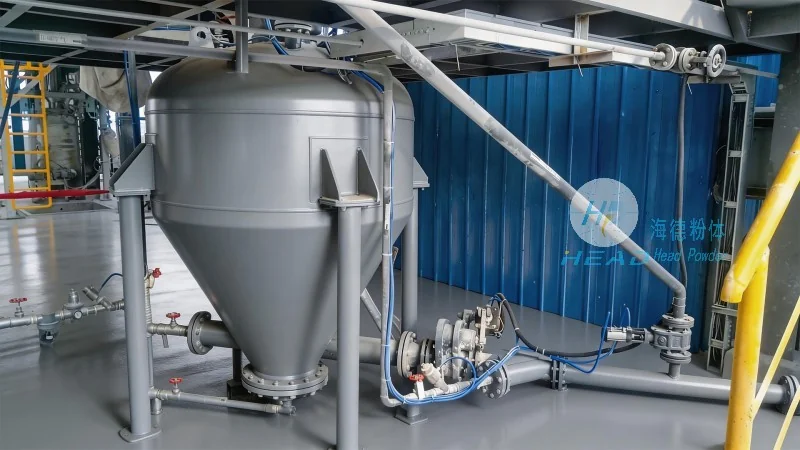
Company Overview and Expertise
Shandong HeadPowder Engineering Co., Ltd., commonly known as HeadPowder, is headquartered in Shandong, China. With years of experience in the material handling industry, the company has developed a strong reputation for delivering high-quality pneumatic conveying systems tailored to the specific needs of various industries, including battery manufacturing. HeadPowder's team of engineers and technicians leverages advanced technology and rigorous quality control measures to ensure that each system meets the highest standards of performance, safety, and durability. The company's commitment to innovation and customer satisfaction has positioned it as a trusted partner for businesses seeking efficient material transport solutions.
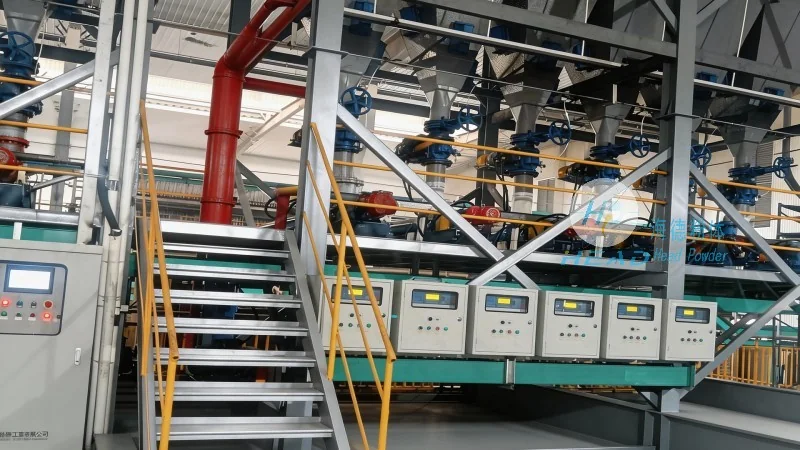
System Components of the Pneumatic Conveying Line
The pneumatic conveying line for graphite anode material handling typically consists of several key components that work in tandem to achieve efficient material transport. These components include a material hopper, a rotary valve (or feeder), a pneumatic conveying pipeline, a dust collector, and a discharge outlet. The material hopper is designed to store the graphite anode material, providing a stable and controlled feed source. The rotary valve, often referred to as a feeder, regulates the flow of material from the hopper into the conveying pipeline, ensuring a consistent and controlled discharge rate. The pneumatic conveying pipeline is the core of the system, where compressed air is used to transport the material particles through the pipeline. The pipeline is usually made of high-quality materials, such as stainless steel or plastic, to prevent corrosion and ensure long-term durability. The dust collector is an essential component that captures any airborne particles during the conveying process, ensuring compliance with environmental regulations and maintaining a clean working environment. Finally, the discharge outlet is where the material is deposited at the destination point, such as a storage silo or a processing unit.
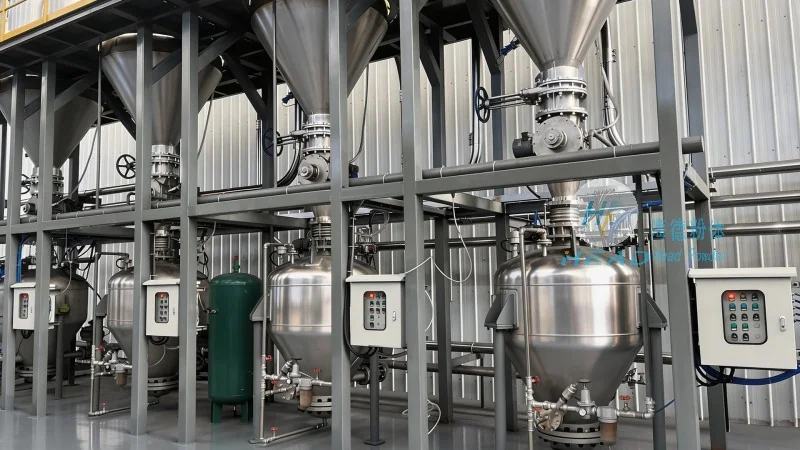
Operation Process of the Pneumatic Conveying Line
The operation of the pneumatic conveying line for graphite anode material handling follows a systematic process that ensures smooth and continuous material transport. The process begins with the loading of the graphite anode material into the material hopper. The material is then fed into the conveying pipeline through the rotary valve, which controls the flow rate based on the system's requirements. Compressed air is introduced into the pipeline, creating a flow that propels the material particles forward. The air and material mixture travels through the pipeline, with the air providing the necessary force to move the particles. The material is then discharged at the destination point through the discharge outlet. The entire process is automated, with sensors and control systems monitoring the flow rate, pressure, and other parameters to ensure optimal performance. The system can be adjusted to handle different material types and flow rates, making it versatile and adaptable to various production needs.
Working Principle of the Pneumatic Conveying System
The working principle of the pneumatic conveying line is based on the use of compressed air to transport particulate materials. The system operates by creating a pressure differential between the material hopper and the discharge outlet. The compressed air is introduced into the pipeline, reducing the pressure inside the pipeline and creating a vacuum that draws the material particles into the air stream. The material particles are then carried by the air flow through the pipeline to the discharge point. The key to the system's efficiency lies in the proper design of the pipeline, the selection of the appropriate air velocity, and the control of the material feed rate. The air velocity must be sufficient to overcome the frictional forces and gravitational effects, ensuring that the material particles are fully entrained in the air stream. The material feed rate is controlled by the rotary valve, which adjusts the amount of material entering the pipeline to maintain a stable flow. The dust collector plays a crucial role in capturing any fine particles that may be carried by the air, preventing them from being released into the environment. Overall, the pneumatic conveying system provides a clean, efficient, and reliable method for transporting graphite anode materials, minimizing the risk of material loss and contamination.
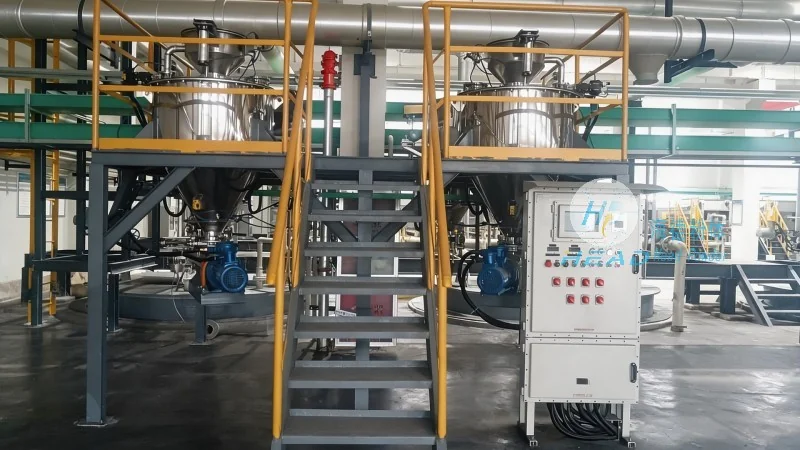
Technical Advantages and Applications
The pneumatic conveying line for graphite anode material handling offers several technical advantages that make it an ideal choice for battery manufacturing and other industries. One of the primary advantages is its ability to transport materials in a closed system, which prevents contamination from external sources and minimizes dust emissions. This is particularly important for graphite anode materials, which are sensitive to moisture and contaminants that can affect the quality of the final product. Another advantage is the system's high efficiency and low maintenance requirements. The closed system reduces the need for manual handling and cleaning, while the automated control systems ensure consistent performance. The system is also flexible and can be customized to handle different material types and flow rates, making it suitable for various production scales. HeadPowder's pneumatic conveying systems have been successfully implemented in numerous battery manufacturing facilities, where they have contributed to improved production efficiency, reduced material loss, and enhanced product quality. The company's expertise in system design and installation ensures that each system is tailored to the specific needs of the client, providing a reliable and long-lasting solution for material transport.