

Operation Process and Working Principle of High-Pressure Bin Pump Material Pneumatic Conveying Machi
High-pressure bin pumps are critical components in modern material handling and pneumatic conveying systems, designed to efficiently transport bulk materials over long distances with minimal energy consumption. As a leading manufacturer in the industry, Shandong HeadPowder Engineering Co., Ltd. specializes in developing and supplying advanced high-pressure bin pump solutions tailored to diverse industrial applications. This article provides a detailed overview of the operation process and working principles of these systems, highlighting their key features, benefits, and practical applications.
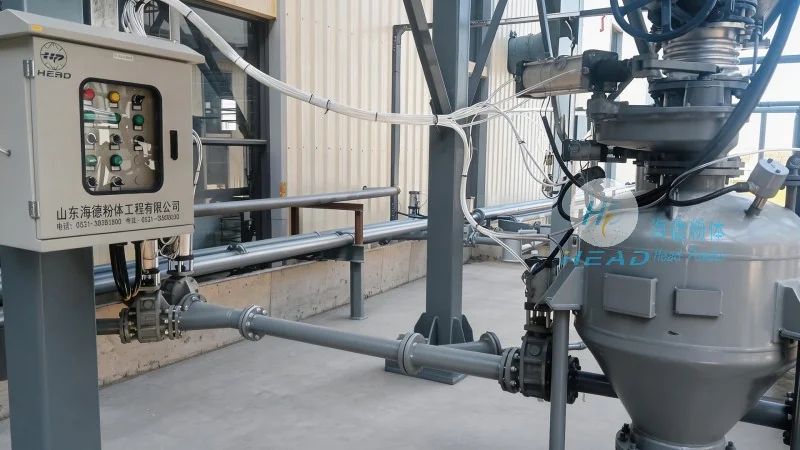
At the core of high-pressure bin pump technology is the ability to handle a wide range of bulk materials, including powders, granules, and fine particles, with precision and reliability. The system operates by using compressed air or other gases to create a high-pressure environment within the bin, which forces the material to flow through a pipeline to the destination point. This method eliminates the need for mechanical conveyors, reducing maintenance costs and improving overall system efficiency.
One of the primary advantages of high-pressure bin pumps is their ability to handle materials with varying flow characteristics. The pump's design allows for adjustable pressure and flow rates, enabling operators to optimize the conveying process for different material types and distances. This flexibility makes high-pressure bin pumps suitable for applications in industries such as chemical processing, food and beverage, pharmaceuticals, and mining, where material handling demands precision and safety.
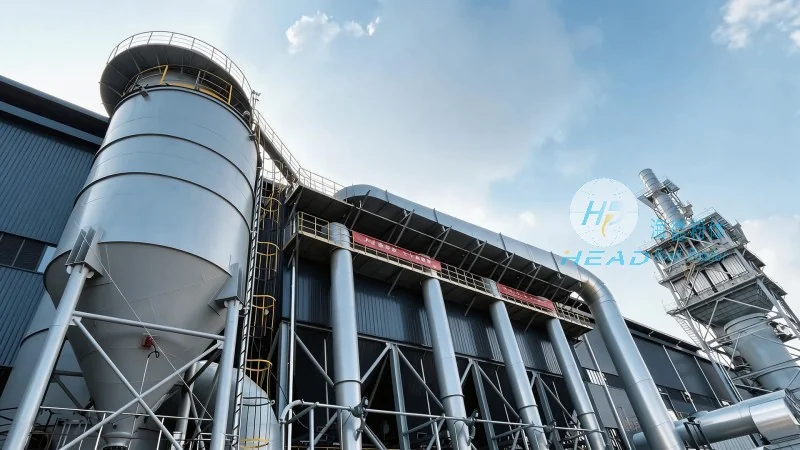
Shandong HeadPowder Engineering Co., Ltd. has been at the forefront of developing innovative high-pressure bin pump solutions. The company's expertise lies in engineering systems that meet stringent industry standards while ensuring durability and long-term performance. With a focus on customer needs, HeadPowder provides customized solutions that address specific operational challenges, such as material segregation, blockage prevention, and energy efficiency. The company's commitment to quality and innovation has established it as a trusted partner for businesses seeking reliable material handling solutions.
The operation process of a high-pressure bin pump typically involves several key steps. First, the material is loaded into the storage bin, which is equipped with a hopper and a valve system to control the flow. The bin is then pressurized using a compressor or other air supply system, creating a high-pressure environment inside the bin. As the pressure builds, the material is forced out of the bin through a discharge line, which connects to the receiving vessel or processing equipment. The system uses a series of check valves and pressure regulators to maintain consistent pressure and prevent backflow, ensuring smooth and continuous material transport.
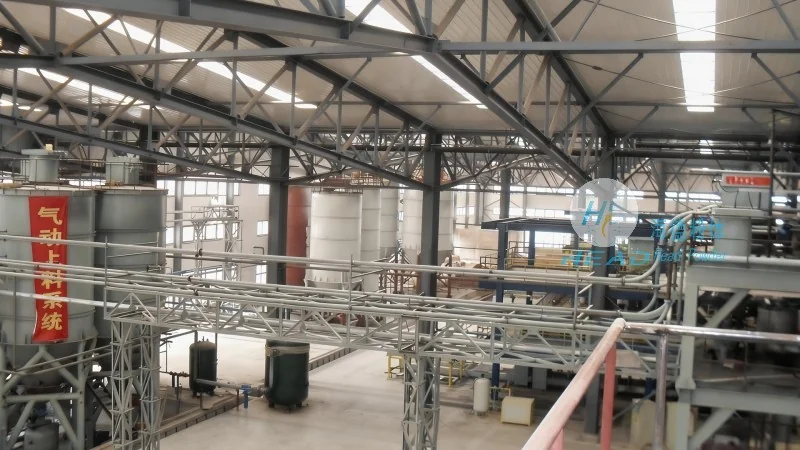
During the conveying process, the high-pressure air or gas acts as a carrier medium, carrying the material particles through the pipeline. The velocity of the air and the size of the particles determine the efficiency of the conveying system. High-pressure bin pumps are particularly effective for long-distance conveying, as they can maintain the material's momentum over extended distances without significant pressure loss. This makes them ideal for applications where materials need to be transported from a central storage facility to multiple processing sites or distribution centers.
The working principle of high-pressure bin pumps is based on the Bernoulli principle and the principles of fluid dynamics. The system operates by creating a pressure differential between the bin and the discharge line. The high pressure inside the bin pushes the material through the pipeline, while the lower pressure at the discharge end draws the material forward. The pump's design includes a series of components, such as the bin, hopper, valve, compressor, and pipeline, each working in tandem to ensure efficient material transport. The use of high-pressure air or gas as the carrier medium allows for the transportation of materials that are difficult to handle with traditional mechanical conveyors, such as fine powders that tend to clog or segregate.
Key features of high-pressure bin pumps include their ability to handle abrasive and corrosive materials, their low maintenance requirements, and their energy efficiency. The system's design minimizes the risk of material blockage and ensures consistent flow rates, which are critical for maintaining production efficiency. Additionally, high-pressure bin pumps are equipped with safety features, such as pressure relief valves and emergency shut-off systems, to prevent accidents and ensure operator safety.
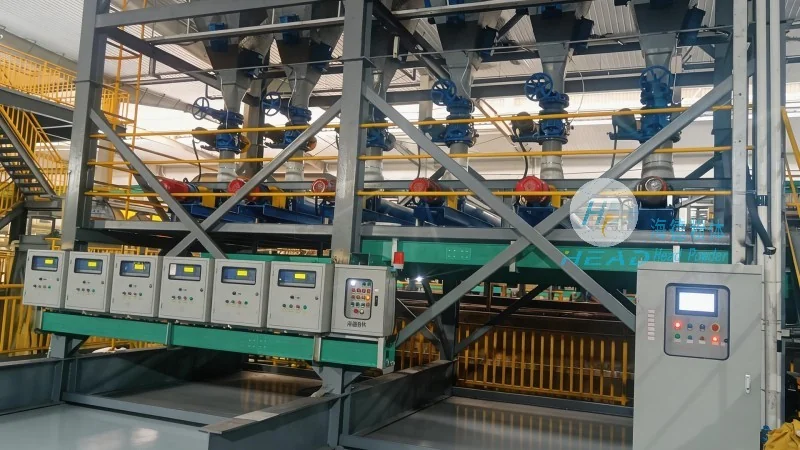
When considering the implementation of a high-pressure bin pump system, several factors must be taken into account. The first is the type and characteristics of the material to be conveyed, including its particle size, density, and flowability. The second is the distance and elevation change between the storage bin and the receiving point, as these factors affect the required pressure and power. The third is the system's capacity and flow rate requirements, which must be matched to the production needs of the facility. Shandong HeadPowder Engineering Co., Ltd. provides comprehensive engineering services to help customers select the appropriate system and ensure optimal performance.
In conclusion, high-pressure bin pumps represent a sophisticated and efficient solution for material handling and pneumatic conveying. Their ability to transport bulk materials over long distances with minimal energy consumption makes them a preferred choice for many industries. Shandong HeadPowder Engineering Co., Ltd. continues to lead the way in developing advanced high-pressure bin pump systems, providing customers with reliable and cost-effective solutions that meet their specific operational needs. By understanding the operation process and working principles of these systems, businesses can make informed decisions about implementing high-pressure bin pumps to enhance their material handling capabilities.