

Operation Process and Working Principle of PVC Material Pneumatic Conveying Machine
HeadPowder, a leading manufacturer based in Shandong, China, specializes in the design and production of advanced pneumatic conveying systems tailored for handling PVC materials. This article delves into the operation process and working principle of PVC material pneumatic conveying machines, providing a comprehensive understanding of how these systems efficiently transport PVC particles from one location to another.
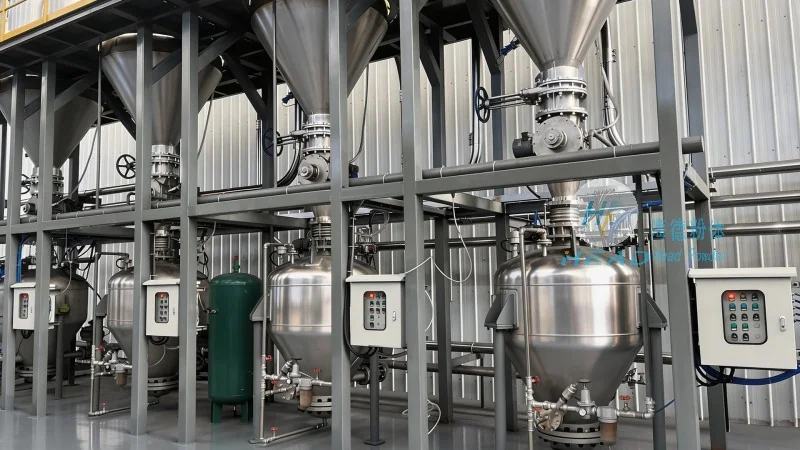
Introduction to PVC Material Pneumatic Conveying Machines
PVC (Polyvinyl Chloride) is a widely used thermoplastic polymer in various industries, including construction, automotive, and packaging. The efficient and safe transportation of PVC materials is crucial for maintaining production efficiency and product quality. Pneumatic conveying machines offer a reliable solution by utilizing air pressure to move PVC particles through a pipeline system. These systems are designed to handle different PVC particle sizes, shapes, and moisture levels, ensuring optimal performance in diverse industrial applications.
Key Components of a PVC Material Pneumatic Conveying System
A typical PVC material pneumatic conveying system consists of several key components that work in harmony to achieve efficient material transport. These components include:
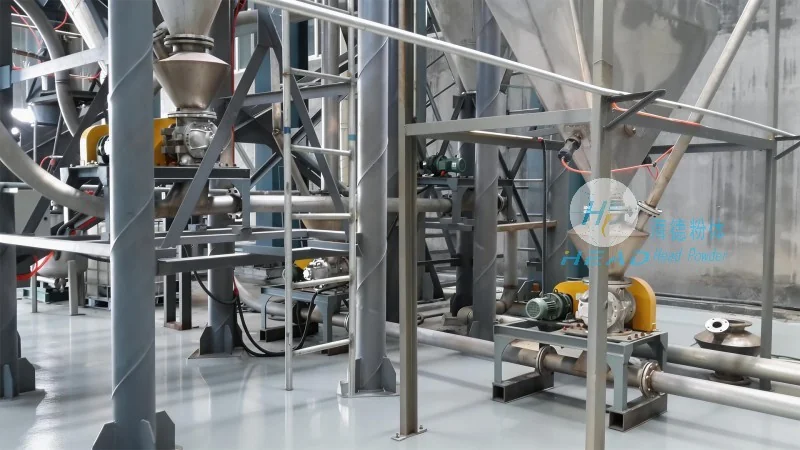
- Feeder: The feeder is responsible for feeding PVC material into the conveying system at a controlled rate. It ensures a consistent flow of material, preventing blockages and maintaining system stability.
- Pneumatic Conveying Unit: This is the core component that uses compressed air to transport PVC particles through the pipeline. It can be either a positive pressure system (where air pushes the material) or a negative pressure system (where air pulls the material).
- Pipeline Network: The pipeline network forms the path for the PVC material and air mixture. It is typically made of stainless steel or other corrosion-resistant materials to withstand the chemical properties of PVC and ensure durability.
- Separation and Collection System: This component separates the PVC material from the air and collects it in a designated container. It may include cyclones, filters, or other separation devices to ensure clean material collection.
- Compressed Air System: The compressed air system provides the necessary air pressure to drive the conveying process. It includes an air compressor, air dryer, and filtration system to maintain air quality and prevent moisture or contaminants from affecting the PVC material.
The Operation Process of PVC Material Pneumatic Conveying
The operation process of a PVC material pneumatic conveying machine involves several sequential steps that ensure smooth and efficient material transport. Here is a detailed breakdown of the process:
- Material Loading: The PVC material is loaded into the feeder from a storage hopper or container. The feeder then meters the material at a controlled rate, ensuring a consistent flow into the conveying system.
- Air Injection: Compressed air is introduced into the pipeline at the feeder end. The air pressure creates a flow that lifts and transports the PVC particles along the pipeline. The air velocity is carefully controlled to prevent material degradation or blockages.
- Pipeline Transport: The PVC material and air mixture travels through the pipeline network to the destination point. The pipeline may include bends, elbows, or other components that guide the material flow, with the air pressure maintaining the material's movement.
- Material Separation: At the receiving end, the separation and collection system is activated. The air is separated from the PVC material, typically using cyclonic separation or filtration. The separated PVC material is then collected in a container or storage tank.
- Air Exhaust: The exhaust air, now free of material particles, is released from the system. It may pass through a filter to remove any residual PVC particles before being discharged to the atmosphere.
Working Principle of PVC Material Pneumatic Conveying
The working principle of PVC material pneumatic conveying is based on the fundamental principles of fluid dynamics and particle transport. The system operates by creating a pressure differential between the inlet and outlet of the pipeline, which drives the movement of the PVC particles. The key principles include:
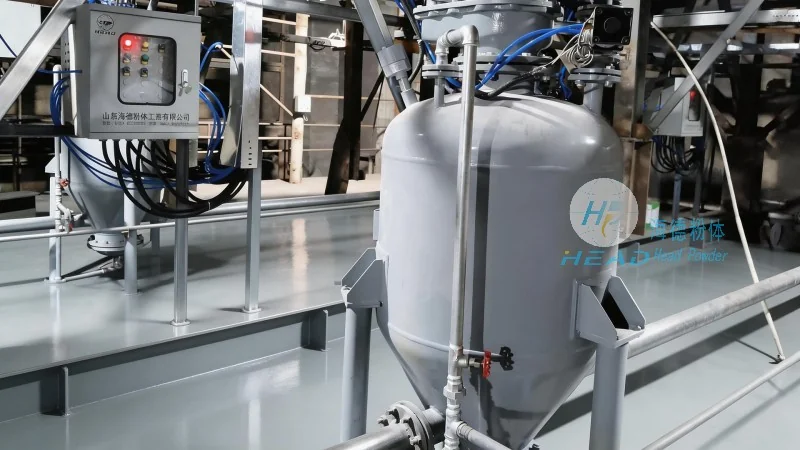
- Fluidization: The compressed air injects into the pipeline, creating a fluidized state where the PVC particles are suspended in the air stream. This fluidization allows the particles to move freely and be transported efficiently.
- Velocity and Pressure: The air velocity and pressure are critical parameters that determine the conveying capacity and efficiency. Proper air velocity ensures that the PVC particles are fully entrained and transported without settling or blockages.
- Particle Size and Density: The size and density of the PVC particles affect the conveying process. Smaller particles require lower air velocities, while larger or denser particles may need higher air pressure or velocity to maintain transport.
- System Design: The design of the pneumatic conveying system, including the pipeline diameter, length, and components, is optimized to match the specific characteristics of the PVC material and the required conveying distance. Proper system design ensures minimal pressure drop and energy consumption.
Advantages of Using PVC Material Pneumatic Conveying Machines
Pneumatic conveying systems for PVC materials offer several advantages over traditional methods like belt conveyors or bucket elevators. These advantages include:
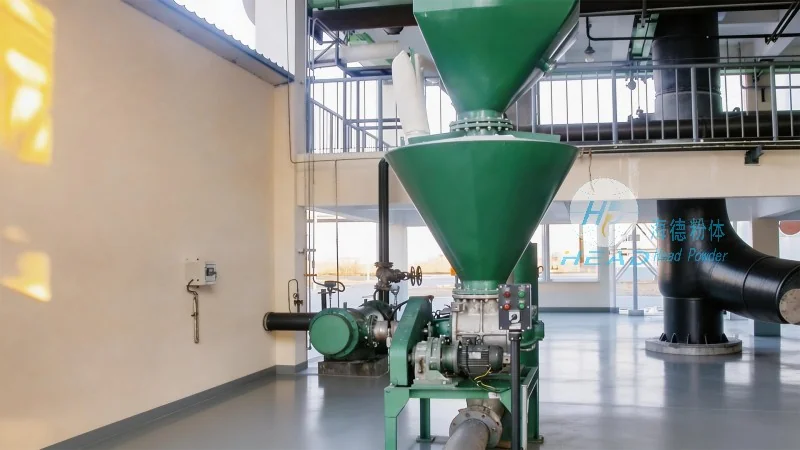
- Non-Contact Transport: The PVC material is transported without direct contact with the conveying equipment, reducing the risk of contamination and material degradation.
- Versatility: These systems can handle a wide range of PVC particle sizes, shapes, and moisture levels, making them suitable for various industrial applications.
- Space Efficiency: Pneumatic conveying systems require less floor space compared to traditional conveyors, as the pipeline can be installed in vertical or horizontal configurations.
- Reduced Maintenance: With fewer moving parts, pneumatic conveying systems have lower maintenance requirements and longer service life.
- Energy Efficiency: Modern pneumatic conveying systems are designed to be energy-efficient, with optimized air pressure and velocity to minimize energy consumption.
Applications of PVC Material Pneumatic Conveying Machines
PVC material pneumatic conveying machines are widely used in various industries where PVC materials need to be transported efficiently and safely. Some common applications include:
- Construction Materials: Transporting PVC granules or powders for use in plastic products, such as pipes, fittings, and sheets.
- Automotive Industry: Conveying PVC components for automotive parts, including interior and exterior trim, and plastic parts.
- Packaging Industry: Moving PVC resins or compounds for packaging applications, such as plastic bags, films, and containers.
- Electrical and Electronics: Transporting PVC materials used in electrical insulation and wiring products.
- Industrial Manufacturing: General material handling in manufacturing plants where PVC materials are processed and used in various products.
Conclusion
PVC material pneumatic conveying machines are essential equipment in modern industrial applications, providing efficient, safe, and reliable transport of PVC materials. The operation process involves a series of steps, from material loading to separation and collection, all driven by the principles of fluid dynamics and air pressure. With proper system design and maintenance, these machines can significantly enhance production efficiency and product quality in various industries. HeadPowder, with its expertise in pneumatic conveying systems, offers high-quality PVC material pneumatic conveying machines tailored to meet the specific needs of different industrial applications.