

Operation Process and Working Principle of Pneumatic Conveying Equipment for Fine Materials
For industries dealing with fine materials, efficient and reliable material handling is crucial. Pneumatic conveying equipment, particularly designed for small and fine materials, offers a solution that combines performance with flexibility. This article delves into the operation process and working principle of such equipment, highlighting how it transforms material handling from a cumbersome task to a streamlined operation.
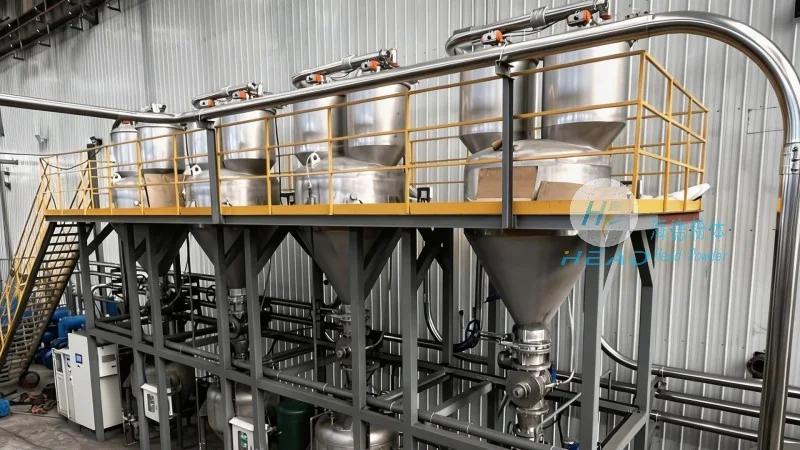
Company Overview: Shandong HeadPowder Engineering Co., Ltd.
At the heart of high-quality pneumatic conveying solutions is Shandong HeadPowder Engineering Co., Ltd., commonly known as headpowder. With a strong presence in China, particularly in Shandong province, the company specializes in engineering and manufacturing advanced material handling systems. Their expertise lies in designing equipment that meets the specific needs of various industries, ensuring durability, efficiency, and compliance with industry standards. The company’s commitment to innovation and customer satisfaction has established it as a trusted name in the field of pneumatic conveying technology.
Working Principle of Pneumatic Conveying Systems
The core of pneumatic conveying equipment lies in its ability to transport materials using air or gas as the conveying medium. The process typically involves a series of components that work in tandem to move fine materials from a source to a destination. The fundamental principle is based on creating a pressure differential or using vacuum to draw or push the material through a pipeline. There are two main types of pneumatic conveying: pressure and vacuum systems, each with distinct applications and operational characteristics.
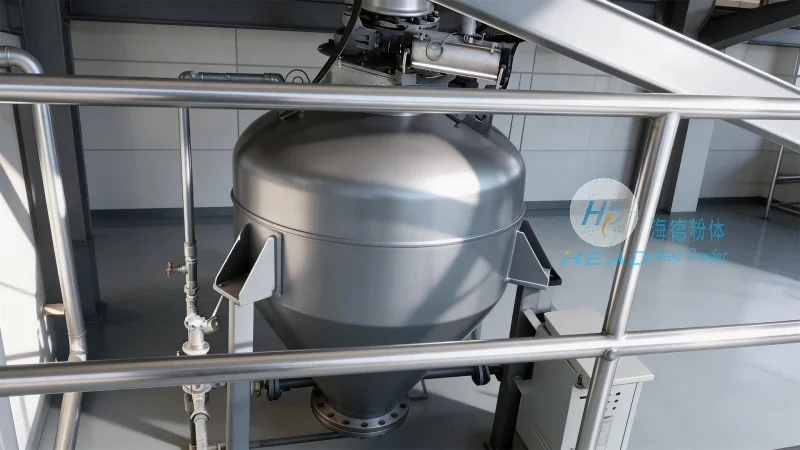
Operation Process of Pneumatic Conveying Equipment
The operation of a pneumatic conveying system for fine materials involves several key steps. First, the material is fed into the system, often from a hopper or a storage bin. The material is then introduced into the conveying line, where it is mixed with the conveying air. The air, under pressure or vacuum, propels the material through the pipeline. The system includes components such as feeders, air movers (blowers or vacuum pumps), and control valves that regulate the flow of both material and air. The material is transported to the discharge point, where it is collected in a receiving hopper or container. Throughout the process, the system maintains consistent air pressure and flow rates to ensure smooth and efficient material transfer.
Key Components and Their Roles
Several critical components are integral to the effective operation of pneumatic conveying equipment. The feeder is responsible for delivering the material to the conveying line at a controlled rate, preventing blockages and ensuring a steady flow. The air mover, whether a positive displacement blower or a vacuum pump, provides the necessary pressure or vacuum to move the material. Control valves, such as check valves and flow control valves, regulate the air and material flow, preventing backflow and maintaining system stability. Additionally, filters and cyclones are used to separate the material from the air, ensuring that the conveying medium is clean and the material is free from contamination.
Advantages of Pneumatic Conveying for Fine Materials
Employing pneumatic conveying for fine materials offers numerous advantages over traditional methods like belt conveyors or bucket elevators. One of the primary benefits is the ability to handle materials that are difficult to transport due to their fine particle size or tendency to create dust. The enclosed system prevents dust emissions, enhancing workplace safety and environmental compliance. Additionally, pneumatic conveying systems are flexible, allowing for changes in material flow direction and destination without major modifications. They also offer high efficiency in terms of material transfer speed and minimal material degradation, as the material is not subjected to excessive friction or impact.
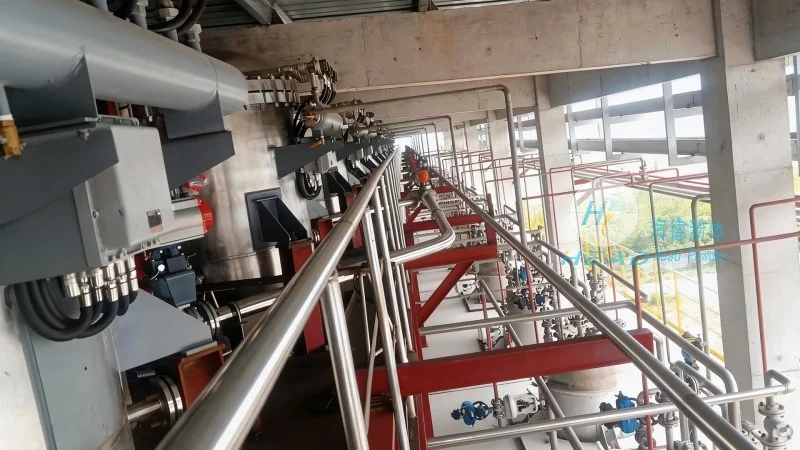
Applications and Industries
Pneumatic conveying equipment for fine materials is widely used across various industries. In the pharmaceutical industry, it is used to transport powders and granules with high purity requirements, ensuring that the material remains uncontaminated. In the food and beverage sector, it handles ingredients like flour, sugar, and spices, maintaining product quality and safety. The chemical industry utilizes these systems for transporting powders and granules, especially those that are hazardous or reactive. Additionally, in the mining and mineral processing industry, pneumatic conveying is used to transport raw materials and finished products, improving operational efficiency and reducing labor costs.
Maintenance and Operational Considerations
To ensure the longevity and optimal performance of pneumatic conveying equipment, regular maintenance is essential. This includes cleaning filters and cyclones to prevent clogging, checking the air mover for proper operation, and inspecting the conveying line for any signs of wear or damage. Proper maintenance not only extends the equipment's lifespan but also ensures consistent material transfer efficiency. Operational considerations also include monitoring air pressure and flow rates, as fluctuations can affect the system's performance. By adhering to recommended maintenance schedules and operational guidelines, users can maximize the benefits of pneumatic conveying systems.