

Operation Process and Working Principle of Quicklime Material Pneumatic Conveying Machine
Shandong HeadPowder Engineering Co., Ltd., headquartered in Shandong, China, specializes in the design, manufacturing, and supply of advanced pneumatic conveying systems tailored for handling bulk materials such as quicklime. Our company, often referred to as HeadPowder, has established itself as a leading provider in the field of material handling solutions, focusing on efficiency, reliability, and durability in industrial applications. The quicklime material pneumatic conveying machine is a key product in our portfolio, engineered to meet the demanding requirements of industries that rely on the safe and efficient transport of quicklime and similar powders.
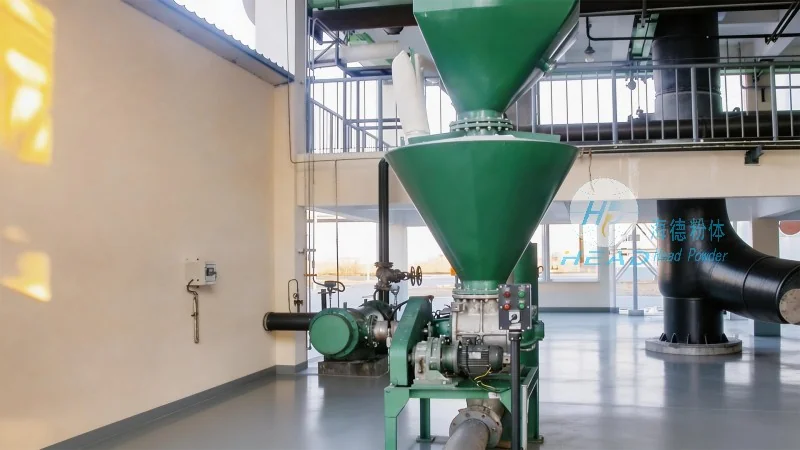
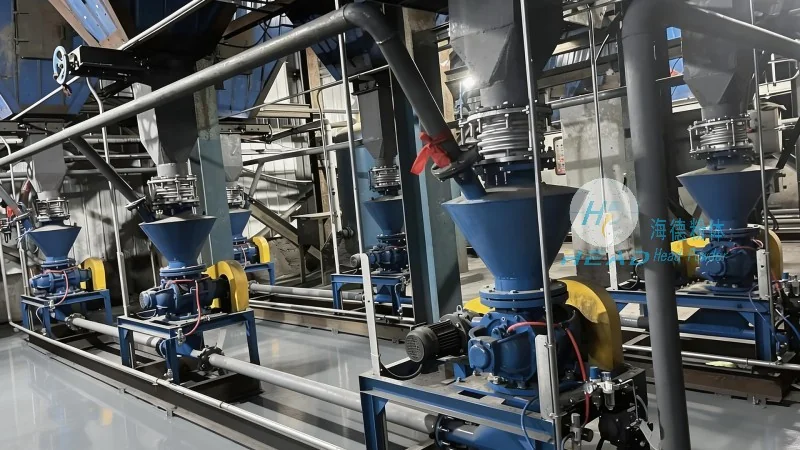
Product Overview: Quicklime Material Pneumatic Conveying Machine
The quicklime material pneumatic conveying machine is a sophisticated system designed to transport quicklime (calcined lime) and other fine powders over long distances with minimal loss and maximum efficiency. This equipment is ideal for applications in cement production, chemical processing, and other industries where quicklime needs to be moved from storage to processing units or between different stages of production. The system typically consists of a feeding unit, a conveying pipeline, a separation and collection system, and a control panel, all working in tandem to ensure smooth and continuous operation. The machine is engineered to handle varying particle sizes and moisture content, making it versatile for diverse industrial needs. Key features include high conveying capacity, low maintenance requirements, and the ability to operate under both positive and negative pressure conditions, providing flexibility in system design.
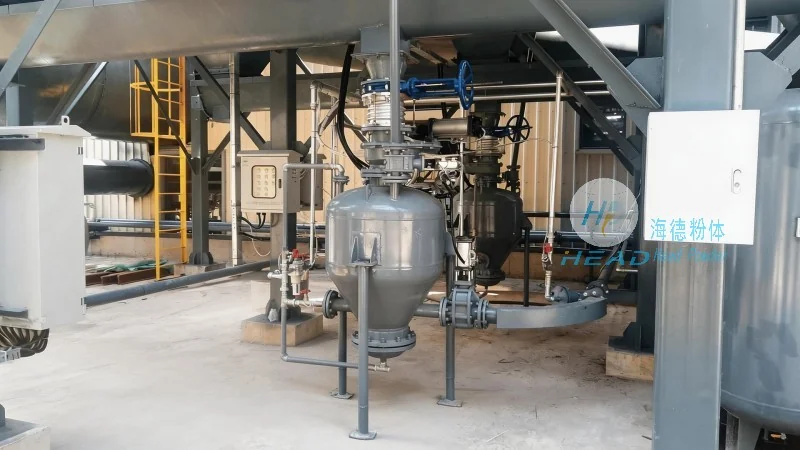
Operation Process of the Quicklime Material Pneumatic Conveying Machine
The operation of the quicklime material pneumatic conveying machine follows a systematic process that ensures optimal performance and material handling. The process begins with the feeding of quicklime into the system. The material is introduced into the feeding hopper, where it is then transferred to the airlock or rotary valve, which acts as a controlled feed mechanism to regulate the flow of material into the conveying line. Simultaneously, a compressed air source is activated, generating the necessary air flow to move the material through the pipeline. The air and material mixture travels through the pipeline at a controlled velocity, ensuring that the quicklime particles are suspended and transported efficiently. At the receiving end, the material is separated from the air using a cyclone separator or other air separation equipment. The separated quicklime is collected in a storage bin or directly fed into the next processing stage, while the air is filtered and discharged to the atmosphere. The entire process is monitored and controlled by a sophisticated control system that adjusts air pressure, flow rate, and feed rate to maintain consistent performance and prevent system overload or blockages. This automated control ensures that the machine operates continuously without manual intervention, enhancing productivity and reducing labor costs.
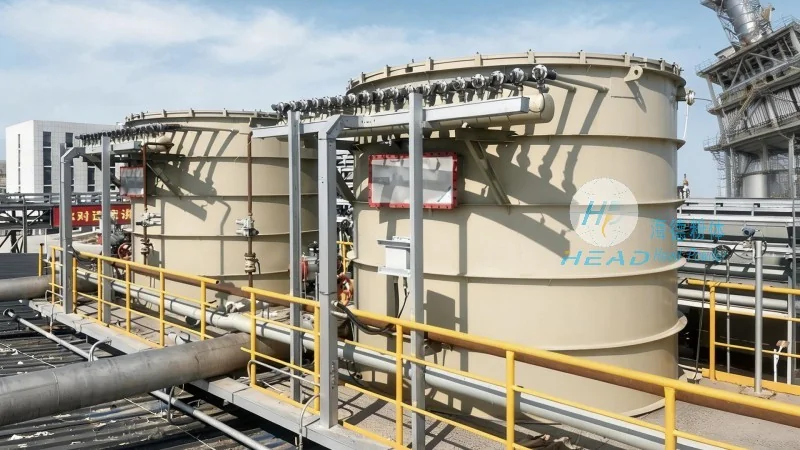
Working Principle of the Quicklime Material Pneumatic Conveying Machine
The working principle of the quicklime material pneumatic conveying machine is based on the fundamental concept of pneumatic transport, where materials are conveyed using a carrier gas, typically air. The system operates by creating a pressure differential between the feeding and receiving ends of the pipeline. In positive pressure systems, compressed air is forced through the pipeline, carrying the quicklime particles forward. In negative pressure (or suction) systems, a vacuum is created at the receiving end, drawing the material and air mixture through the pipeline. The choice between positive and negative pressure depends on the specific application, material characteristics, and system layout. The core components of the machine, including the feeding device, conveying pipeline, and separation equipment, work together to achieve this transport. The feeding device ensures a uniform and controlled flow of quicklime into the system, preventing blockages and maintaining consistent air-to-material ratios. The conveying pipeline is designed with appropriate diameter and length to accommodate the required conveying distance and material flow rate. The separation system, such as a cyclone or bag filter, effectively separates the quicklime from the air, allowing for the recovery of the material and the safe disposal of the exhaust air. The control system plays a crucial role in maintaining the balance between air flow and material flow, ensuring that the machine operates efficiently and safely. By leveraging the principles of fluid dynamics and material handling, the quicklime material pneumatic conveying machine provides a reliable and efficient solution for transporting quicklime and other fine powders in industrial settings.