

Clay Sand Material Pneumatic Conveying Machine: Operation Process and Working Principle
The pneumatic conveying machine for clay sand material is an advanced equipment designed to transport clay sand efficiently through an air-based system. This equipment is widely used in various industrial applications where the reliable and dust-free transportation of clay sand is crucial. The operation process involves several key steps that ensure smooth and continuous material handling, making it an essential tool for industries such as foundries, ceramics, and construction.
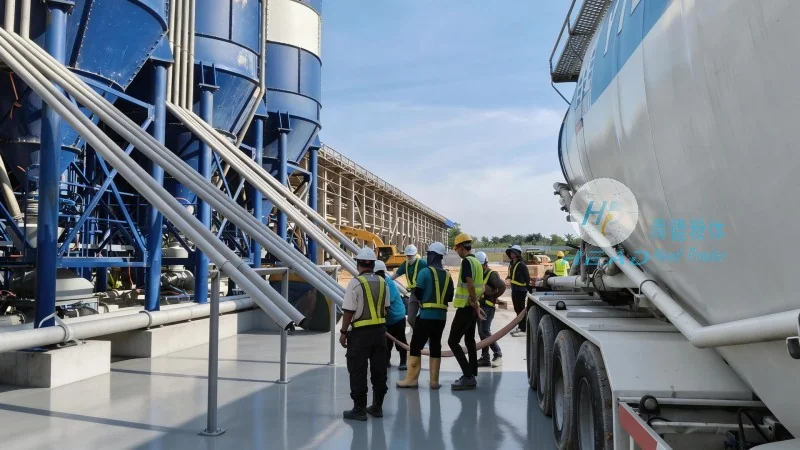
Working Principle of the Pneumatic Conveying Machine
The working principle of the clay sand pneumatic conveying machine is based on the fundamental principle of air flow and pressure differential. The machine utilizes a blower or compressor to generate high-pressure air, which then draws the clay sand particles into the conveying pipeline. The material is suspended in the air stream and transported to the destination point. The system typically comprises a hopper for material storage, a feeder to control the flow rate, a conveying line, and a receiver for the discharged material. The air flow is regulated to maintain the optimal velocity for the material particles, preventing blockages and ensuring efficient transport. This mechanism allows for the seamless movement of clay sand without the need for mechanical components like belts or buckets, reducing wear and tear and lowering maintenance costs.
Key Components and Their Functions
Several critical components are integral to the proper functioning of the clay sand pneumatic conveying machine. The hopper serves as the primary storage container for the clay sand, allowing for a steady supply of material. The feeder, often a rotary valve or screw feeder, precisely controls the amount of material released into the conveying line, ensuring a consistent flow rate. The blower or compressor is the heart of the system, providing the necessary air pressure and volume to move the material. The conveying line, usually constructed from stainless steel or other corrosion-resistant materials, transports the air and material mixture. The receiver, where the material is deposited, is designed to handle the discharged material without causing dust or spillage. Each component works in harmony to ensure the efficient and reliable operation of the entire system.
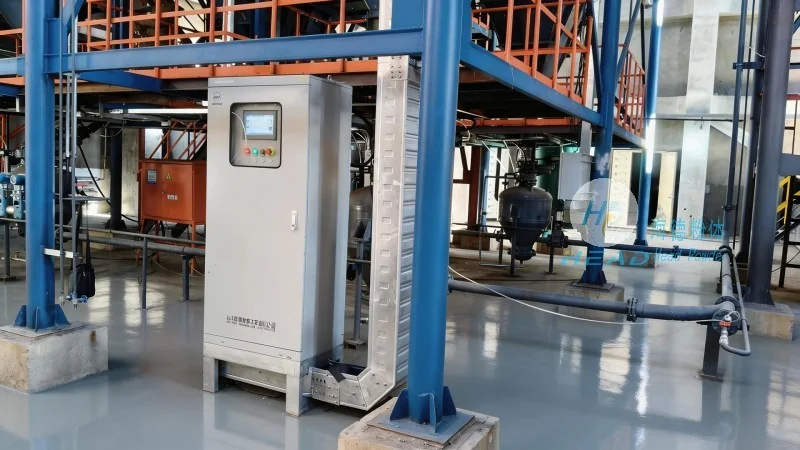
Operation Process Step-by-Step
The operation process of the clay sand pneumatic conveying machine can be broken down into the following sequential steps: First, the clay sand is loaded into the hopper. The feeder then regulates the flow of material into the conveying line, ensuring a controlled release. The blower starts and generates high-pressure air, which draws the material particles into the pipeline. The air and material mixture travels through the conveying line to the receiver. At the receiver, the material is separated from the air, typically through a cyclone or filter system, and collected in the discharge bin. The air is then filtered and either returned to the blower or released into the atmosphere, depending on the system design. This step-by-step process ensures that the material is transported efficiently and without interruption.
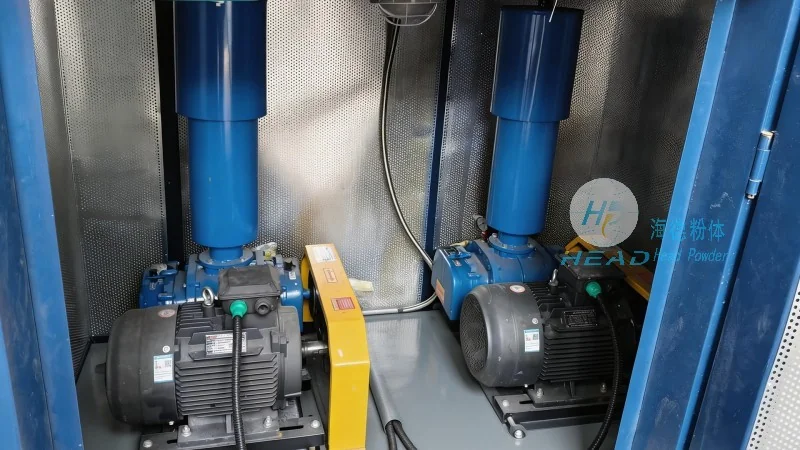
Advantages of Using Pneumatic Conveying for Clay Sand
There are several significant advantages to using a pneumatic conveying machine for clay sand material. One of the primary benefits is the elimination of mechanical components like belts or buckets, which are prone to wear and tear, thereby reducing maintenance costs and extending equipment life. The system is also dust-free, significantly improving workplace safety and reducing the risk of respiratory issues for operators. Additionally, the equipment allows for the transportation of materials over long distances with minimal loss, and it can handle a wide range of particle sizes and moisture contents. The flexibility of the system enables easy integration into existing production lines, and it can be adjusted to accommodate varying material volumes and flow rates. These advantages make the pneumatic conveying machine a preferred choice for many industrial applications.
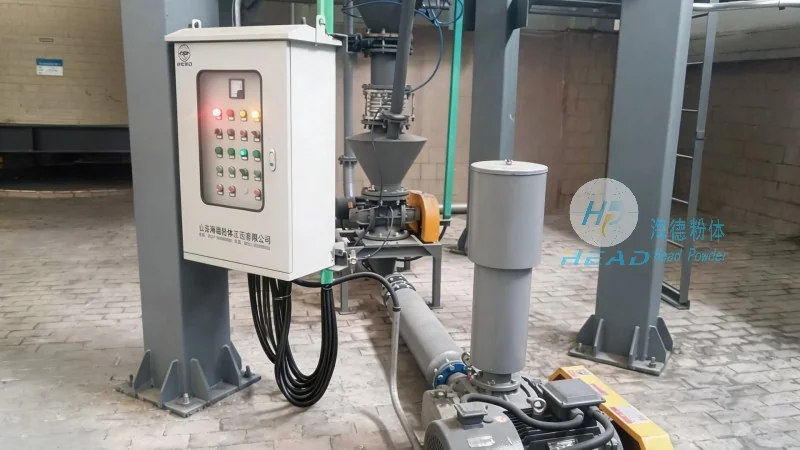
Application Scenarios
The clay sand pneumatic conveying machine is suitable for a variety of applications across different industries. In foundries, it is commonly used to transport clay sand for molding processes, ensuring a consistent supply of material for casting operations. In the ceramics industry, the machine is utilized to move clay sand for the production of tiles, bricks, and other ceramic products, where precise material handling is essential. In construction, it can be employed to transport clay sand for concrete mixing or as a raw material in other building materials, enhancing efficiency and reducing manual labor. The equipment is also used in environmental applications, such as the transport of clay sand for soil remediation or waste management, where reliable material handling is critical.
Maintenance and Operational Tips
To ensure the efficient and long-lasting operation of the clay sand pneumatic conveying machine, regular maintenance is essential. The blower and compressor should be inspected regularly for wear and tear, and the air filter should be cleaned or replaced as needed to prevent clogging. The conveying line should be checked for any signs of corrosion or damage, and the feeder should be adjusted to maintain a consistent flow rate. The hopper and receiver should be kept clean to prevent material buildup and blockages. It is also important to monitor the air pressure and flow rate to ensure optimal performance. By following these maintenance tips, the equipment can operate efficiently and provide reliable service for many years. Proper operational practices, such as regular checks and adjustments, contribute to the overall performance and longevity of the machine.