

Operation Process and Working Principle of Pneumatic Conveying Equipment for Grain and Bulk Particle
HeadPowder, a leading manufacturer based in Shandong, China, specializes in the design, production, and supply of advanced pneumatic conveying systems tailored for handling grain and other bulk particle materials. This article provides a detailed overview of the operation process and working principles of such equipment, highlighting the key components, functional mechanisms, and practical applications that define modern pneumatic conveying technology.
Key Components of Pneumatic Conveying Systems
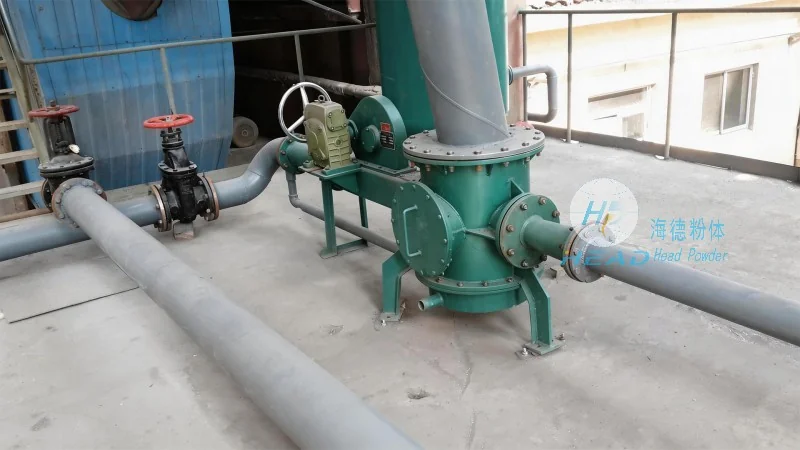
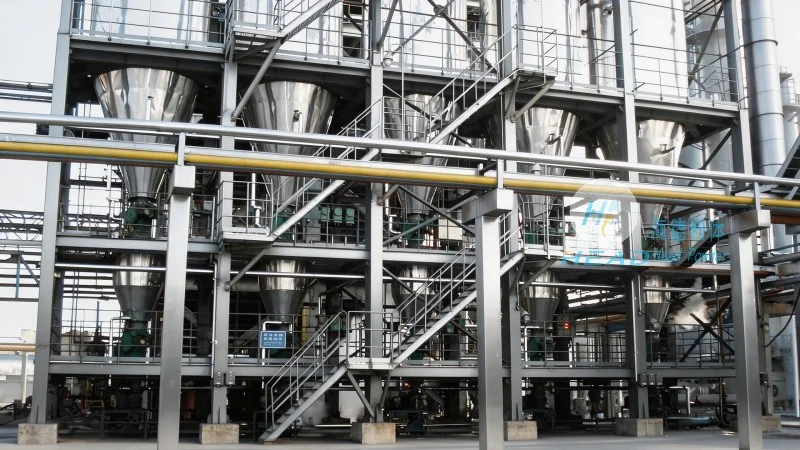
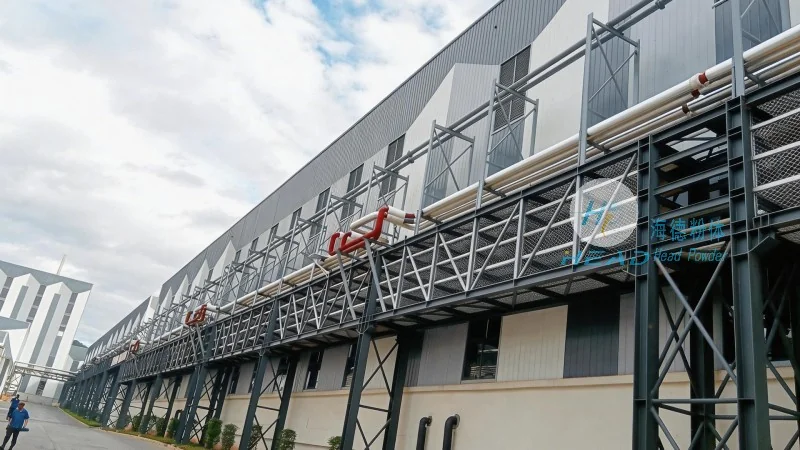
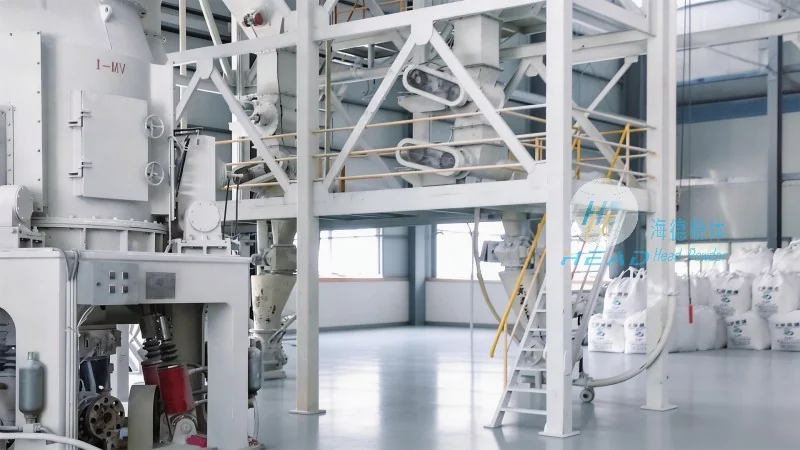
The pneumatic conveying equipment for grain and bulk particle materials typically consists of several core components that work in concert to achieve efficient material transport. These include the hopper or feed hopper, which serves as the initial storage and feeding unit where the bulk material is loaded. The feed hopper is equipped with a feeder, often a rotary valve or a screw feeder, that regulates the flow of material into the system. This feeder ensures a consistent and controlled discharge of the grain or particle material, preventing blockages and maintaining smooth operation. The conveying pipeline, usually made of stainless steel or other corrosion-resistant materials, forms the main transport channel. It is designed to withstand the pressure and flow conditions of the conveying process. The air supply system, comprising a blower or a vacuum pump, generates the necessary airflow to move the material through the pipeline. This system can operate under positive pressure or negative pressure, depending on the specific application requirements. Additionally, the system may include a filter or separator to remove dust and fine particles from the exhaust air, ensuring compliance with environmental regulations and maintaining air quality. Finally, the discharge unit, such as a rotary valve or a receiving hopper, collects the material at the end of the conveying line, completing the material transfer process.