

Introduction to Dry Desulfurization Equipment and Structural Principles
Shandong HeadPowder Engineering Co., Ltd., commonly known as HeadPowder, is a professional manufacturer and supplier specializing in dry desulfurization equipment. The company is headquartered in Shandong, China, and has established a strong presence in the environmental protection industry with its advanced technology and reliable products. This article provides an overview of the dry desulfurization equipment offered by HeadPowder, focusing on its structural design and operational principles.
Overview of Dry Desulfurization Equipment
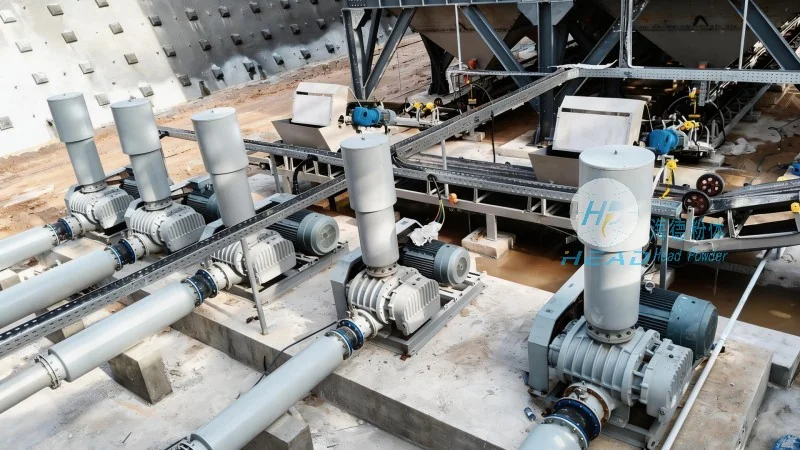
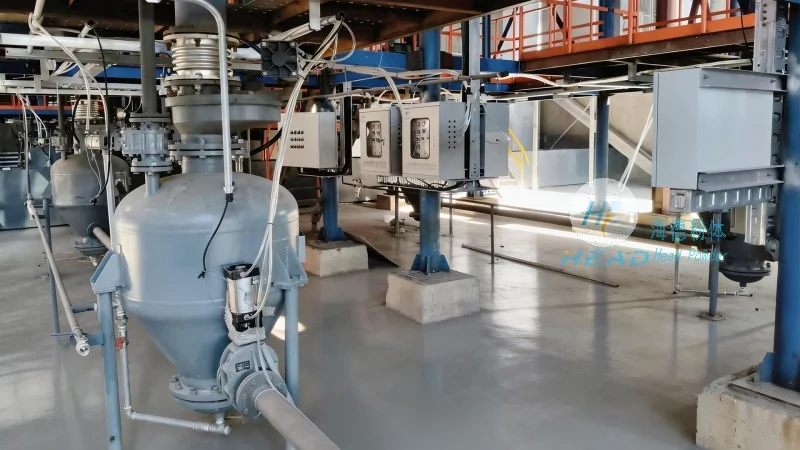
Dry desulfurization equipment is a critical component in modern industrial processes, particularly in power generation and industrial heating applications. Its primary function is to remove sulfur dioxide (SO₂) from flue gas, thereby reducing air pollution and meeting stringent environmental regulations. The equipment operates by utilizing dry sorbents, such as limestone or other alkaline materials, to chemically react with SO₂ and convert it into solid byproducts like calcium sulfite or calcium sulfate. This process is highly efficient and suitable for a wide range of applications, including coal-fired power plants, cement factories, and other industrial facilities.
Structural Principles of Dry Desulfurization Equipment
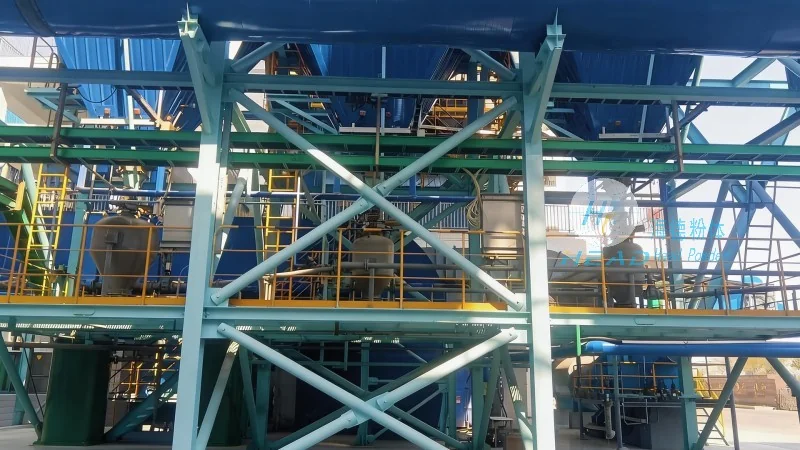
The dry desulfurization equipment from HeadPowder is engineered with a robust and modular design to ensure optimal performance and ease of maintenance. The core components include a gas inlet and outlet system, a sorbent feeding mechanism, a reaction chamber, and a product discharge system. The gas inlet is designed to introduce the flue gas into the system at an appropriate temperature and flow rate. The sorbent feeding system ensures a consistent and controlled supply of the dry sorbent material, which is then mixed with the flue gas in the reaction chamber. Inside the chamber, the chemical reaction between the sorbent and SO₂ occurs, leading to the formation of solid desulfurization products. The reaction chamber is typically equipped with internal components, such as baffles or catalysts, to enhance the contact between the gas and sorbent, improving the overall desulfurization efficiency. The product discharge system collects the solid byproducts and transports them out of the system for further processing or disposal.
Technical Advantages and Applications
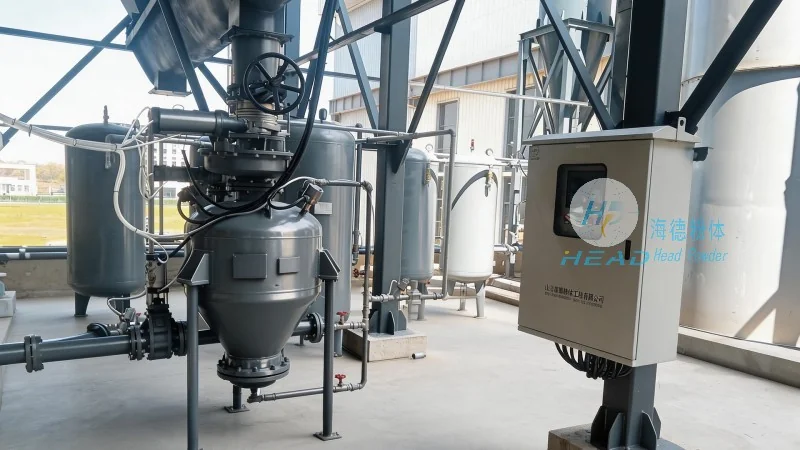
HeadPowder's dry desulfurization equipment offers several technical advantages that make it a preferred choice for industrial applications. The equipment operates at relatively low temperatures, reducing energy consumption and maintenance costs compared to wet desulfurization systems. The modular design allows for easy installation and integration into existing facilities, minimizing downtime during the setup process. Additionally, the dry process produces less waste and requires less water, making it more environmentally friendly and cost-effective in the long run. The equipment is widely used in various industries, including power generation, where it helps to meet the increasingly strict emissions standards. In cement factories, it contributes to reducing the sulfur content in the flue gas, improving the quality of the final product. Overall, the dry desulfurization equipment from HeadPowder provides an effective and sustainable solution for air pollution control.